Viral Reaction to 'GLP-1-Friendly' Frozen Pizza Sparks Nutrition Debate
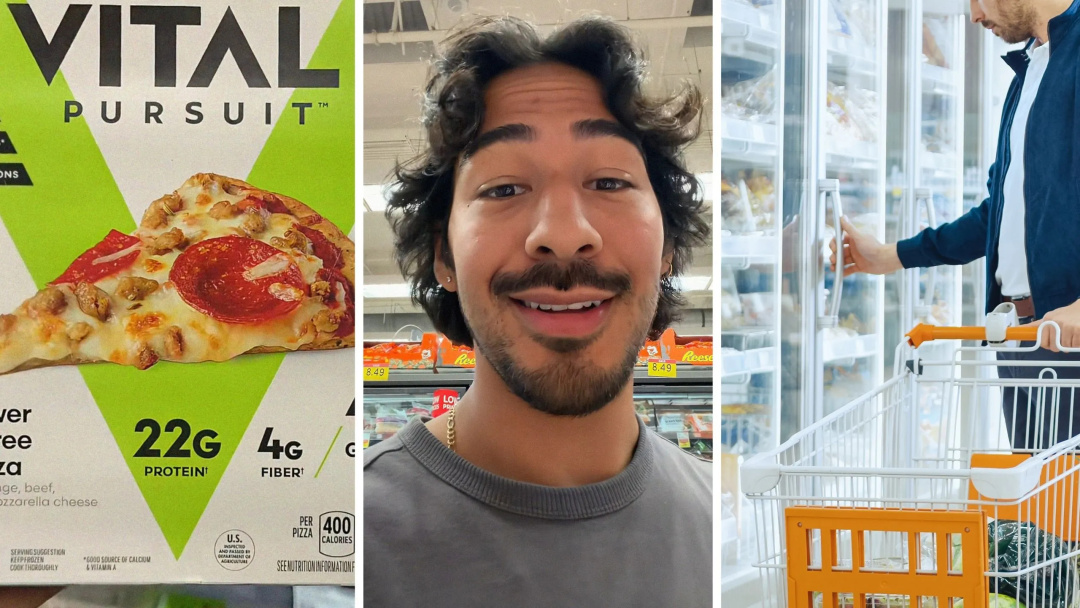
In a recent viral video, a California grocery shopper, Ricky Bribiescas, expressed surprise upon discovering a single-serve pizza labeled 'GLP-1-friendly' in the frozen food section. This incident, shared on August 11, quickly garnered over 524,000 views, highlighting the growing interest and confusion surrounding food products marketed in relation to GLP-1 medications.
The pizza in question is produced by Nestlé under its Vital Pursuit line, which is specifically designed to cater to the nutritional needs of individuals taking GLP-1 medications like Ozempic and Wegovy. These drugs are known to significantly reduce appetite, leading users to seek out foods that are nutrient-dense yet portion-controlled. Medical experts suggest that while using these medications, it is crucial to prioritize foods high in protein, fiber, vitamins, and minerals to meet nutritional needs without consuming large quantities.
However, the term 'GLP-1-friendly' has raised eyebrows among consumers. Many viewers of Bribiescas's video questioned what this label truly signifies. It is important to clarify that 'GLP-1-friendly' does not imply that the pizza contains GLP-1 medication or that it will replicate the effects of these drugs. Instead, it serves as a marketing term aimed at highlighting products that are lower in calories and higher in protein and fiber, aligning with the dietary adjustments often needed by those on GLP-1 therapies.
Nestlé describes its Vital Pursuit products as portion-aligned and rich in essential nutrients. This trend is not isolated to Nestlé; other companies, such as Conagra, have also adopted similar labeling for their products, with Conagra introducing a 'GLP-1 Friendly' designation for 26 Healthy Choice frozen meals in 2025. The rise of GLP-1 medications has opened a new market for food manufacturers, as consumers on these drugs tend to prefer smaller, nutrient-rich meals. Interestingly, a significant portion of Vital Pursuit sales—77%—comes from households that do not use GLP-1 medications, indicating a broader appeal for these products.
Despite the growing popularity of the term, it is crucial to note that neither the FDA nor the USDA has established a universal definition for 'GLP-1 friendly.' Although the USDA has approved certain products with this label when accompanied by specific nutritional claims, it has reiterated that there is no regulatory standard governing the use of the term. As such, consumers should approach these labels with caution and not assume that they guarantee a product's health benefits.