Study Links Nicotine Metabolism Rate to Myocardial Infarction Risk in HIV-Positive Smokers
A recent study published in PLOS One investigated the relationship between nicotine metabolism and the risk of myocardial infarction (MI) among people living with HIV (PWH) who smoke cigarettes. The prevalence of cigarette use in this population is notably higher than in the general population, which raises concerns about cardiovascular health risks. The study aimed to determine whether the rate of nicotine metabolism, quantified by the nicotine metabolite ratio (NMR), is associated with MI risk in PWH.
Conducted as a nested case-control study within the Center for AIDS Research Network of Integrated Clinical Systems (CNICS) cohort, the research included 135 cases of PWH who reported cigarette use and experienced an incident adjudicated MI from 2003 to 2020. The control group consisted of 252 matched individuals who also reported cigarette use but did not have MI. The study employed conditional logistic regression to estimate the odds ratios for the association between NMR and MI.
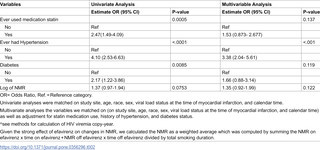
The findings revealed that the median NMR was greater in MI cases (0.51) compared to controls (0.47), suggesting a potential link between faster nicotine metabolism and MI risk. However, the odds of having a high NMR among MI cases compared to controls was 1.4 times greater, but this association did not reach statistical significance (OR: 1.4, 95% CI: 0.97–1.9). Adjustments for factors such as statin use, hypertension, and diabetes did not substantially alter this estimate.
While the study indicates a small-magnitude association between NMR and MI, the lack of statistical significance highlights the need for further research to clarify the relationship. The authors suggest that NMR could serve as a potential biomarker for MI risk among PWH, emphasizing the importance of smoking cessation in this vulnerable population.
The study was approved by the institutional review boards of the University of Pennsylvania and the University of Toronto, ensuring ethical standards were met. Data confidentiality was maintained throughout the research process, and while the dataset cannot be publicly released due to participant confidentiality protections, de-identified data may be accessible to qualified researchers upon request.
This research underscores the complex interplay between smoking, HIV, and cardiovascular health, and the need for ongoing investigation into effective interventions for reducing MI risk in PWH who smoke.