California Food Banks Prepare for Increased Demand Amid SNAP Cuts
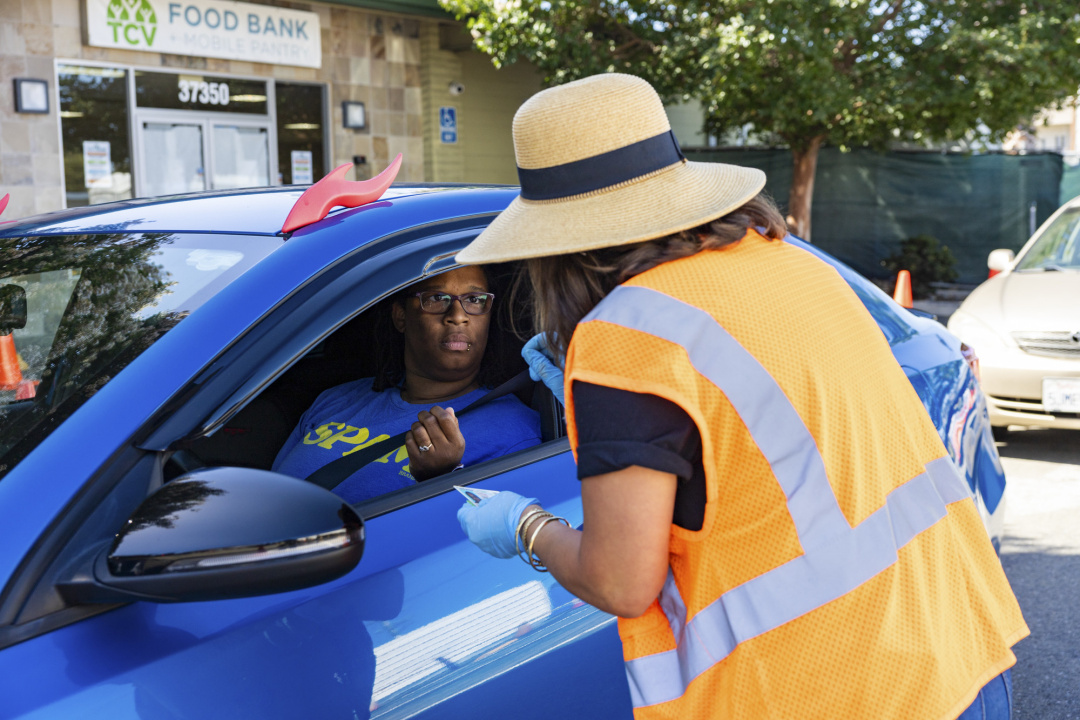
Food banks across California are bracing for a significant increase in demand as federal cuts to the Supplemental Nutrition Assistance Program (SNAP) begin to take effect. These changes, enacted under the Trump administration, are expected to impact over 650,000 individuals in California, where the program is known as CalFresh. Currently, more than five million Californians rely on SNAP, receiving an average of $190 per person each month, which is used to purchase groceries. As these benefits diminish, food banks anticipate a surge in requests for assistance, which could surpass their capacity to provide support.
Tanis Crosby, executive director of the San Francisco-Marin Food Bank, emphasized that the cuts to SNAP will not only increase the number of people seeking help but will also create a more complex situation for food banks, which are already stretched thin. "We cannot food bank our way out of the problem that is being caused by the dismantling of SNAP. We need policies that are going to work to end hunger," Crosby stated.
The cuts, totaling $187 billion over a decade as part of the federal tax bill H.R. 1, have raised concerns among anti-hunger advocates, who argue that they will have devastating effects on those already struggling to make ends meet. Critics of the cuts highlight that the administration's claims of rampant fraud within the SNAP program often conflate administrative errors with intentional fraud, undermining trust in essential safety net services.
Jared Call, director of public policy and advocacy at California Food Banks, pointed out that food is a fundamental necessity for health and success. He noted that the simultaneous attacks on both healthcare and food assistance are not only causing unnecessary suffering but are also short-sighted in terms of investing in the well-being of the population.
Even before these cuts, food banks were experiencing unprecedented demand due to rising costs of living, including food, utilities, and healthcare. A recent survey indicated that by 2025, one in four adults in California could experience food insecurity, a figure that rises to one in three among households with children. This alarming trend underscores the urgency of addressing food access issues in the state.
René Campos, a local resident who has relied on a food bank in East San José, shared his personal struggles after contracting Valley Fever, which left him unable to work for an extended period. He and his wife have found support through food distributions, but they, like many others, are caught in a situation where their income is too high for SNAP benefits yet insufficient to cover their basic needs.
As California's food banks prepare for the anticipated fallout from the SNAP cuts, they are also facing rising operational costs. The situation is particularly dire in the Bay Area, where income inequality has led to increased reliance on food assistance. Shobana Gubbi, chief philanthropy officer of Second Harvest of Silicon Valley, noted that as costs rise, food becomes a flexible item in household budgets, putting additional pressure on low-income families.
The changes to SNAP eligibility and benefits are set to roll out gradually, with many recipients facing new work requirements and limits on the duration of assistance. These adjustments could further complicate access to food assistance for vulnerable populations, including those caring for children or with disabilities.
Despite the challenges, food bank leaders remain committed to serving their communities. They stress the need for ongoing support from state and federal officials to address the cuts and ensure that food assistance remains a viable resource for those in need. The situation is critical, and as the effects of the SNAP cuts unfold, food banks will play a crucial role in mitigating hunger across California.