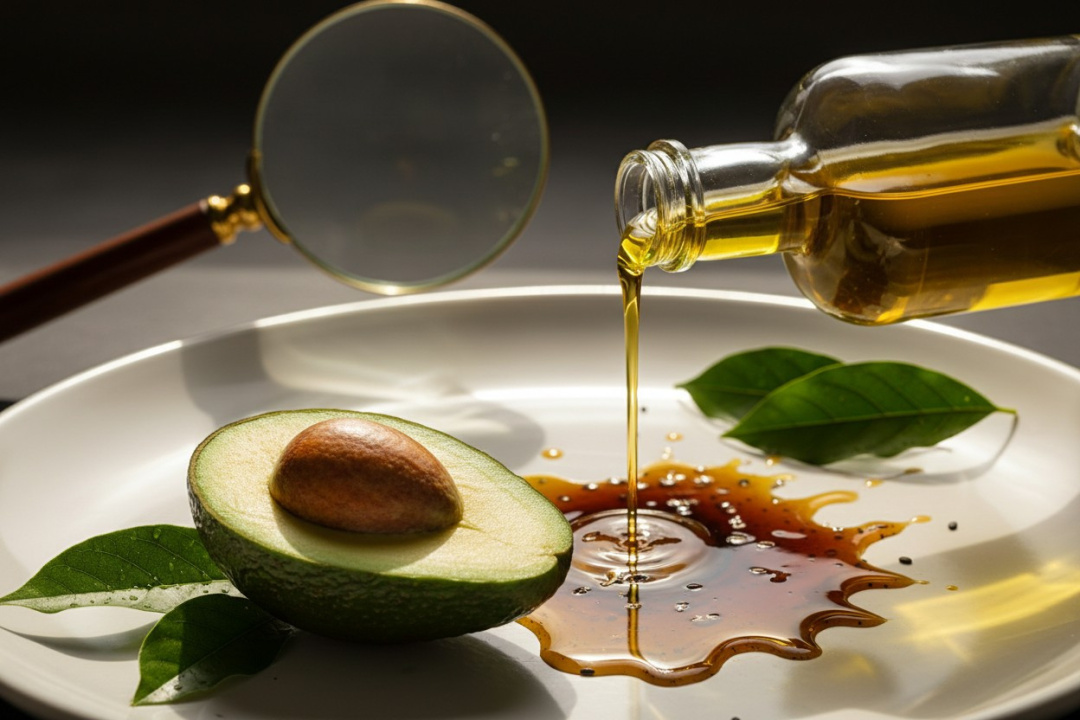
Study Raises Concerns Over Avocado Oil Labeling Transparency
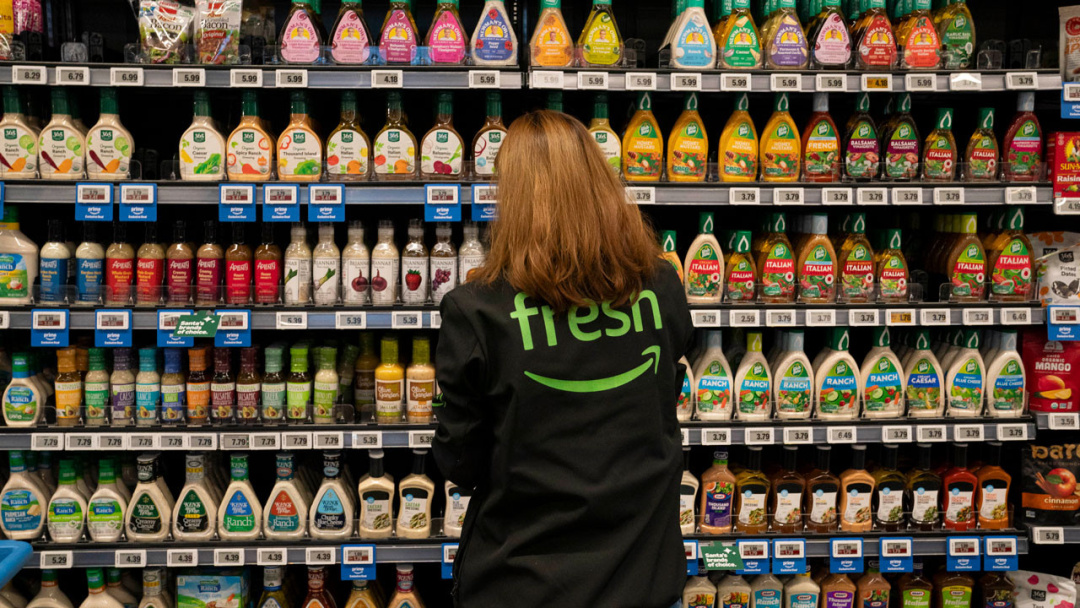
A July 2026 study conducted by Applied Food Research has brought to light serious concerns regarding transparency in food labeling, particularly affecting brands like Primal Kitchen that market themselves as healthier alternatives in the food industry. The study revealed substantial differences between the claims made on labels and the actual composition of oils used in popular products, including Primal Kitchen's Avocado Oil Mayonnaise. Despite being priced significantly higher than conventional brands, these products are favored by consumers aiming to avoid seed oils, which are often viewed as less healthy.
The findings suggest that the term "hint of avocado" may be more accurate than previously thought, as the study indicates that the actual avocado oil content in these products may be misleading. This discrepancy raises alarms about the integrity of food labeling, especially since consumers are increasingly relying on these labels to make informed dietary choices.
Primal Kitchen, founded by Mark Sisson in 2015, aimed to create pantry staples that prioritize real food ingredients. The company was acquired by Kraft Heinz in 2019 for approximately $200 million, and under new management, the integrity of its product labeling has come into question. The study's results indicate that products purchased in recent years do not align with their marketing claims, leading to concerns about potential misrepresentation.
The issue may not solely rest with Primal Kitchen or its parent company, as the study suggests that the problem could stem from the supply chain, particularly among avocado oil suppliers. The complexities involved in processing oils for use in sauces and dressings make it challenging to assess their quality accurately. This raises important questions about the reliability of food labels and the extent to which consumers can trust what they read.
As consumers strive to make healthier choices, the implications of this study are significant. If even brands that promote clean eating cannot be trusted, it may discourage consumers from scrutinizing ingredient lists and nutrition labels altogether. The study underscores the need for greater transparency in food labeling and highlights the importance of focusing on whole, recognizable ingredients in our diets.
While the food industry continues to promote initiatives aimed at improving public health, the findings of this study serve as a reminder that consumers must remain vigilant and informed about the products they choose. The call for transparency is not just about labeling; it is a fundamental aspect of ensuring that consumers can make informed choices in their pursuit of healthier eating habits. Ultimately, the responsibility for maintaining food quality and transparency lies not only with the food industry but also with consumers, who must demand better practices and hold brands accountable for their claims.