Geriatric Emergency Departments: Tailoring Care for Older Patients
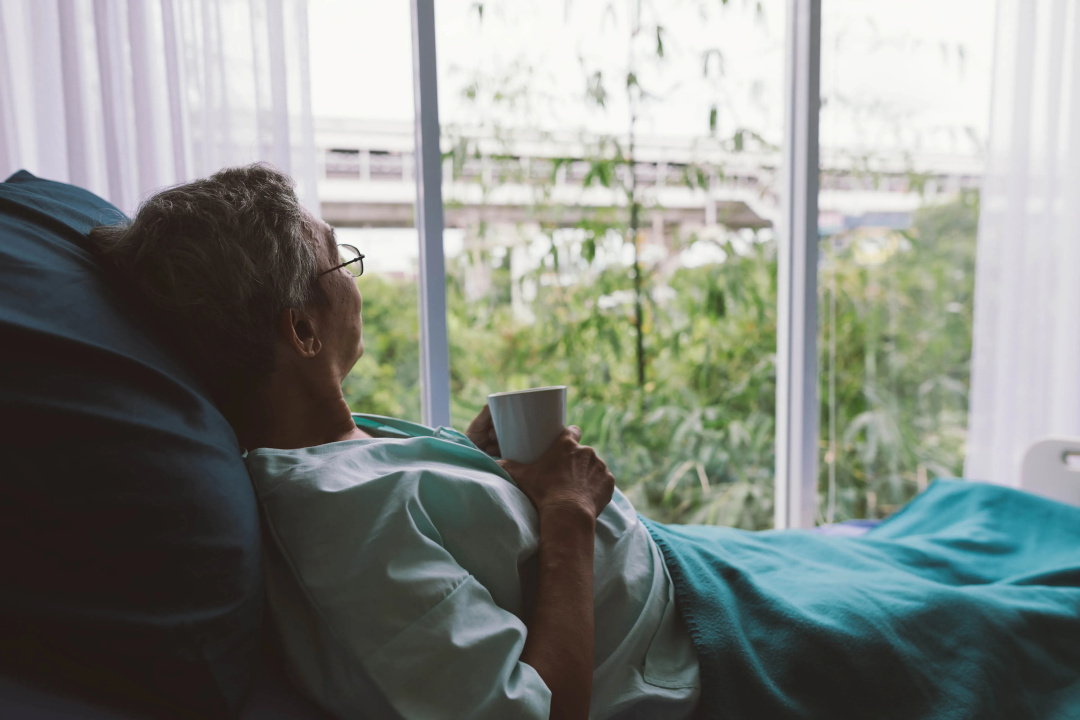
Cynthia Tompkins, a 75-year-old retired teacher, faced a challenging health journey after being hospitalized for osteomyelitis and subsequently spending weeks in rehabilitation. Upon returning home, she experienced severe vomiting, prompting a visit to the emergency department at UC San Diego Health. However, her experience was markedly different from typical emergency care due to the department's accreditation as a geriatric emergency department (GED). Since 2022, all adult ERs in San Diego have adopted this model, which is designed to address the specific needs of older patients. Studies indicate that this approach can significantly lower hospital admissions and mortality rates among seniors while reducing healthcare costs.
Upon arrival, Tompkins was quickly taken to a room equipped with a thicker mattress to prevent bedsores and provided with immediate intravenous fluids. The environment was intentionally designed to reduce noise and confusion, featuring sound-absorbing walls and a window that allowed patients to gauge the time of day, which helps prevent delirium. Denise Valenzuela, the geriatric emergency nurse, emphasized the importance of these features in maintaining the mental well-being of older patients.
The growth of geriatric emergency departments has been significant, with over 600 accredited units across the U.S., including 73 in Veterans Affairs medical centers. These departments serve patients of all ages but are tailored to incorporate senior-friendly practices, addressing the unique challenges faced by older adults.
Older adults, particularly those aged 75 and above, visit emergency rooms at a higher rate than any other demographic, often presenting with multiple chronic conditions. Traditional emergency care typically focuses on immediate issues, but geriatric emergency teams prioritize a comprehensive assessment of the patient's overall health, including cognitive function and medication review.
Research indicates that patients treated in geriatric emergency departments have a 39% lower likelihood of being admitted to the hospital and a 38% reduction in mortality within 30 days compared to those in standard emergency rooms. This model not only enhances patient care but also leads to significant savings for Medicare, estimated at around $3,000 per visit.
Tompkins' experience in the GED exemplified this model's effectiveness. After receiving appropriate treatment, including anti-nausea medication and hydration, she was able to recover and return home with follow-up resources. She expressed gratitude for the comprehensive care she received, noting that it addressed her physical and emotional needs.
As the healthcare system continues to evolve, the expansion of geriatric emergency departments represents a crucial advancement in providing age-appropriate care that prioritizes the well-being of older patients. The emphasis on tailored treatment and the prevention of unnecessary hospitalizations highlights the importance of adapting healthcare practices to meet the needs of an aging population.