Tribal Health Concerns Rise Amid Uranium Mining Push in Southwest
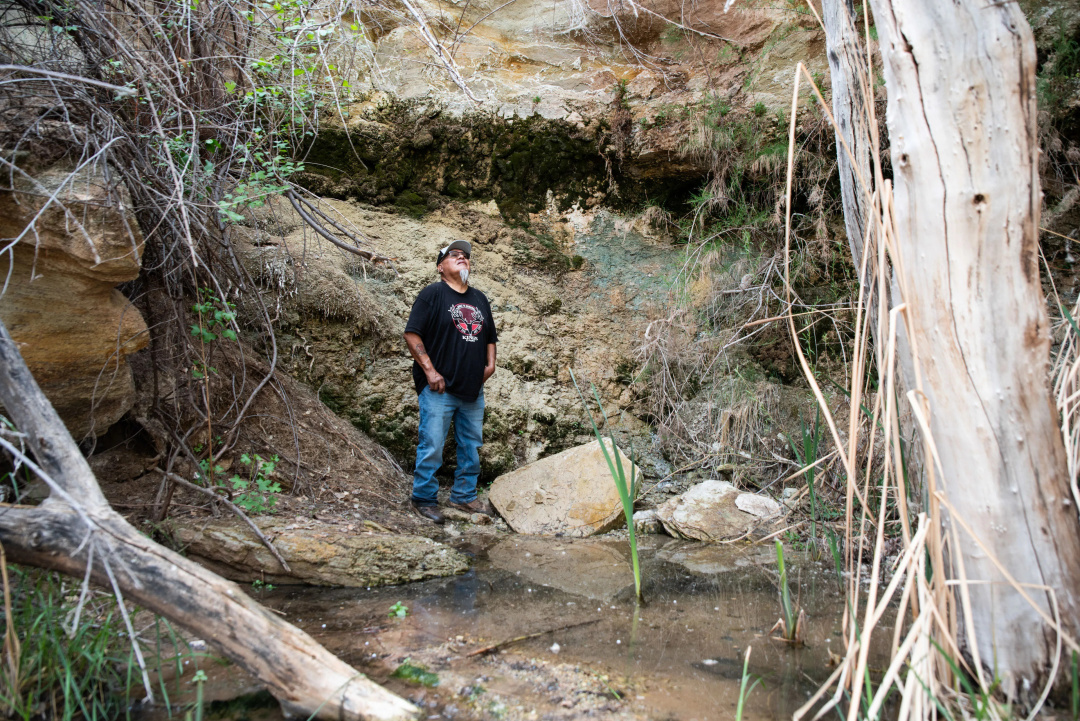
In White Mesa, Utah, Malcolm Lehi navigates the rugged terrain in search of Entrance Spring, a site deeply tied to his heritage as a member of the Ute Mountain Ute Tribe. This spring is located near the White Mesa Mill, the last conventional uranium mill in the United States, which produces yellowcake for nuclear power. For decades, the mill has been a source of contention, with ongoing debates about the potential health risks associated with radioactive contamination of air and water, particularly concerning the nearby Ute community, where approximately 200 members live just five miles away.
Despite assurances from state regulators and the mill's operators that pollution is contained, many tribal members are skeptical. They are acutely aware of uranium's hazardous history in the region and often choose bottled water over local supplies, fearing contamination. The urgency of these concerns has intensified as the U.S. government pushes to revive domestic uranium production, driven by a federal law passed in 2024 that bans Russian uranium imports by 2028. This policy aims to bolster domestic fuel supplies as part of a broader strategy to quadruple nuclear energy capacity by 2050, a goal set by President Donald Trump.
The White Mesa Mill, established in 1980 near Bears Ears National Monument, is at the center of this uranium revival. Increased demand for uranium has led to a surge in trucks delivering ore to the mill from various regional mines, including those near the Grand Canyon, which pass through the Navajo Nation. Local tribes, including the Ute Mountain Ute and Havasupai, are united in their opposition to the mill, voicing concerns that toxic wastewater from mining operations could contaminate their drinking water for generations.
Yolanda Badback, a Ute Mountain Ute member and leader of the White Mesa Concerned Community, expresses her exhaustion as she watches uranium trucks pass by. The mill has ramped up production, having produced one million pounds of yellowcake last year, with plans to double that output. Additionally, the mill has diversified into processing radioactive waste from international sources, receiving substantial financial backing to expand its operations.
While the mill's management claims that modern safety measures have significantly reduced radiation exposure for workers and that external contamination is minimal, residents remain wary. They report unpleasant odors and discoloration in their tap water, which they attribute to the mill's activities. A 2023 federal health assessment indicated that radiation levels in the air were unlikely to harm health, yet it acknowledged the need for further investigation into potential radon emissions affecting nearby properties.
The Environmental Protection Agency (EPA) previously found the mill in violation of the Clean Air Act, citing failures to manage emissions properly. Although the mill has since rectified these issues, many residents continue to express distrust, recalling the historical neglect of health and safety standards in the uranium industry.
As Lehi searches for Entrance Spring, he reflects on the importance of water, stating, "Water is life, because that’s where we all began." The tribe monitors local springs closely, aware that any contamination could have dire consequences for their community's health and future. The ongoing struggle against the expansion of uranium mining operations highlights the complex relationship between energy demands and the rights of indigenous peoples, who seek to protect their land and health from the legacy of an industry fraught with danger.