Vegetable-Rich Diet Associated with Up to 8.3 Additional Years of Life, Study Finds
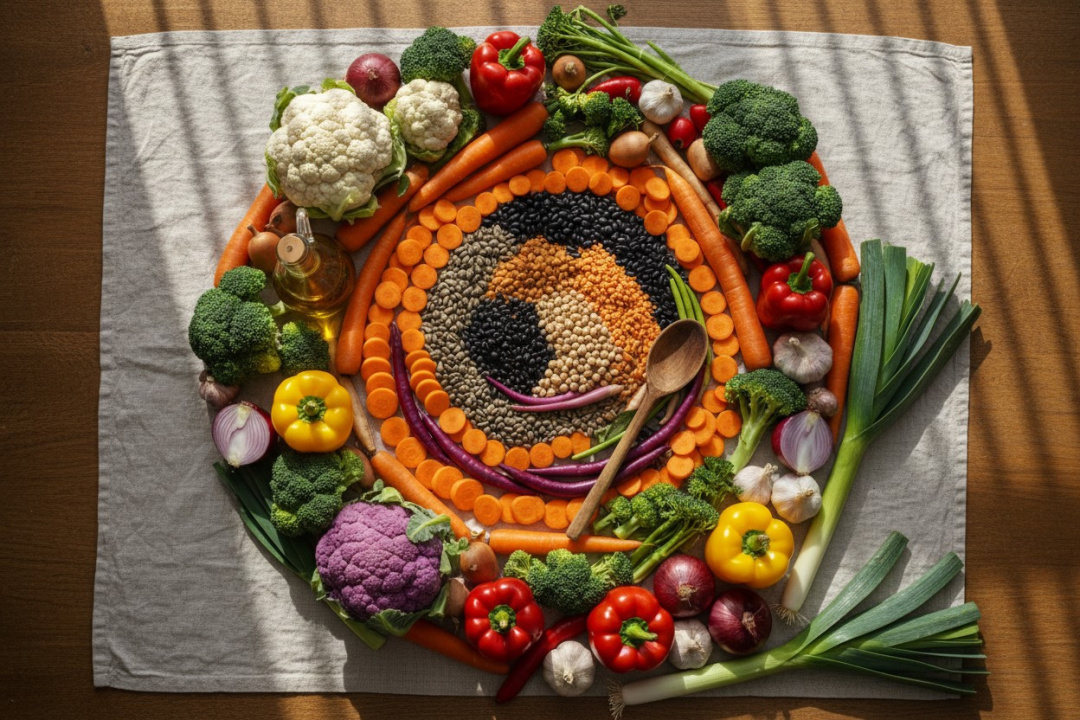
A new study has revealed that adhering to a vegetable-rich diet could extend life expectancy significantly, with women gaining up to 8.3 additional years and men up to 6.1 years. This finding comes from a machine-learning analysis of dietary data collected from two large Canadian nutrition surveys, which tracked participants up to 2017, linking their eating habits to health outcomes, including mortality and cardiovascular events. The study found that individuals who scored high on the vegetable-rich diet exhibited a 51% lower risk of dying from any cause and a 45% lower risk of experiencing a cardiovascular event compared to those with lower scores.
The vegetable-rich pattern identified in the study includes a variety of foods such as allium vegetables (like onions and garlic), cruciferous vegetables (like broccoli and cauliflower), orange and red vegetables, legumes, and vegetable oils. Notably, participants who embraced this diet also tended to consume less fast food. The study categorized Canadian adults into three distinct eating patterns: the vegetable-rich diet, a pattern characterized by high sugary beverage consumption and low fruit intake, and a high-fat breakfast pattern. The latter two patterns were associated with increased mortality risks, particularly the sugary beverage pattern, which correlated with a 31% higher all-cause mortality risk overall.
The research emphasizes the importance of a whole-diet approach rather than focusing solely on individual superfoods. The findings align with previous studies linking higher vegetable and fruit consumption to reduced mortality risks. The study authors caution that while the results are compelling, the observational nature of the research does not establish causation, and other underlying factors may contribute to the observed outcomes. They advocate for a shift towards plant-forward meals while acknowledging that the diet does not need to be exclusively plant-based.
Furthermore, the study highlights that the vegetable-rich diet aligns with dietary patterns previously associated with lower disease risks, such as the Mediterranean diet, which emphasizes vegetables and healthy fats like olive oil. The researchers concluded that long-term dietary patterns play a crucial role in life expectancy and that these findings contribute to the growing body of evidence supporting plant-forward diets as beneficial for health and longevity. However, they also noted the need for careful interpretation of the results due to the complexities involved in dietary studies.