Gut Microbiome's Role in Enhancing Athletic Recovery, New Review Finds
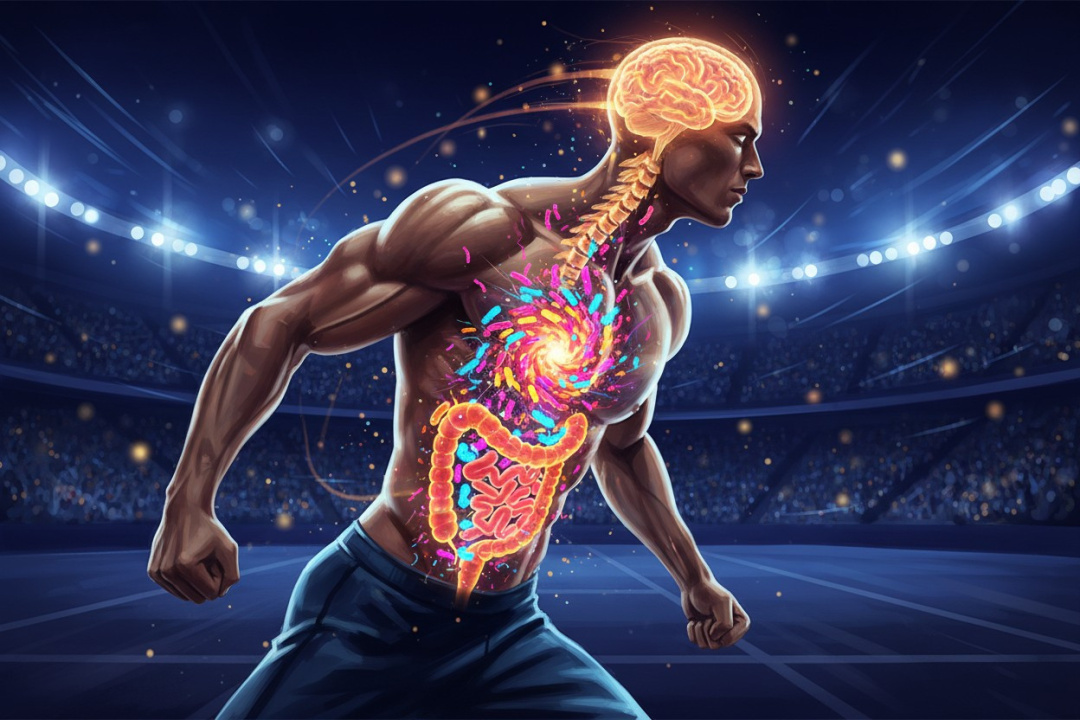
A new narrative review has examined the influence of gut bacteria on athletic recovery, indicating that the trillions of microorganisms residing in the digestive tract may significantly affect how athletes recuperate after intense exercise. This area of research has gained attention as scientists explore the connections between gut health and physical performance. Gut bacteria are known to play a role in immunity, metabolism, and inflammation, which are critical factors in the body's response to training.
The researchers conducted a thorough review of clinical trials and large research summaries involving athletes and physically active individuals, analyzing 418 publicly available gut-bacteria data sets. In instances where data specific to athletes were limited, the team referenced laboratory and animal studies that aligned with biological principles. Their findings revealed that the gut bacteria of elite athletes contained more genetic material associated with the production of vitamins, amino acids, and other beneficial compounds compared to those of less active individuals. This suggests that elite athletes may have a more efficient internal nutrient factory than their less active counterparts.
One of the key advantages identified in the review is the production of short-chain fatty acids by gut bacteria when they break down dietary fiber. These compounds, particularly butyrate, serve as a primary fuel source for the cells lining the gut wall, helping to maintain its integrity and reduce inflammation following strenuous training sessions. Moreover, prebiotics, which nourish beneficial bacteria, have been noted for their anti-inflammatory properties and ability to enhance nutrient absorption.
The analysis also highlighted sport-specific differences in gut bacteria. Endurance athletes were found to have higher levels of bacteria associated with lactate processing and aerobic exercise, while strength athletes exhibited a greater abundance of bacteria that specialize in protein metabolism. These differences reflect the unique demands of each sport.
Small controlled trials referenced in the review indicated that multi-strain probiotics containing Lactobacillus and Bifidobacterium could lower inflammation markers and mitigate oxidative stress in athletes. Some probiotics have been linked to improved athletic performance, leading researchers to suggest that a deficiency in certain gut bacteria might disadvantage some athletes.
In one notable trial involving an elite soccer team, a multi-strain Lactobacillus formula was shown to enhance sleep quality, energy levels, and gut function, alongside reductions in inflammation and stress markers. The review also discussed the bidirectional communication between the gut and the brain, where specific bacteria produce GABA, a calming neurotransmitter, while others assist in converting tryptophan into serotonin and melatonin, which regulate sleep and circadian rhythms.
The review emphasized that recovery encompasses not only muscular repair but also the nervous system. Heavy training can reduce bacterial diversity, leading to an increase in less beneficial bacteria, which may contribute to fatigue if not addressed. The relationship between exercise and gut bacteria is reciprocal; exercise influences which bacteria thrive, and these bacteria, in turn, affect recovery outcomes.
The authors of the review recommended incorporating fiber-rich foods such as oats, garlic, onions, leeks, and legumes into the diet to support butyrate-producing bacteria. They noted that plant-based foods positively impact gut microbiota, which plays a crucial role in health and performance.
To enhance gut diversity, varying protein sources, adding fermented foods, and minimizing ultra-processed foods are suggested strategies. The review also highlighted that probiotics need a conducive environment to exert lasting effects; simply adding probiotics without supporting conditions may be insufficient. It was noted that ultra-processed foods could adversely affect gut chemistry, as shown in animal studies, and that substances like glyphosate may disrupt the gut microbiome by harming beneficial bacteria.
The review concluded that gut bacteria might facilitate recovery by reducing inflammation, enhancing nutrient availability, and improving sleep. As research progresses, personalized gut-focused recovery plans could become integral to sports medicine. Athletes who frequently experience colds or ongoing gastrointestinal issues during training may particularly benefit from targeted probiotics. Supporting gut health through dietary and natural approaches aligns with recommendations that prioritize microbiome care over chemical interventions.