Study Reveals Immunosuppressive Niche in Mycetoma Patients in Sudan
Mycetoma, a neglected tropical disease recognized by the World Health Organization, poses a significant health threat in tropical regions, particularly affecting impoverished communities. This disease is characterized by the formation of granulomas in the skin, deep tissues, and bones, leading to severe tissue damage and deformities. The presence of ‘grains,’ which are compacted microcolonies of pathogens, is a key diagnostic feature of mycetoma. Recent research conducted by a team led by Mohamed Osman and Helen Ashwin has shed light on the immune responses in mycetoma patients, particularly focusing on the immunosuppressive environment surrounding these grains.
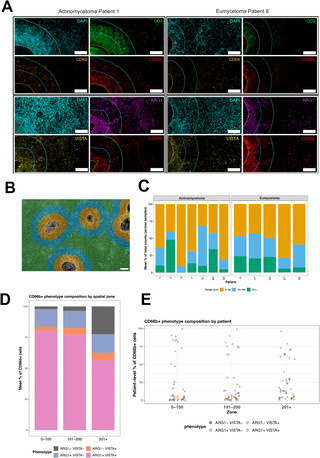
The study involved surgical biopsies from 11 patients diagnosed with mycetoma, including both bacterial (actinomycetoma) and fungal (eumycetoma) types. The researchers utilized spatial proteomics to analyze the distribution of 43 immune-related proteins within the tissue samples. Their findings revealed that the immune cells located near the grains exhibited higher levels of certain markers associated with immunosuppression, including CD66b+ neutrophils, ARG1, and VISTA. This accumulation of immunosuppressive cells suggests that the microenvironment surrounding the grains may inhibit the host's immune response, potentially allowing the pathogens to persist and contribute to the chronic nature of the disease.
The implications of this research are significant, as they highlight a potential barrier to effective treatment for mycetoma. Currently, treatment options are limited and often ineffective, with high recurrence rates. Understanding the immunological landscape surrounding mycetoma grains could pave the way for new therapeutic strategies aimed at enhancing the immune response and improving patient outcomes.
The study was registered with ClinicalTrials.gov (NCT04401969) and conducted in accordance with ethical standards, with all patients providing informed consent for their tissue samples to be used in research. The research team included experts from the University of Khartoum and the University of York, reflecting a collaborative effort to address this pressing public health issue.
In conclusion, the discovery of an immunosuppressive niche associated with mycetoma grains opens new avenues for research and treatment. By targeting the immune environment surrounding these grains, future therapies may improve the management of mycetoma and reduce the burden of this debilitating disease on affected populations.