Meta-Analysis Links Black Seed Supplementation to Cholesterol and Blood Sugar Changes
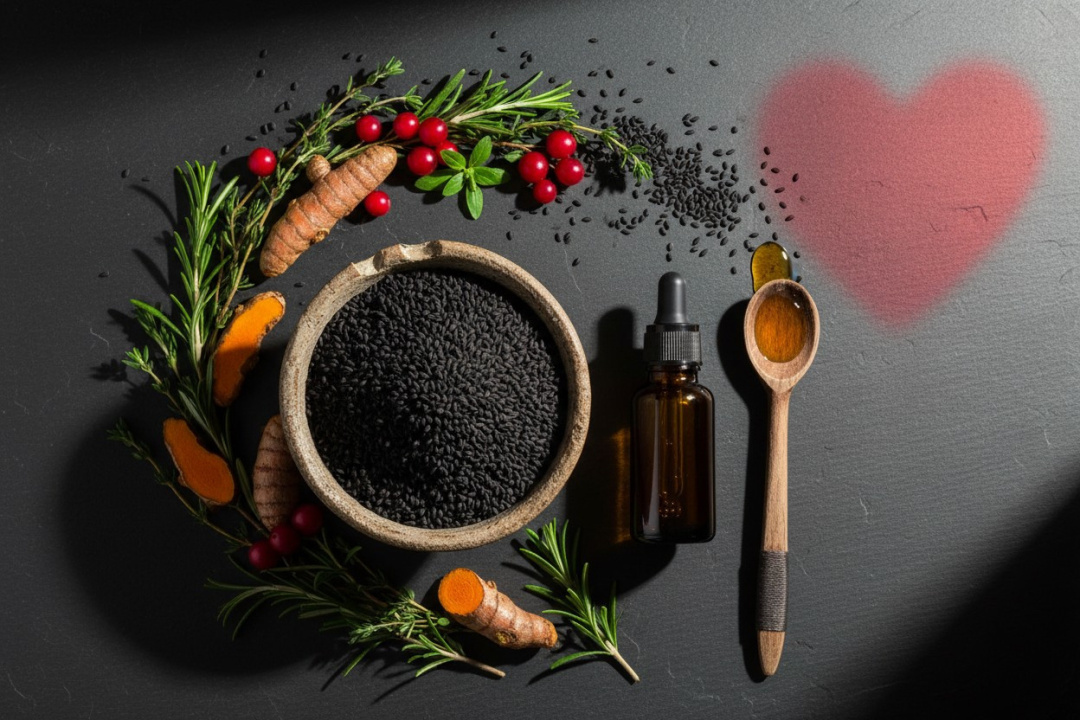
A recent meta-analysis involving 82 randomized controlled trials has revealed that supplementation with black seed, also known as Nigella sativa, is linked to notable changes in cholesterol levels, blood pressure, and blood sugar. This comprehensive review, published in September 2025 in Pharmacological Research, was conducted by researchers from multiple Iranian universities in collaboration with the Universal Scientific Education and Research Network. The analysis encompassed a total of 5,026 participants across trials published between 2008 and 2024, with daily doses of black seed ranging from 200 milligrams to 4,600 milligrams. The researchers employed a GRADE-assessed, dose-response method to evaluate the certainty of each outcome. Significant reductions in body weight, body mass index, and waist circumference were also reported as part of the findings. Black seed has a long history of use in traditional medicine, particularly in Eastern Europe, Western Asia, and the Middle East, where its seeds have been utilized for both culinary and medicinal purposes. The review indicated that black seed supplementation was associated with lower total cholesterol and low-density lipoprotein (LDL) cholesterol, while high-density lipoprotein (HDL) cholesterol levels increased. The most pronounced lipid effects were observed at higher doses and with longer durations of supplementation. Previous studies have also noted the lipid-related benefits of black seed oil, highlighting its positive impact on blood lipids. Alongside the lipid changes, the analysis indicated that blood pressure benefits were also observed, positioning black seed as a promising adjunct for heart health. Earlier studies, including one from 2013, reported that Nigella sativa seed extract effectively lowered blood pressure. This pooled review spanned 16 years of published trials, further supporting the potential health benefits of black seed. A related study from Osaka Metropolitan University found that black cumin seed powder was associated with reduced levels of bad cholesterol and decreased fat cell formation. Additionally, a separate review focusing on individuals with type 2 diabetes indicated that black seed improved fasting blood sugar and lipid markers. Previous meta-analytic evidence aligns with these findings, suggesting that Nigella sativa contributes positively to glucose homeostasis and serum lipids in type 2 diabetes. Moreover, an earlier crossover trial involving overweight and obese women demonstrated that black seed supplementation significantly reduced an inflammatory marker associated with insulin resistance, indicating potential benefits for blood sugar regulation. Black seed contains thymoquinone, a compound that has garnered attention in research concerning its metabolic effects. Practical recommendations from the source suggest incorporating black seed oil into food rather than consuming it directly, as the oil has a strong, slightly bitter flavor. Mixing a teaspoon into salad dressings, hummus, or smoothies is advised. Cold applications are recommended over high-heat cooking to preserve thymoquinone's beneficial properties. The review emphasizes that most trials demonstrating meaningful improvements in cholesterol and blood sugar levels lasted eight weeks or longer, with some extending up to a year, indicating that consistent daily intake is necessary for observable changes. While the pooled trials show associations from controlled studies, it is important to note that heart disease has multiple contributing factors, and no single seed can fully address the long-term cardiovascular burden. The source also clarifies that black seed should not replace prescribed medical treatments, as elevated cholesterol can stem from various factors, including diet, lifestyle, and genetics.