Triglyceride-Glucose Index Linked to Severity of Coronary Artery Disease
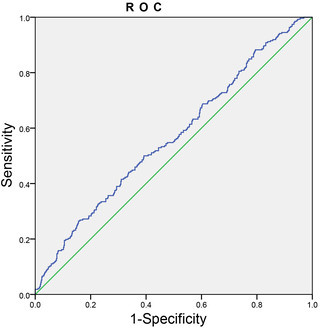
Cardiovascular disease (CVD) remains a leading cause of mortality worldwide, with coronary heart disease (CHD) being the most prevalent form. The triglyceride-glucose (TyG) index, a composite measure of fasting triglycerides and glucose levels, has emerged as a potential independent prognostic marker for cardiovascular outcomes. This study aimed to explore the variations in the TyG index among patients with differing severities of coronary artery disease, as assessed by Gensini scores, and to evaluate its diagnostic efficacy alongside serum biomarkers.
The research included 861 patients diagnosed with CHD who underwent coronary angiography at the Fourth Affiliated Hospital of Harbin Medical University between June 2022 and June 2024. Comprehensive demographic and clinical data were collected, and patients were categorized into three groups based on their Gensini scores, which reflect the severity of coronary artery occlusion. The study found that TyG levels significantly differed between groups with mild and severe stenosis, indicating a strong association between the TyG index and the extent of coronary artery disease.
Multivariate logistic regression analysis revealed that the TyG index was positively correlated with coronary stenosis, suggesting that higher TyG levels may reflect more complex coronary lesions and a greater risk of adverse cardiovascular outcomes. Specifically, the odds ratio for severe coronary stenosis increased with higher TyG quartiles, underscoring the index's potential as a valuable tool for assessing atherosclerosis severity.
The study's findings highlight the importance of the TyG index in understanding coronary artery disease severity and its potential role in clinical decision-making. As CVD continues to pose significant health challenges globally, identifying reliable markers for disease risk and progression is crucial for effective prevention and management strategies. This research supports the notion that the TyG index could serve as a useful indicator for clinicians in evaluating patients with coronary artery disease, ultimately aiding in the enhancement of cardiovascular health outcomes.