Tragic Death of Student Raises Concerns About Tirzepatide and Off-Label Use
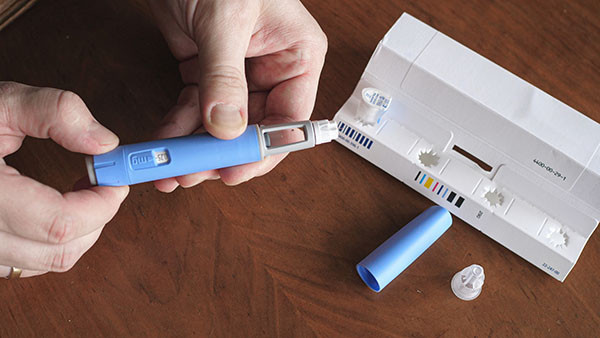
Josephine Nasr, a 19-year-old law student studying in London, tragically died after taking tirzepatide, a GLP-1 weight loss drug, which has raised significant concerns regarding its safety and off-label use. A coroner's investigation revealed that Nasr, who was classified as overweight rather than obese, experienced severe nausea and vomiting linked to the medication. She was found deceased in her dormitory at the University of East London on September 23, 2025. A post-mortem examination indicated that she had a congenital heart condition, which may have contributed to her death.
During the inquest, pathologist Dr. Alan Bates stated that the side effects of tirzepatide likely initiated a fatal chain reaction. Vomiting led to hypoglycemia and an electrolyte imbalance, ultimately causing cardiac arrhythmia. Coroner Graeme Irvine concluded that both Nasr's pre-existing heart condition and her prescription of tirzepatide played critical roles in her death, noting that an empty vial of the drug was discovered in her room. Nasr had received her prescription from a doctor in California during the summer of 2025.
The medication, manufactured by Eli Lilly and marketed under the brand names Mounjaro and Zepbound, is approved for managing Type 2 diabetes and chronic weight management. However, experts are increasingly concerned about the implications of prescribing such medications to younger patients. Dr. Michelle Perro, co-author of "What's Making Our Children Sick?" labeled Nasr's death a "preventable tragedy," emphasizing that the side effects of GLP-1 drugs can lead to severe outcomes, particularly in young individuals. She noted that pediatricians are alarmed by the recent approval of weight-loss drugs for children, which she believes poses significant risks.
The U.S. Food and Drug Administration (FDA) approved Saxenda for obesity in children aged 12 and older in 2020, followed by Wegovy in 2022. In January 2023, the American Academy of Pediatrics (AAP) recommended weight-loss drugs for obese children as young as eight and bariatric surgery for those as young as 13. However, an investigation by the British Medical Journal in 2025 uncovered undisclosed financial ties between the AAP and pharmaceutical companies behind these medications, raising further ethical concerns.
Following Nasr's death, Eli Lilly expressed sympathy and emphasized the importance of monitoring safety information for its medications. They advised anyone experiencing side effects to consult their healthcare provider. Despite this, the incident adds to a growing body of evidence highlighting the risks associated with GLP-1 drugs. Reports indicate that over 150 deaths in the U.K. have been linked to these injections, with 98 involving tirzepatide alone. In the U.S., the FDA has warned Novo Nordisk for failing to report adverse events, including fatalities, related to its drugs Ozempic and Wegovy.
Currently, approximately 12% of U.S. adults report using GLP-1 medications for weight loss, with the market projected to reach $50 billion by 2030. However, for families like the Nasrs, the allure of a quick fix has come at a devastating cost, underscoring the urgent need for cautious prescribing practices and thorough patient education regarding the potential dangers of these medications.