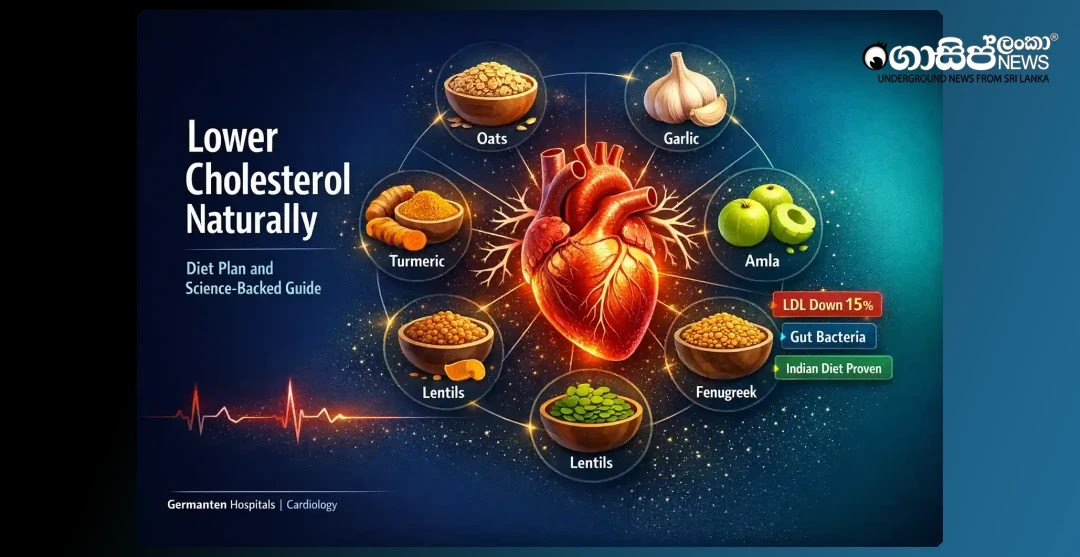
Heart Foundation of New Zealand Identifies Seven Foods to Help Lower LDL Cholesterol
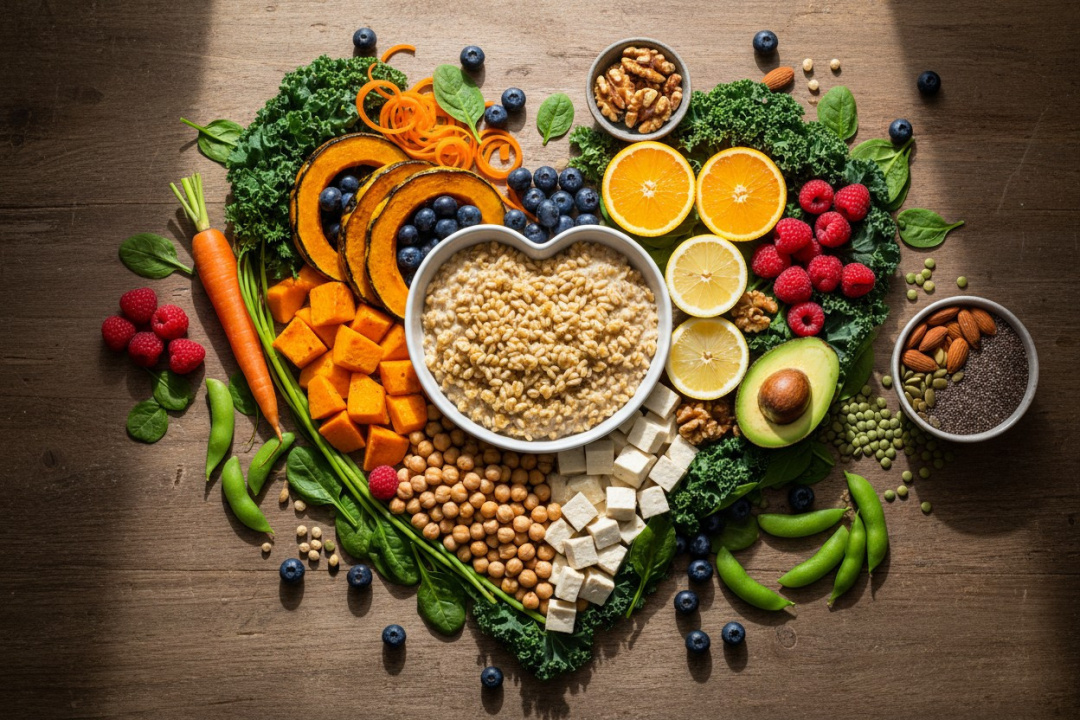
The Heart Foundation of New Zealand has identified seven foods that may help lower LDL cholesterol, according to information available on their website. This guidance emphasizes that a heart-healthy diet can significantly improve cholesterol levels and overall heart health. The foods listed include oats and barley, a variety of vegetables and fruits, foods rich in heart-healthy fats, legumes and beans, nuts and seeds, and sources of plant sterols. Each of these foods contributes to heart health in different ways and should be integrated into a broader dietary pattern rather than being viewed as a short-term solution. The foundation stresses that no single food or meal can effectively lower cholesterol on its own.
Cholesterol, a waxy substance produced by the body and found in certain foods, is essential for various bodily functions. However, high levels of LDL cholesterol, often referred to as 'bad' cholesterol, can lead to health issues such as atherosclerosis, a condition characterized by plaque buildup in the arteries that can increase the risk of heart attack and stroke. The foundation notes that high cholesterol typically does not present symptoms and can only be detected through blood tests.
Oats and barley are particularly noted for their high beta-glucan content, a soluble fiber that has been shown to help lower LDL cholesterol. Research has indicated that these whole grains are effective due to their cholesterol-binding properties. Additionally, fruits and vegetables are rich in soluble fiber, which can reduce cholesterol absorption; the foundation advises keeping the skins on certain vegetables to maximize fiber intake.
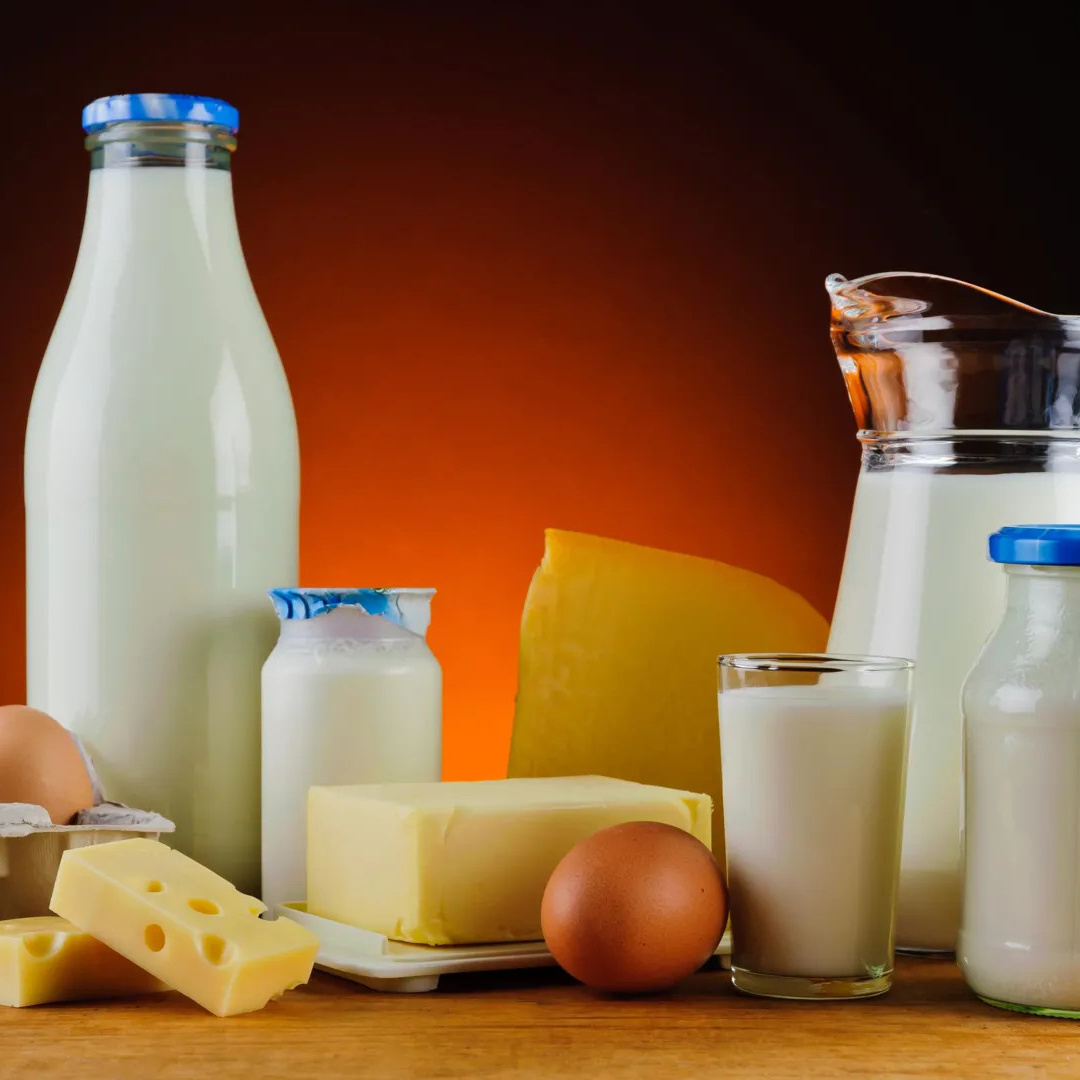
Foods that contain heart-healthy fats, such as avocados, oily fish, nuts, seeds, olives, and vegetable oils, can help raise HDL cholesterol, often referred to as 'good' cholesterol, when consumed in place of saturated fats. The foundation warns that saturated fats, commonly found in palm oil and many processed foods, can elevate LDL cholesterol levels. Legumes and beans not only provide soluble fiber but also plant-based protein, and substituting them for meat can lead to lower LDL cholesterol levels. A meta-analysis from researchers at the University of Otago found that incorporating approximately half a cup of legumes daily was associated with reductions in both total and LDL cholesterol levels.
Nuts and seeds have also been linked to lower LDL cholesterol and triglyceride levels, with the foundation recommending unsalted, unroasted varieties to retain their health benefits. Soy products, including tofu and soy milk, may modestly reduce LDL cholesterol and triglycerides as well. Plant sterols, which are naturally found in various fruits, vegetables, nuts, and cereals, can aid in reducing cholesterol absorption.
While some alternative medicine practitioners argue that the medical community exaggerates the risks associated with cholesterol and the necessity for cholesterol-lowering medications, the Heart Foundation maintains that some individuals may require medication to manage high cholesterol effectively. Their guidance underscores the importance of a predominantly plant-based diet that incorporates the seven identified foods as part of an overall heart-healthy eating pattern. The foundation emphasizes that heart health relies on consistent consumption of heart-healthy foods and a holistic view of dietary quality. A healthy lifestyle, which includes regular physical activity, adequate sleep, and avoiding smoking, is also crucial for managing cholesterol levels and maintaining heart health.