Newark's Food Pantry Transforms into Grocery Store Model to Combat Hunger
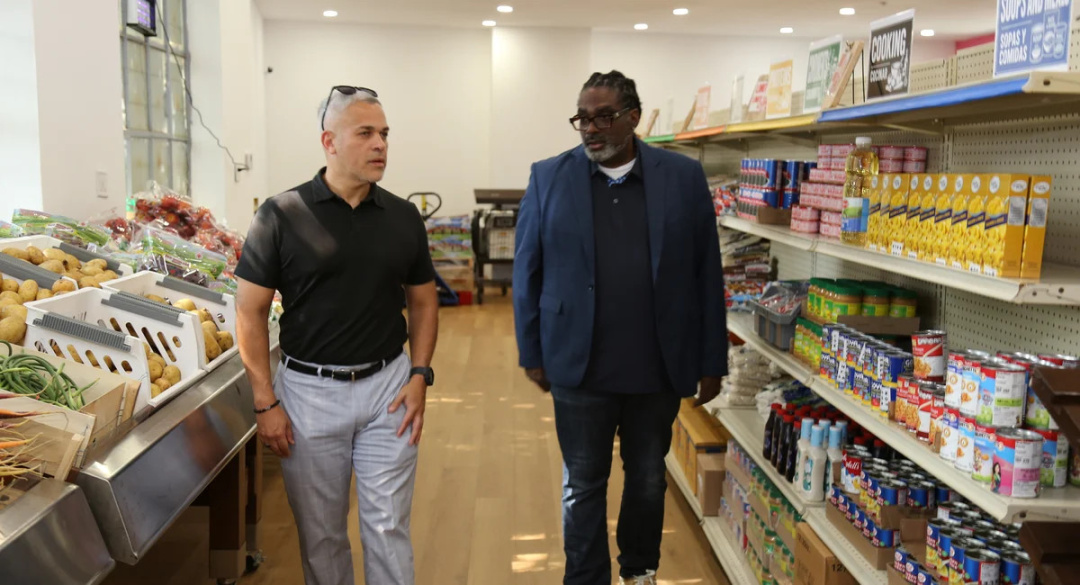
In a significant shift in food assistance, a long-standing food pantry in Newark's West Ward has transformed into a grocery store-style model, greatly improving the experience for residents facing food insecurity. This change has eliminated the long lines that once characterized the pantry, where hundreds would wait for prepacked bags of groceries. Instead, the new setup features brightly lit aisles filled with fresh produce, frozen foods, and staple items like rice and beans, allowing individuals to select what they truly need and want.
The United Community Corporation (UCC), a Newark-based nonprofit, spearheaded this transformation, aiming to treat patrons with more respect and better address their needs. Craig Mainor, UCC's executive director, emphasized the importance of this model, stating that it allows individuals to make choices about their health and nutrition, rather than receiving items they may not use. This approach not only enhances the dignity of those seeking assistance but also fosters a sense of community.
Barbara Ross, a local resident, expressed her satisfaction with the new system, noting that it is a refreshing change from the previous method of receiving prepacked bags. The pantry now includes a designated area for children, complete with a library and art supplies, ensuring that families can access food while keeping their children engaged.
The food provided at the pantry comes from local food banks and donations from grocery stores, including Stop & Shop and Trader Joe’s. Maria Torres, UCC’s director of food assistance, mentioned that the revamped pantry has attracted visitors from neighboring areas, highlighting its growing reputation as a resource for those in need.
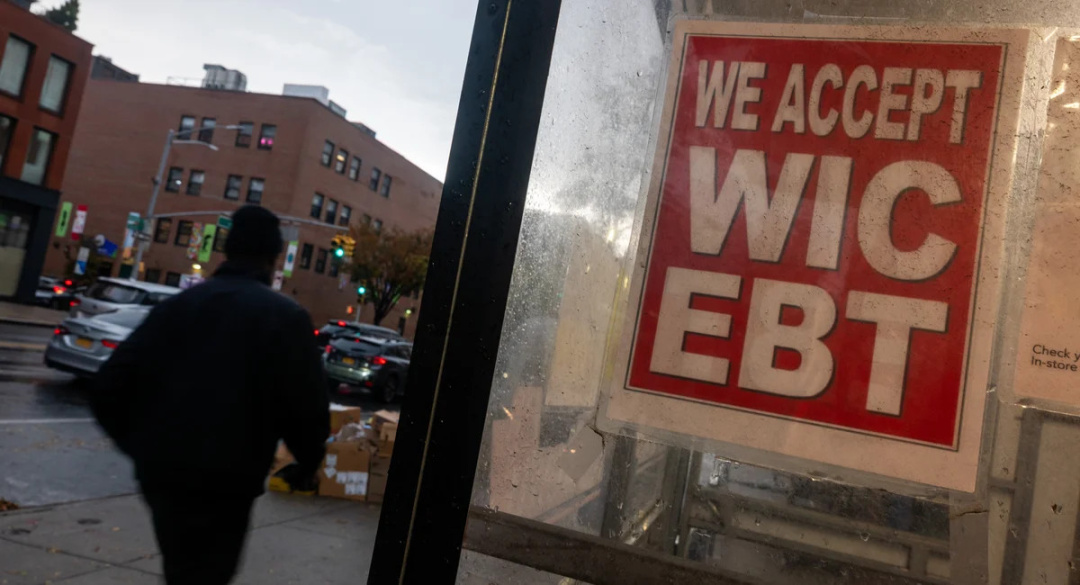
City leaders recognize the importance of grocery-style food pantries in addressing Newark's food deserts, particularly as new federal policies have made it more challenging for many to qualify for SNAP benefits. The recent changes in SNAP regulations require recipients to work or volunteer monthly, which has led to a significant loss of benefits for over 35,000 New Jerseyans. This has intensified the demand for food assistance, making the role of organizations like UCC increasingly vital.
City Councilmember Lawrence Crump noted that these community markets are crucial for residents who lack the means to travel to larger grocery stores. The new model not only provides access to food but also serves as a hub for additional resources to support families facing various challenges, such as housing instability.
As Newark prepares to roll out similar grocery store-style pantries across all five wards, the initiative aims to alleviate food insecurity and empower residents to make informed choices about their nutrition. The UCC's approach reflects a growing trend toward dignity and choice in food assistance, moving away from traditional models that may inadvertently stigmatize those in need.