Examining the Limitations of BMI in Understanding Body Fat and Health

The concept of Body Mass Index (BMI) has become a standard measure for categorizing individuals as obese or overweight based on their weight relative to height. However, this classification system has its roots in a historical context that may not fully capture the complexities of body fat and health. Until the late 19th century, weight measurement was not commonplace, and terms like thin, plump, or corpulent were subjective. The introduction of the penny scale allowed individuals to measure their weight, prompting questions about ideal body weight.
Adolphe Quetelet, a Belgian polymath, first sought to establish a standard for weight relative to height, leading to the development of what he termed "Quetelet's index." This index was not designed to measure obesity but rather to describe a typical weight for a given height. However, as insurance companies recognized its potential for profit, BMI evolved into a tool for categorizing risk, with the first standardized weight tables emerging from the Connecticut Mutual Life Insurance Company.
In 1972, Ancel Keys expanded upon Quetelet's work, demonstrating a correlation between BMI and body fat percentage. Despite his caution against over-reliance on this index, BMI became the global standard for assessing body fat levels, leading to the establishment of six categories by the World Health Organization (WHO). Yet, BMI's limitations are significant; it does not account for the composition of weight, failing to distinguish between fat, muscle, and other tissues. This can lead to misclassifications, particularly among individuals with high muscle mass.
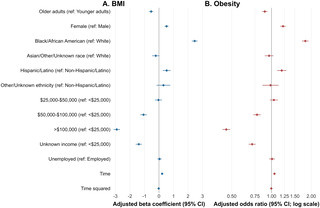
Moreover, BMI does not consider variations in body composition based on age, sex, or ethnicity. Research indicates that Black Americans typically have higher BMI values than their white counterparts for the same body fat percentage, while Asians often have lower BMI values. Such discrepancies underscore the reductive nature of BMI, which can stigmatize individuals based on a single numerical value.
The article also emphasizes that fat is not merely a substance to be minimized; it plays vital roles in bodily functions and energy storage. Fat cells, or adipocytes, are dynamic and contribute to hormonal signaling that affects appetite and metabolism. When these cells become damaged due to overexpansion, they can trigger chronic inflammation, leading to various health issues, including type 2 diabetes and cardiovascular diseases.
The relationship between fat cells and hunger is complex. When fat cells shrink, they produce signals that can increase appetite, counteracting efforts to lose weight. This biological response is a remnant of our evolutionary past, where maintaining energy reserves was crucial for survival. However, in modern contexts, this can lead to challenges for individuals attempting to manage their weight.
The article concludes by advocating for a more comprehensive approach to assessing body fat and health, moving beyond BMI to consider factors such as waist circumference and fat distribution. Understanding the nuances of body fat and its implications for health is essential in addressing the stigma associated with weight and promoting a more accurate understanding of individual health profiles.