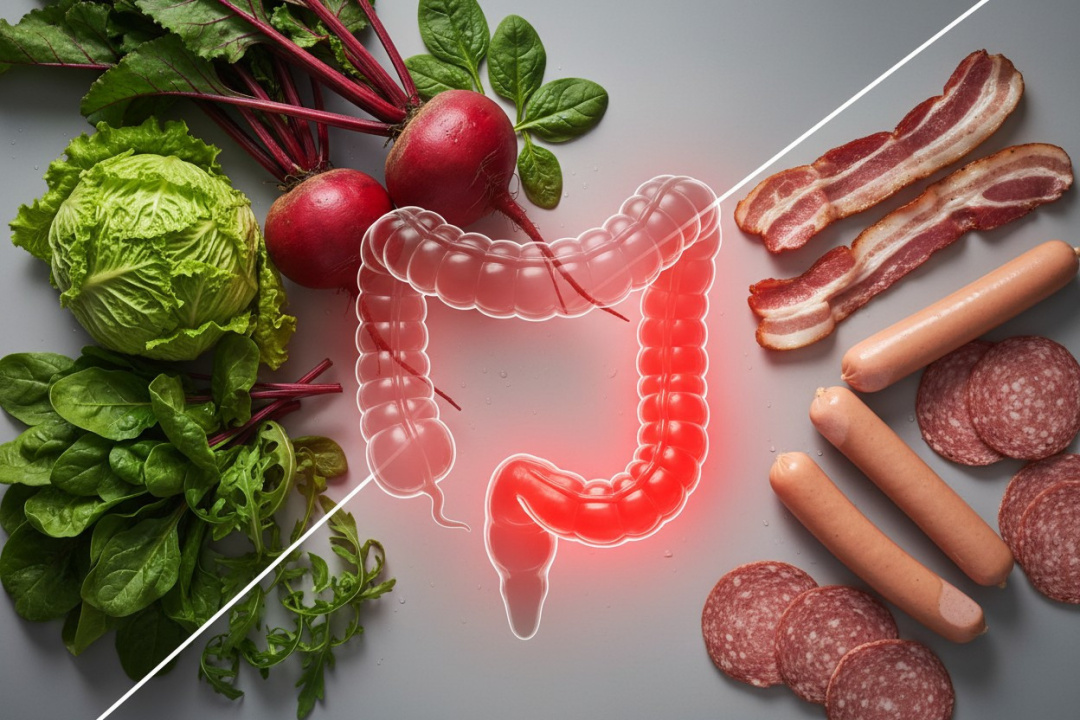
Study Links Nitrate and Nitrite Intake Sources to Gastric Cancer Risk in Denmark

Nitrate and nitrite, substances commonly found in foods and drinking water, have been linked to gastric cancer (GC) due to their potential to form carcinogenic compounds known as N-nitrosamines. However, the risks associated with these compounds can vary significantly depending on their source. A comprehensive analysis conducted within the Danish Diet, Cancer, and Health Cohort aimed to estimate the intake of nitrate and nitrite from various sources, including plant-based foods, naturally occurring animal sources, additive-permitted meat sources, and drinking water. This analysis utilized data from food frequency questionnaires, food databases, and water monitoring data to assess these associations with gastric cancer, as identified through the Danish Cancer Registry.
The study included 54,610 participants over a span of 27 years, during which 260 cases of gastric cancer were documented, including 120 cases of cardia cancer, 59 cases of non-cardia cancer, and 81 cases that were overlapping or unclassified. Notably, the results indicated that higher intake of nitrite from plant sources was associated with a reduced rate of gastric cancer, with a hazard ratio (HR) of 0.63 for the highest versus lowest quintile of intake. In contrast, nitrite intake from naturally occurring animal sources was linked to an increased risk, with a hazard ratio of 1.55. Additionally, both nitrate and nitrite intake from additive-permitted meat sources correlated with higher rates of gastric cancer, showing hazard ratios of 3.12 and 1.94, respectively. The findings were particularly pronounced for non-cardia gastric cancer.
Moreover, nitrate intake from tap water was also associated with an increased risk of cardia gastric cancer, with a hazard ratio of 1.95. The study's findings underscore the heterogeneous associations between nitrate and nitrite intake and gastric cancer incidence, influenced by the source and anatomical subsite of the cancer. Given these results, the authors suggest that there is a pressing need to reconsider existing regulations regarding nitrate and nitrite additives in processed meats, as well as the permissible levels of nitrate in drinking water. Further investigation into the implications of nitrite intake from animal-sourced foods is also warranted to better understand these associations and their potential impact on public health.