Research Links Arginine Deficiency to Weakened Immune Response
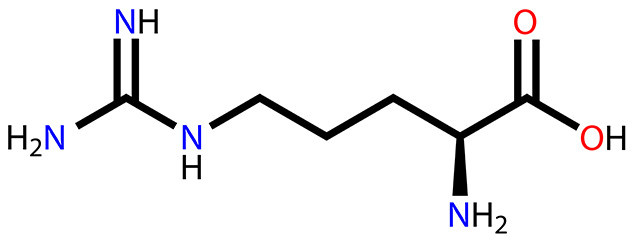
New research from Rockefeller University, published in the journal Cell on July 30, highlights the significant role of arginine, a common amino acid found in protein-rich foods and supplements, in maintaining immune system function. The study, led by Sohail Tavazoie, reveals that insufficient arginine levels can prevent cells from producing MHC-1 proteins, which are crucial for the immune system's ability to identify and eliminate cancer cells and viral infections. When arginine is scarce, cells display fewer signals that alert T cells to potential threats, allowing harmful cells to evade detection.
This research provides insight into the longstanding question of how poor nutrition and the aging process contribute to increased susceptibility to certain cancers and viral infections. As arginine levels decline with age, the study suggests that this deficiency may directly impair immune surveillance. First author Qiushuang Wu stated, "Our work reveals how a lack of arginine interferes with the immune system, and suggests that upping arginine intake could prove beneficial." This raises the possibility that arginine could be used in conjunction with other therapies to enhance treatment for both cancer and viral infections.
The study builds on previous findings from Tavazoie's team, which indicated that depriving colon cancer cells of arginine led to increased mutations. The current study explored how variations in arginine levels could influence gene expression, a connection that had not been thoroughly understood. Researchers examined several disease models, including colon cancer, influenza, and SARS-CoV-2, in cell cultures, identifying 414 proteins that were present at lower levels when arginine was deficient. Notably, three HLA genes responsible for producing MHC-1 proteins were significantly affected, as arginine is essential for their production.
In mouse studies, those fed a diet low in arginine developed more colon cancer tumors, while those with higher arginine intake experienced fewer tumors. The same pattern was observed with viral infections; mice on an arginine-rich diet exhibited milder symptoms from influenza, and administering arginine post-infection improved their outcomes. Wu remarked on the unexpected impact of dietary manipulation on gene expression, stating, "From our genetic models, we knew manipulating arginine levels had a strong effect on gene expression, but we didn't expect the dietary manipulation to be equally impactful."
The study suggests that a moderate daily intake of arginine, equivalent to about 10 grams found in a couple of standard over-the-counter tablets, could potentially restore the expression of genes involved in MHC-1 production. This research challenges the traditional view that amino acid availability merely supports basic metabolism, emphasizing its role in regulating gene expression.
Given the rising rates of colon cancer and respiratory viruses among aging populations in developed nations, the findings indicate that arginine deficiency could be a contributing factor to poorer health outcomes in older adults. Tavazoie noted, "[Wu's] findings illuminate how poor diet and aging – during which arginine levels naturally decline – could create the perfect storm for the initiation of colon cancer. Similarly, age-related arginine loss could partially contribute to the greater mortality caused by respiratory viruses."
The potential for arginine supplementation in patients undergoing immunotherapy or those at high risk for viral infections is promising, as Tavazoie highlighted the accessibility and affordability of arginine. Further studies are underway to explore the benefits of dietary changes in other amino acids across various disease contexts.