Research Links Higher Dietary Fiber Intake to Improved Cognitive Function and Mood
Recent research has established a connection between higher dietary fiber intake and improvements in cognitive function as well as mood regulation. Multiple peer-reviewed studies have indicated that individuals consuming more dietary fiber may experience better cognitive health and a reduced risk of depression. Two significant studies published in 2023, one from Japan and another from Italy, tracked participants over a span of 15 to 20 years. These studies suggested that adults with higher dietary fiber intake could have a lower risk of developing Alzheimer's disease and other forms of dementia, as reported in the journals Nutritional Neuroscience and Age and Ageing.
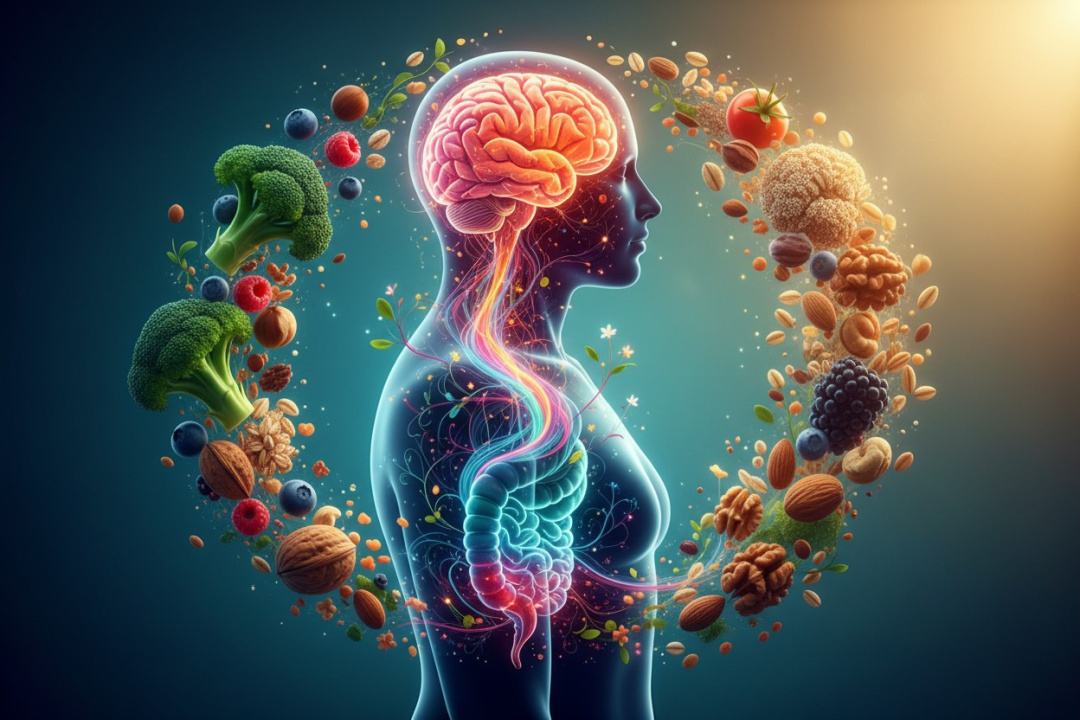
In addition, an analysis of data from 5,068 participants in the 2017-2018 National Health and Nutrition Examination Survey revealed that adults in the highest dietary fiber intake groups had between 36% and 45% lower odds of experiencing depression compared to those with the lowest intake levels. Researchers attribute these observed benefits largely to the gut-brain axis, a complex communication network between the digestive system and the brain. Nerve signals and body fluids transmit messages along the vagus nerve, with over 90% of nerve impulses in this pathway traveling from the gut to the brain. This connection facilitates a bidirectional relationship between the brain and the gastrointestinal tract, linking cognitive and emotional functions with digestive health.
The studies highlight that while the evidence is compelling, it is important to note that they demonstrate association rather than causation. Researchers accounted for other healthy lifestyle factors, including exercise and the consumption of fruits and vegetables. One study author emphasized that although the evidence is consistent, observational data do not definitively prove that fiber alone prevents cognitive decline.
The gut-brain axis comprises a network of nerves, hormones, immune cells, and neurotransmitters, allowing for the exchange of signals between the digestive system and the brain. The enteric nervous system, often referred to as the 'second brain,' communicates with the central nervous system, influencing cognitive processes. Trillions of gut microbes play a crucial role in breaking down dietary fiber, producing short-chain fatty acids (SCFAs) that have anti-inflammatory effects. Butyrate, a specific SCFA generated from fiber fermentation, serves as an energy source for colon cells and is vital for immune regulation.
Research indicates that SCFAs are significant signals linking diet to brain health, with observational studies associating higher fiber intake with improved memory, learning, attention, and processing speed. A randomized placebo-controlled trial found that daily consumption of 5 grams of partially hydrolyzed guar fiber improved visual memory, sleep quality, and mood in adults aged 60 and older.
The studies from Japan and Italy further support the idea that higher fiber consumption is linked to slower cognitive decline and a reduced risk of dementia. Researchers noted that individuals who consume more fiber also tend to engage in more physical activity and have higher fruit and vegetable intake, although the correlation remained significant after adjusting for these factors.
In addition to cognitive benefits, a study published in Nutritional Psychiatry found that increased dietary fiber, along with folate, magnesium, and selenium, was associated with significantly lower odds of depressive symptoms among U.S. adults. The researchers analyzed data from the same National Health and Nutrition Examination Survey, reinforcing the connection between dietary habits and mental health.
The microbiota-gut-brain axis has been proposed as a mechanism through which gut bacteria may influence mental health. Probiotic supplementation has shown promise in improving depression symptoms compared to placebo treatments, highlighting the potential role of gut health in emotional well-being.
Moreover, fiber-rich diets are also linked to better blood sugar regulation, which is essential for overall metabolic health. Chronic low-grade inflammation, associated with memory loss and neurodegenerative diseases, can be mitigated through optimal fiber consumption. New research indicates that regular fiber intake reduces inflammation, a key factor in various bodily dysfunctions.
Dietary guidelines recommend that women consume 25 grams of fiber daily and men aim for 38 grams. However, many adults in the U.S. fall short of these recommendations, leading to chronic metabolic strain and digestive issues. Foods high in fiber include legumes, whole grains, vegetables, fruits, nuts, and seeds, which are staples in many traditional diets.
Experts suggest gradually increasing fiber intake and maintaining hydration to minimize digestive discomfort. They emphasize that small dietary changes can lead to significant health benefits over time. The accumulating evidence underscores the importance of diet as a modifiable factor in promoting brain health. While further clinical trials are necessary to establish a direct causal relationship between fiber and cognitive health, increasing fiber intake is considered a low-risk dietary adjustment with known benefits for digestive and metabolic health.