Research Explores Age-Related Changes in Walking Efficiency and Stability
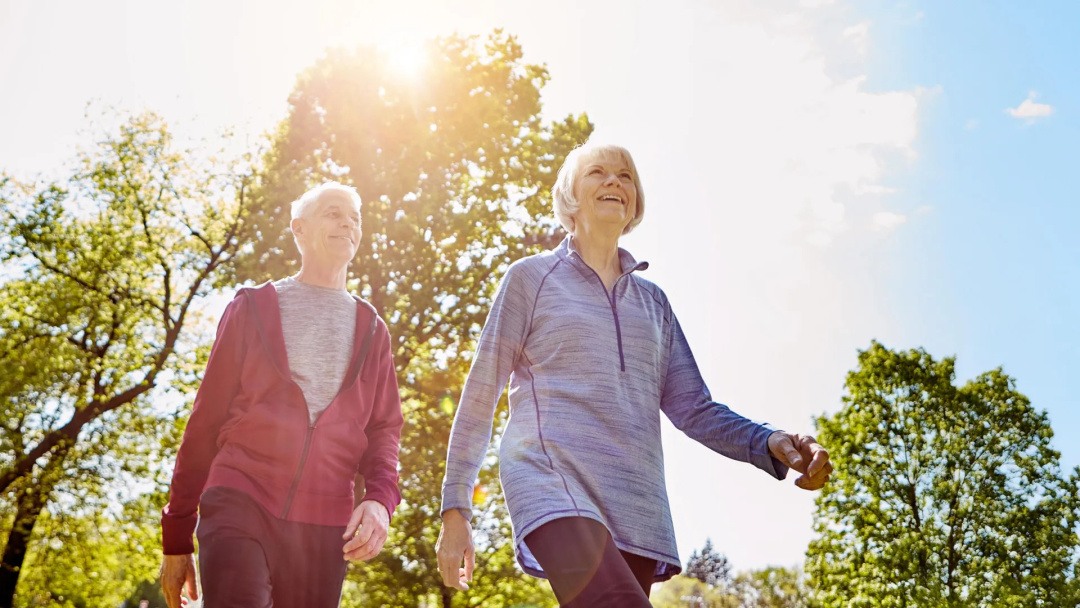
New research from Australia sheds light on the reasons behind the increased difficulty in walking as individuals age. Conducted by researchers from Flinders University and the University of Canberra, the study indicates that older adults tend to sacrifice movement efficiency in favor of stability, which helps explain why walking can become more tiring and slower over time. The researchers analyzed movement data from 107 healthy adults aged between 26 and 86 years, uncovering significant age-related differences in how the ankle and surrounding muscles function during walking. Dr. Cody Lindsay, the lead author and an expert in sport and exercise technology, emphasizes the crucial role of the ankle in maintaining balance while propelling the body forward. He notes that as people age, their bodies prioritize stability over efficiency, which, while beneficial for remaining upright, makes walking more strenuous. The study found that older adults often engage opposing muscles around the ankle simultaneously, a phenomenon known as co-contraction. This co-contraction increases joint stiffness, enhancing stability upon foot contact but requiring more muscular effort without generating proportional forward movement. Consequently, older participants exhibited reduced push-off power with each step, leading to shorter strides and slower walking speeds. Associate Professor Maarten Immink, a co-author of the study, highlights that these findings reflect a broader shift in movement management as individuals grow older. The nervous system adopts a safety-first approach, compensating for age-related changes by prioritizing stability over performance. This adaptation can lead to increased fatigue and challenges in walking longer distances, as well as a diminished ability to recover from slips or trips—factors that contribute to falls among the elderly. Even minor changes in walking can impact confidence and independence, with many older adults noticing increased fatigue or instability, particularly on uneven surfaces. The researchers suggest that to help maintain mobility in older adults, exercise programs should not only focus on strength but also on balance and coordination, considering how different muscles work together during movement. Dr. Lindsay advocates for simple actions that can enhance mobility, such as regular physical activity, balance exercises like tai chi, lower-leg strengthening, and activities that challenge coordination. Staying active is emphasized as a vital component for older Australians, with consistent, small exercises playing a crucial role in maintaining confidence, mobility, and independence as they age. The researchers hope their findings will inform better prevention and rehabilitation strategies aimed at reducing falls and promoting healthy aging.