How Low-Impact Exercise Can Help Manage Joint Pain as We Age
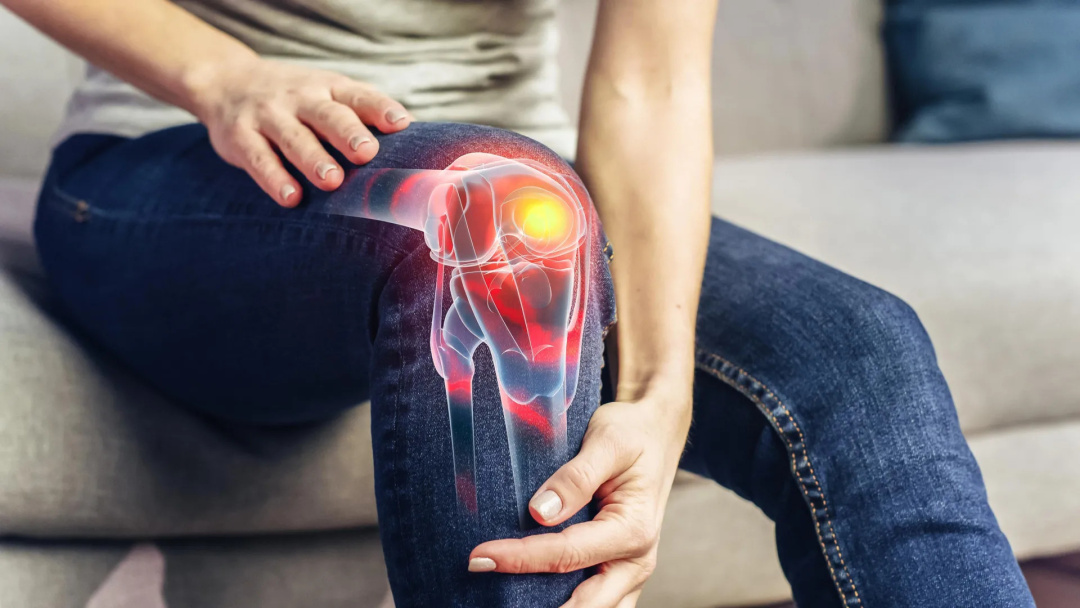
Growing older brings many benefits, but joint pain is often a significant drawback. As we age, the cartilage that cushions our joints and the synovial fluid that lubricates them gradually decrease. This deterioration can lead to discomfort and conditions such as osteoarthritis, which affects over 500 million people globally. Osteoarthritis often manifests most severely in weight-bearing joints, including the knees, hips, and spine.
Contrary to what some may believe, avoiding physical activity can exacerbate joint issues. Regular exercise is essential as it helps distribute synovial fluid, which nourishes cartilage and reduces friction in the joints. Furthermore, strengthening the muscles around the joints can serve as a protective measure against pain. Research indicates that strength training, particularly exercises targeting the quadriceps, can significantly reduce joint pain.
A comprehensive review by Cochrane highlights that exercise not only alleviates pain but also enhances functionality in individuals with knee osteoarthritis. Remarkably, the effects of exercise can be comparable to those of anti-inflammatory medications, but without the associated side effects. Additionally, exercise plays a crucial role in maintaining proprioception—the body’s ability to sense its position and movement—which tends to decline with age. A diminished sense of proprioception can lead to uneven weight distribution across the joints, accelerating wear and tear.
Engaging in varied and unstable surfaces during exercise can help mitigate this wear-and-tear process. Such activities require the joints to adapt quickly, promoting flexibility and engagement. Low-impact exercises, which keep at least one foot on the ground or provide body support, are particularly beneficial as they minimize stress on the joints.
Examples of low-impact exercises include swimming, water aerobics, cycling, tai chi, and yoga. Swimming and water aerobics are especially advantageous as the buoyancy of water can support up to 90% of body weight, significantly reducing joint stress. Tai chi, characterized by gentle movements and breathing techniques, has been shown to be as effective as physical therapy for knee osteoarthritis. Yoga can also enhance muscle strength around the joints while improving overall flexibility.
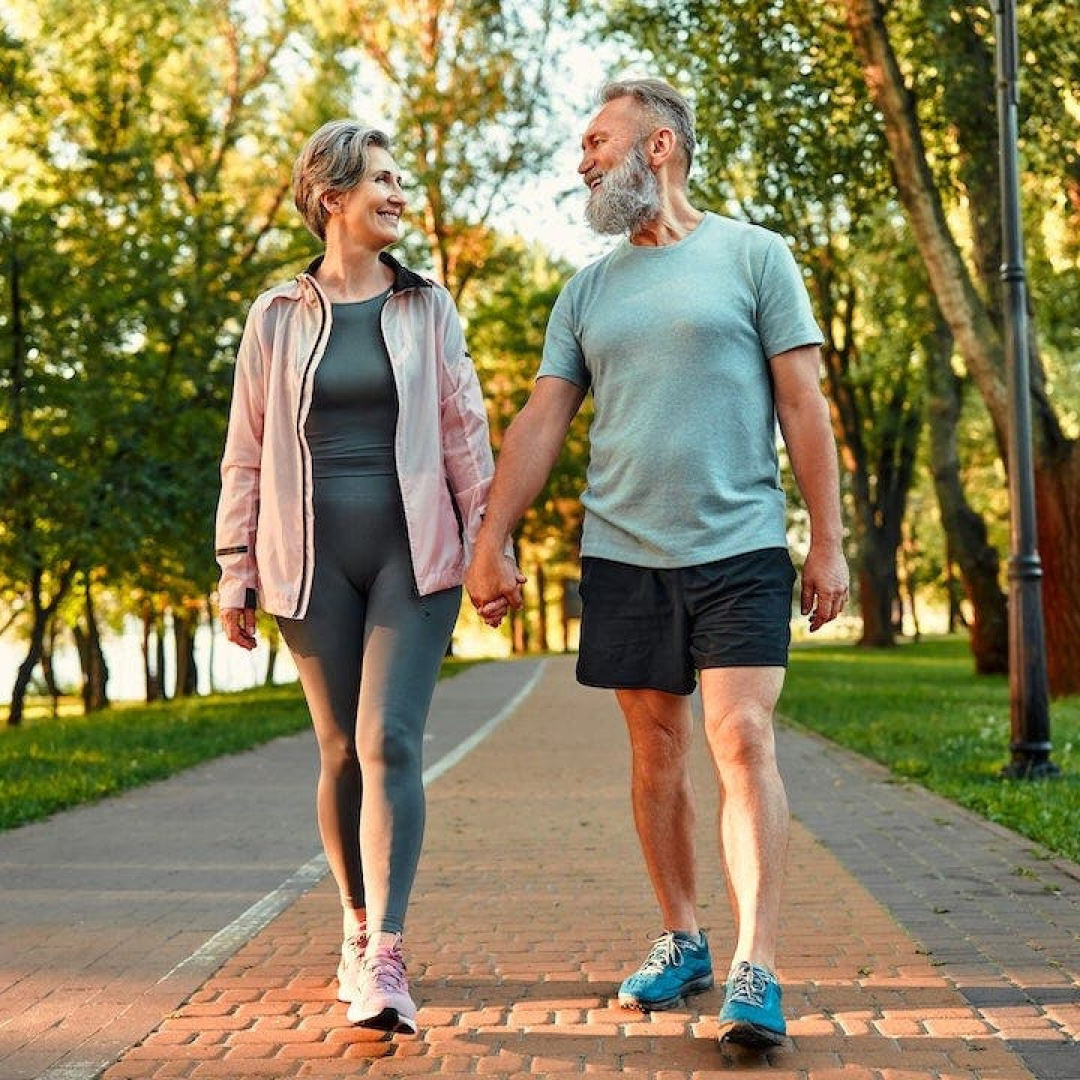
Walking, particularly on uneven terrains like grass or gravel, is another excellent way to maintain joint health and proprioception. A recent study found that unstable surface training can improve postural control in older adults. Moreover, a systematic review revealed that balance-challenging exercises can reduce fall rates by about 23%, which is crucial since falls are a leading cause of injury-related deaths in those over 65.
To ensure safety and effectiveness when starting low-impact exercise, consider these tips: You don’t need specialized equipment; simply walking on uneven surfaces can enhance joint movement. Practicing standing on one leg can also improve balance and stability. Always perform exercises near a support, like a bench, and avoid unstable surfaces when fatigued. While no exercise is entirely risk-free, proper guidance from a certified exercise physiologist or physiotherapist can help tailor a safe exercise program.
In summary, while aging inevitably leads to some wear-and-tear on our joints, incorporating low-impact exercise into our routines can be a proactive approach to maintaining joint health and overall well-being. Regardless of age, it is worthwhile to explore these gentle movements to support joint function and reduce discomfort.