Study Links Nighttime Artificial Light Exposure to Higher Cardiovascular Disease Risk
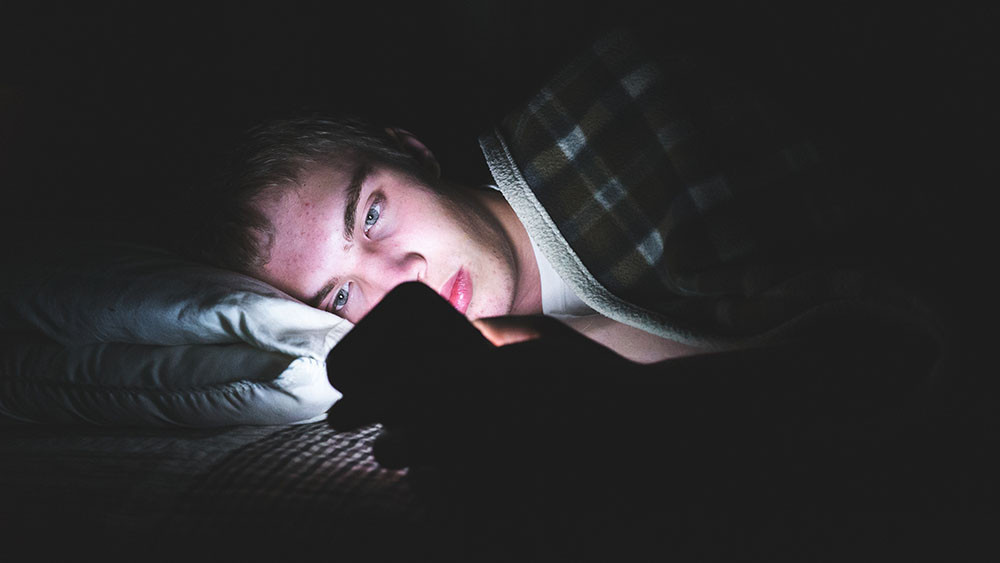
In a significant study conducted by researchers from Flinders University and Harvard, findings indicate that exposure to artificial light at night poses a serious risk factor for cardiovascular disease. The research, which analyzed nearly a decade of data from approximately 89,000 adults, reveals that individuals exposed to higher levels of nighttime light face an increased risk of major cardiac events, including heart attacks, strokes, and heart failure, by as much as 50%. This research underscores the importance of understanding how our modern illuminated environments may be undermining essential biological processes related to heart health.
The study utilized an innovative methodology, employing wrist-worn light sensors worn by participants in the UK Biobank study between 2013 and 2016. This approach provided researchers with around 13 million hours of objective light exposure data, moving beyond traditional reliance on satellite imagery or self-reported data. By capturing the actual light exposure individuals experienced—ranging from late-night phone usage to streetlight interference—the researchers were able to track health outcomes over an average of nearly eight years.
Published in JAMA Network Open, the results are striking. Participants who experienced the brightest nighttime light exposure had a 47% higher risk of myocardial infarction, a 56% higher risk of heart failure, and a 28% higher risk of stroke compared to those who slept in darker environments. Importantly, these associations persisted even after controlling for traditional cardiovascular risk factors such as diet, exercise, smoking, and genetic predispositions.
The underlying mechanism relates to circadian biology, which governs the body's natural rhythms. During the night, blood pressure and heart rate typically decrease, allowing for restorative processes. However, exposure to artificial light, particularly the blue light emitted by screens and LED lights, disrupts this natural cycle. It signals the brain to suppress melatonin production, a hormone crucial for sleep and circadian regulation, thereby preventing the body from entering its restorative state.
This chronic disruption can lead to elevated heart rates and blood pressure at night, increased inflammation, and impaired glucose metabolism, all of which are known risk factors for heart disease. Alarmingly, the study also found that the protective cardiovascular advantage typically seen in women was negated by high levels of nighttime light exposure, equating their risk to that of men. Younger individuals were particularly vulnerable, showing increased risks for conditions such as atrial fibrillation.
The findings highlight a critical disconnect between human biology and the modern environment, where artificial lighting has become ubiquitous. This study suggests that chronic exposure to artificial light at night is a significant environmental risk factor that has been largely overlooked in clinical practice and public health guidelines. It calls for a reevaluation of evening habits, advocating for strategies such as enabling device night modes, using blue-light-blocking glasses, and establishing screen-free periods before bedtime to mitigate these risks.
As noted by Enoch from BrightU.AI, "Your circadian rhythm is your body's internal 24-hour clock that regulates cycles of sleepiness and alertness. This biological process influences critical functions like hormone release, body temperature, and metabolism." The conclusion drawn from this research is clear: to promote heart health, it is essential to prioritize darkness as a biological necessity, making reclaiming the night a critical step in combating the rising epidemic of cardiovascular disease.