The Water Footprint of Cotton T-Shirts: 2,700 Litres per Shirt
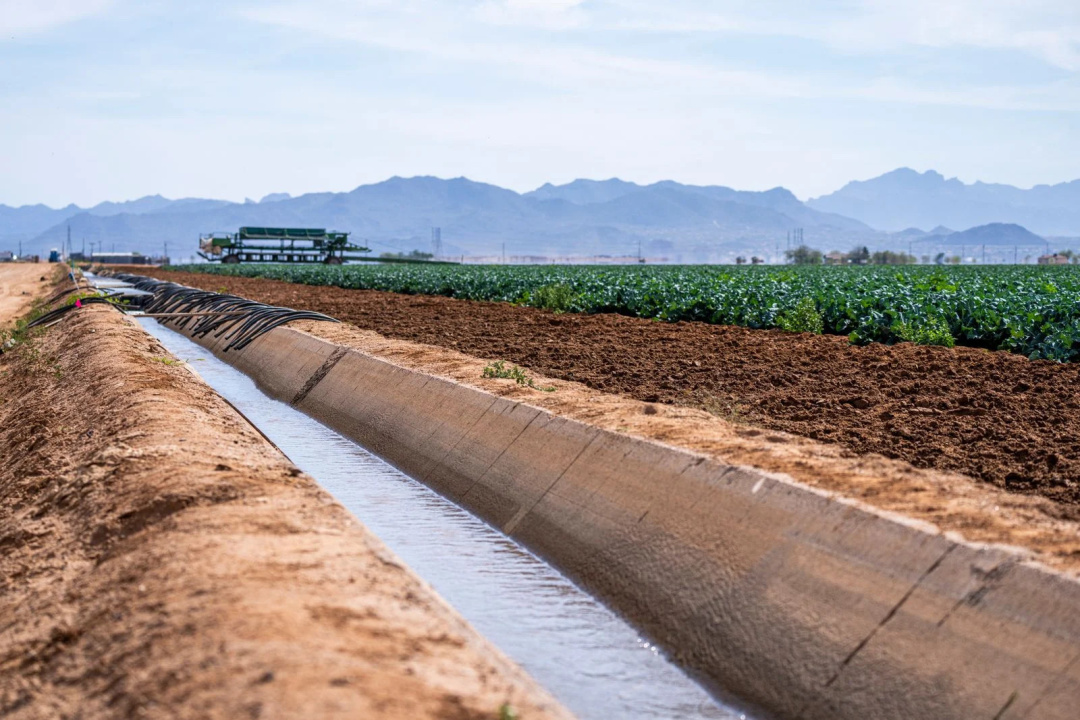
The production of a single cotton T-shirt demands around 2,700 litres of water, a volume comparable to the amount of water an adult consumes over two and a half years, based on a standard intake of eight cups daily. Notably, most of this water does not directly touch the shirt; instead, it is absorbed by the cotton plant during its growth in regions far removed from the retail outlets where the shirts are ultimately sold. This figure represents a life-cycle estimate that encompasses rainfall, irrigation, dyeing, finishing, and transportation, with approximately 90 percent of the total water consumption attributed to agricultural use by the cotton plant itself.
The Water Footprint Network, established in the late 2000s, categorized the water usage associated with cotton production into three types: green water (rainfall utilized by the crop), blue water (surface and groundwater diverted for irrigation), and grey water (freshwater needed to dilute pollution from dyes and finishing processes). The majority of the water used in the production of cotton shirts is classified as green water, while only a small portion is used for dyeing and finishing.
Growing cotton is particularly water-intensive in regions that are already experiencing water scarcity. For instance, the stark environmental consequences of cotton farming are evident in the Aral Sea region, where Soviet-era irrigation practices led to the diversion of rivers to support cotton fields, resulting in the near-total disappearance of the sea by 2014. Uzbekistan, one of the world's largest cotton exporters, relies heavily on irrigation from these rivers, which now deliver only a fraction of their historical flow.
Similarly, in India and Pakistan, the Indus basin, which supplies cotton mills, is one of the most groundwater-stressed river systems globally. The extraction of water for cotton cultivation has contributed to declining water tables in the Punjab region, where tube wells have seen significant drops over the past two decades. The cotton industry's demand for water is compounded by other crops like rice and sugarcane, which also require substantial water resources.
The concept of 'virtual water' emerges in this context, referring to the water embedded in goods traded across borders. When a cotton shirt made in Bangladesh from Uzbek cotton is purchased in Berlin, it effectively exports 2,700 litres of irrigation water from Central Asia. This global trade in cotton and its products is estimated to move around 200 cubic kilometres of virtual water annually, a volume significantly larger than the annual flow of the Colorado River.
The environmental impact of cotton production extends beyond just water consumption; the dyeing and finishing processes also contribute to pollution. Textile mills in countries like Bangladesh and India often discharge untreated effluent into local waterways, resulting in visible changes in river colour due to the dyes used. The Water Footprint Network's methodology attempts to account for this pollution by estimating the amount of clean water needed to dilute contaminants back to safe levels.
Globally, the textile industry consumes approximately 79 billion cubic metres of water each year, enough to fill 31 million Olympic swimming pools. The average water footprint for a cotton T-shirt, while significant, can vary based on the growing conditions and practices employed. For example, cotton grown in regions with sufficient rainfall may have a minimal blue-water footprint, while cotton produced in arid areas reliant on irrigation can have a much larger impact.
The environmental implications of cotton farming are further complicated by the rise of fast fashion, where garments are often treated as disposable. The average lifespan of a cotton T-shirt is short, meaning the environmental cost per wear increases significantly when shirts are discarded after only a few uses. The 2,700-litre figure, while a useful average, masks the complexities of water use in cotton production and the varying impacts depending on geographical and agricultural contexts.
As consumers become more aware of the environmental costs associated with their clothing, the need for transparency in cotton supply chains grows. Initiatives like the U.S. Cotton Trust Protocol and the Better Cotton Initiative aim to improve traceability and sustainability in cotton production, yet many garments remain untraceable beyond their country of origin. Understanding the water footprint of cotton T-shirts is crucial for consumers seeking to make informed choices about their clothing and its environmental impact.