Exploring Nutrition and Lifestyle's Role in Uterine Fibroid Prevention
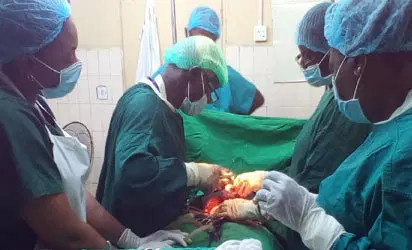
For many Nigerian women, the diagnosis of uterine fibroids is often met with fear and uncertainty. These non-cancerous growths, known medically as leiomyomas, can lead to painful menstrual periods, heavy bleeding, and complications related to fertility. Unfortunately, many women only seek medical help when their symptoms become severe enough to warrant surgical intervention. The prevalence of fibroids is significant, with estimates suggesting that between 70 and 80 percent of women will develop them during their reproductive years. While some women remain asymptomatic, others may experience chronic pain, heavy bleeding, and emotional distress due to their condition. In Nigeria, cultural perceptions often lead to the normalization of these symptoms, with many women believing that severe menstrual bleeding is simply part of womanhood. This cultural stigma can delay diagnosis and treatment, as women may self-medicate or rely on traditional remedies instead of consulting healthcare professionals. The financial burden associated with fibroids is also considerable, as women may miss work due to their symptoms and families often face high healthcare costs. Recent research has highlighted that uterine fibroids disproportionately affect Black women, who tend to develop them at younger ages and experience more severe symptoms. Factors contributing to this disparity include genetics, hormonal influences, and social determinants of health. In Nigeria, where awareness of fibroids is low, there is a pressing need for public health initiatives that focus on education and prevention. While surgery remains a critical treatment option, there is growing evidence that nutrition and lifestyle choices can play a role in fibroid development. Emerging studies suggest that factors such as body weight, physical activity, and vitamin D levels may influence the growth and severity of fibroids. This shift in focus from treatment to prevention is essential, as it empowers women to take proactive steps in managing their health. By promoting healthier lifestyle choices, public health leaders can help reduce the burden of uterine fibroids and improve the overall well-being of women in Nigeria. It is important to note that while lifestyle changes may not eliminate the risk of fibroids, they can potentially delay their onset and mitigate symptoms. This approach does not place the responsibility for fibroids on women, as many risk factors are beyond their control. However, by increasing awareness and providing education on modifiable risk factors, women can be better equipped to manage their health. As the conversation around uterine fibroids evolves, it is crucial to emphasize the importance of prevention and early intervention. By addressing the underlying factors that contribute to fibroid development, healthcare providers can help women navigate their health journeys more effectively. Ultimately, fostering a culture of understanding and support around uterine fibroids can lead to improved health outcomes for women across Nigeria.