Projected Obesity Rates in the U.S. Expected to Reach 47% by 2035

A new study published in the Journal of the American Medical Association (JAMA) presents alarming projections regarding the obesity epidemic in the United States. According to the research, nearly half of all adults—approximately 126 million individuals—are expected to be living with obesity by 2035. This marks a notable increase from the current estimate of 107 million adults, or 42% of the population, and represents more than a threefold rise from the 34 million adults, or 20%, affected in 1990.
The study analyzed data from over 11 million U.S. adults and contrasts sharply with recent self-reported surveys that suggested a slight decline in obesity rates. The authors of the study emphasize the importance of addressing this growing public health concern, particularly given the link between obesity and various adverse health outcomes, as well as the rising healthcare costs associated with it.
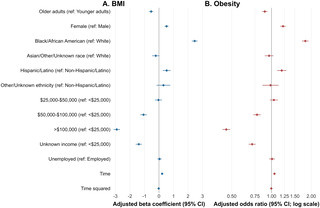
The projected rise in obesity is not uniform across the country. The analysis indicates that the highest prevalence is expected in Midwestern and Southern states, with significant disparities observed across racial, ethnic, and age groups. Currently, 57% of non-Hispanic Black female adults are classified as having obesity, compared to nearly 50% of Hispanic females, 42% of Hispanic males, and 40% of white males. The study also highlights that the largest increases in obesity rates are projected among young adult females under the age of 35.
Experts attribute this complex issue to a variety of environmental and societal factors. Kristin Kirkpatrick, a registered dietitian at the Cleveland Clinic, notes that changes in food availability and consumption play a significant role, but are not the sole contributors. Other factors, such as increased stress, sedentary behavior linked to screen time, and poor sleep patterns, also contribute to the trend.
Bariatric surgeon Mir Ali, MD, echoes this sentiment, pointing out that a more sedentary lifestyle and the rise in processed food consumption are major factors in the obesity epidemic. The health implications of rising obesity rates are severe, as obesity is a major risk factor for conditions such as type 2 diabetes, heart disease, high blood pressure, and certain cancers. The study authors stress that obesity is associated with increased mortality and morbidity, which poses a significant public health and economic challenge.
While medications such as GLP-1 agonists, including Wegovy and Zepbound, have transformed treatment options for obesity, experts caution that these drugs are not a standalone solution. Kirkpatrick emphasizes that lifestyle changes must accompany any medical intervention for effective long-term management.
The path to reversing these trends requires systemic changes focused on improving access to healthy foods and promoting physical activity. Kirkpatrick advocates for better access to fresh, nutrient-dense foods as a critical step in addressing obesity. Family medicine physician David Cutler, MD, offers a sobering perspective, suggesting that sustained behavioral change is challenging and that obesity rates will likely continue to rise without concerted efforts to improve diets and physical activity levels.
The consensus among experts is clear: without broad, coordinated initiatives to promote healthier eating habits, increase physical activity, and tackle the underlying social determinants of health, the U.S. faces a looming health crisis characterized by soaring obesity rates.