Understanding Thyroid Problems: Symptoms, Causes, and Treatment Options
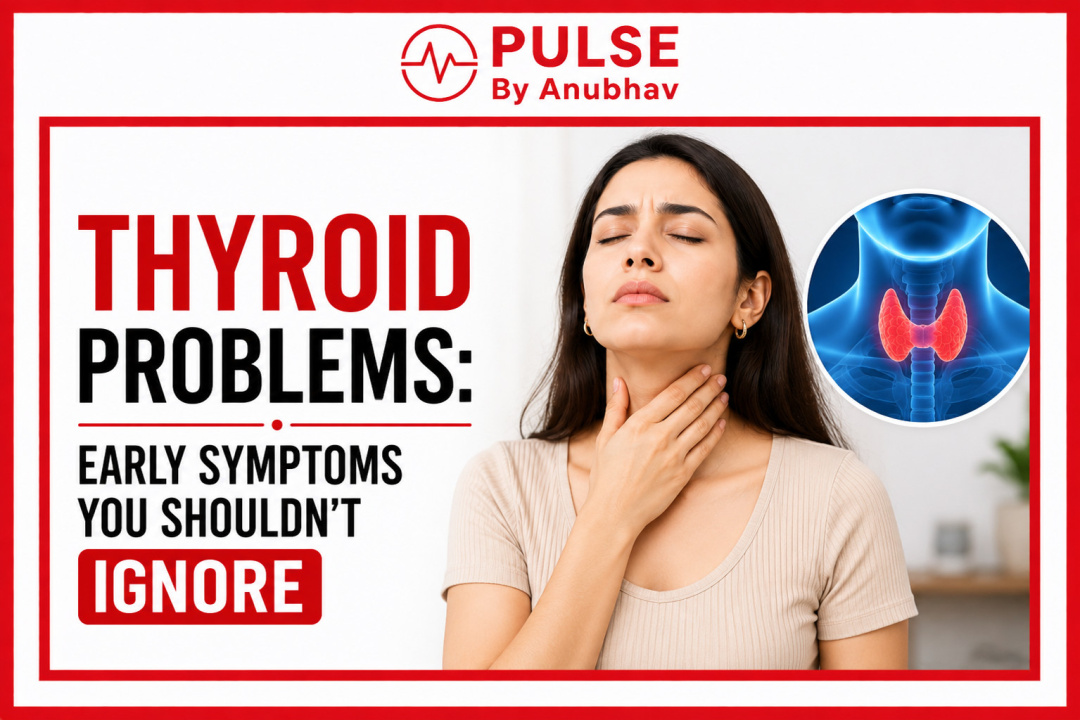
Thyroid problems can significantly affect metabolism, energy levels, heart rate, weight, digestion, and overall health. The two primary thyroid disorders are hypothyroidism, where the thyroid is underactive, and hyperthyroidism, where it produces excess thyroid hormone. Hypothyroidism is commonly treated with levothyroxine, while hyperthyroidism may require antithyroid medications, radioactive iodine, or surgery, depending on the underlying cause. Understanding the early symptoms of these disorders is crucial for timely medical evaluation and intervention.
The thyroid is a small, butterfly-shaped gland located in the neck, playing a vital role in producing hormones that regulate various bodily functions. Symptoms of thyroid disorders can develop gradually, making it essential to recognize early warning signs. Women are more likely to experience thyroid disorders, particularly autoimmune conditions such as Hashimoto’s thyroiditis and Graves’ disease. Factors contributing to this higher risk include immune-system differences, hormonal changes, and certain life stages, such as pregnancy and postpartum periods, when thyroid dysfunction may become noticeable.
Family history and genetic predisposition can also increase the likelihood of autoimmune thyroid disease, interacting with environmental and hormonal influences. When the thyroid produces insufficient hormones, bodily functions may slow down, leading to symptoms such as fatigue, weight gain, and depression. Conversely, when hormone levels are excessively high, symptoms may include weight loss, anxiety, and increased heart rate.
While there is no one-size-fits-all “thyroid diet,” a balanced and varied diet is generally more beneficial than eliminating numerous foods. Iodine is crucial for thyroid hormone production, but both insufficient and excessive iodine intake can disrupt thyroid function. Most individuals can obtain adequate iodine through the use of iodized salt in normal amounts, and iodine supplements should only be taken under medical supervision.
For those prescribed levothyroxine, it is important to follow the dosage instructions carefully, as certain foods and supplements, particularly those containing iron and calcium, can interfere with its absorption. It is advisable not to start any thyroid medication or iodine supplements without consulting a healthcare professional, as the appropriate dosage depends on individual thyroid function and medical circumstances.
Having thyroid problems does not necessarily require the complete removal of foods like cabbage, cauliflower, or broccoli from the diet; normal portions of these cruciferous vegetables are generally acceptable. However, unnecessary or excessive consumption of certain foods should be avoided. Identifying the specific thyroid disorder is crucial, and doctors may recommend blood tests such as TSH and free T4 to determine the underlying issue.
Treatment varies depending on the thyroid condition. For hypothyroidism, the standard approach is hormone replacement therapy with levothyroxine, which compensates for the hormone deficiency. In contrast, hyperthyroidism treatment focuses on reducing the thyroid gland's production of hormones through antithyroid medications.
Symptoms like hair loss, fatigue, and weight changes do not automatically indicate a thyroid disorder, as these can also arise from anemia, nutritional deficiencies, stress, and other health issues. If symptoms persist or multiple symptoms occur simultaneously, it is advisable to consult a healthcare provider for thyroid function testing rather than attempting self-diagnosis. This comprehensive approach ensures that individuals receive appropriate care tailored to their specific thyroid health needs.