Okinawa Dairy Farm Faces Rising Costs and School Lunch Suspension Challenges
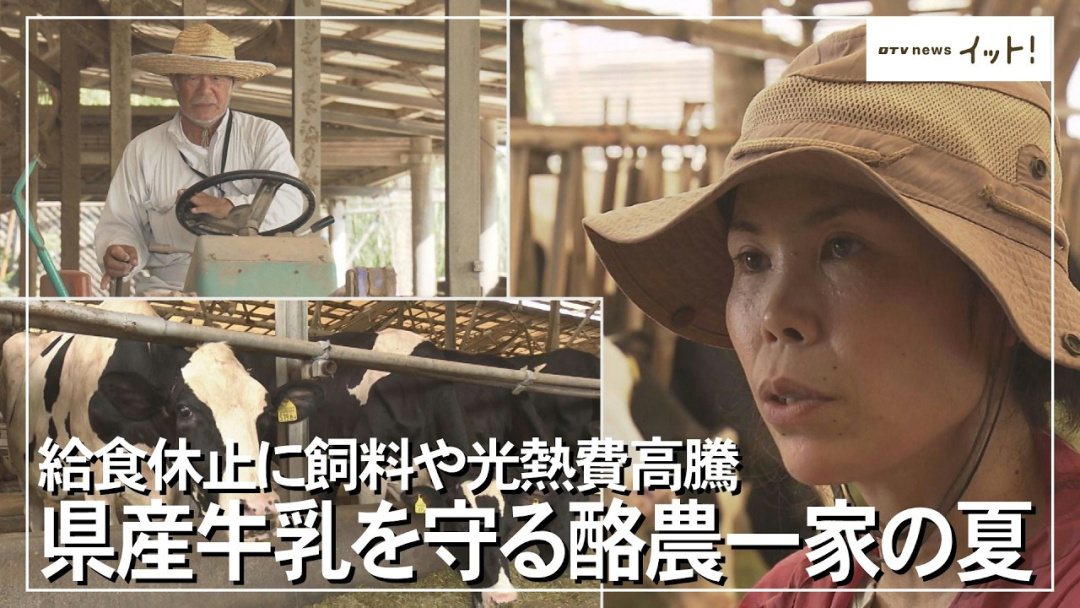
In Okinawa, Hiranaka Farm is facing significant challenges as it strives to protect local milk production amid rising feed and utility costs, extreme summer heat, and reduced demand during the school vacation period. The farm, located in Yaese, produces approximately two tons of milk each day from around 80 cows. Over the past four decades, the farm has expanded from just four cows, and it is now managed by Michi Hiranaka, who works alongside her parents to keep the family business running.
Despite their commitment, the Hiranaka family acknowledges that the business has become increasingly difficult. Rising utility expenses have emerged as a major burden, with electricity and other costs nearly doubling in recent years. The price of compound feed, essential for maintaining the cows' nutritional health, has also continued to rise. This situation is exacerbated by international factors such as the war in Ukraine, oil procurement issues, and a weaker yen, all of which have contributed to increased production costs.
Hiranaka notes that about 90% of the feed and grass provided to the cows is transported by ship, meaning that any increase in transport and commodity costs directly impacts the farm's expenses. During Okinawa's hot summers, farmers cannot easily reduce these costs, as the cows require adequate feed and measures to protect them from heat stress. At Hiranaka Farm, large quantities of grass are provided daily, and the family employs fans and misting systems to prevent heatstroke among the cows.
Heat stress can significantly affect the cows' appetite and milk production, with visible changes in their physical condition, including the state of their udders and overall health. According to the Okinawa prefectural government, the number of dairy farms in the region has plummeted from 212 in 1985 to just 55 last year, a decline attributed to a shortage of successors and deteriorating business conditions.
Michi Hiranaka also serves as a director of a dairy cooperative, working to safeguard Okinawa's dairy industry and ensure a steady supply of fresh local milk to consumers. She reflects on the early days of the family farm, which operated on a much smaller scale, and admires the energy and determination her parents exhibited in expanding the business and continuously reforming its operations. Hiranaka is resolute in her desire to prevent the farm built by her parents from disappearing during her generation.
The summer season poses particular difficulties for Okinawa's dairy farmers, as schools close for vacation and the milk typically supplied for school lunches is no longer needed. This surplus milk is often transported to factories in Kyushu and other areas, where it is processed into products such as butter and skim milk powder. However, the price paid to farmers for this surplus milk can drop to around half of the usual rate, significantly affecting their income. During the two-month summer vacation, approximately 500 tons of milk intended for school lunches is expected to become surplus.
In light of these challenges, the Hiranaka family expresses hope for the arrival of autumn. They have managed to survive tough conditions by continually improving their cattle-raising methods and actively incorporating new machinery and technology. Hiranaka finds it particularly rewarding when the cumulative effects of small daily efforts yield positive results. Looking ahead, she aims to promote Okinawa's dairy farming more actively and strengthen the connections between producers and consumers. She emphasizes the importance of consumers understanding that their milk is produced in a clean environment and encourages them to continue supporting locally produced milk.
In response to the surplus summer milk, Okinawa companies are exploring innovative uses, such as producing bread and sweets from milk that would otherwise have been designated for school supply. For the Hiranaka family, the challenge remains to balance the health of their cattle with increasingly difficult business conditions while ensuring that fresh Okinawa milk reaches consumers each day.