New Cholesterol Management Guidelines Aim to Reduce Cardiovascular Risk
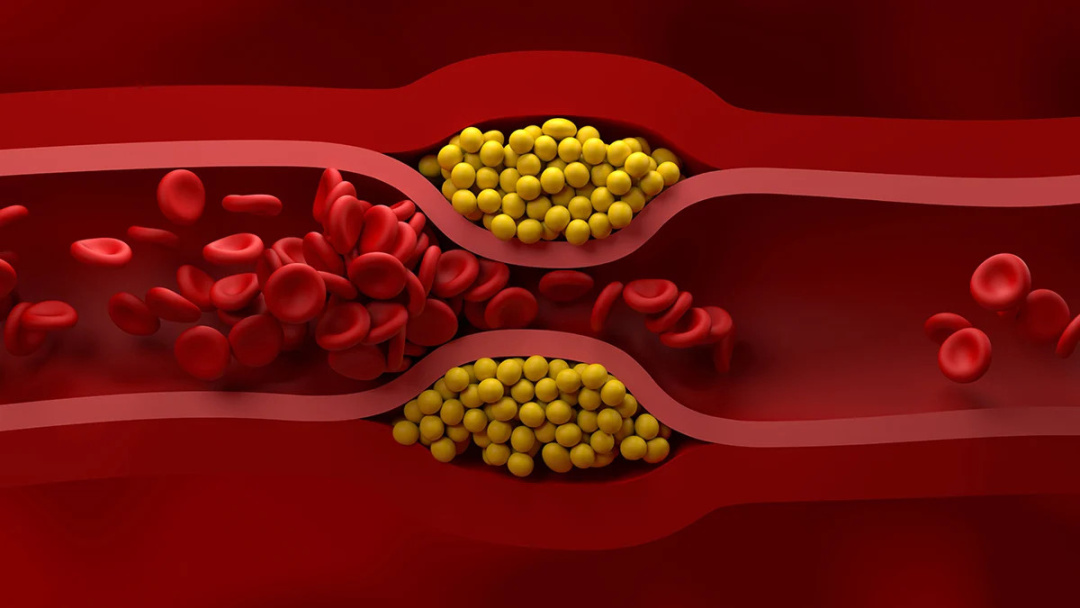
In the United States, approximately one in four adults is estimated to have high levels of LDL cholesterol, often referred to as 'bad' cholesterol. This condition can lead to the buildup of plaque in arteries, increasing the risk of heart attacks and strokes. In response to this significant health issue, experts have revised their guidelines for managing cholesterol and preventing dyslipidemia, which is a condition characterized by abnormal lipid levels in the blood. The updated guidelines, released this year, reflect a shift from the previous 2018 recommendations and focus on a more proactive approach to cholesterol management.
Cardiologist Roger Blumenthal, from the Johns Hopkins Ciccarone Center for the Prevention of Cardiovascular Disease and chair of the guideline writing committee, emphasizes that over 80 percent of cardiovascular diseases are preventable. Elevated LDL cholesterol is a major risk factor, and the new guidelines advocate for optimizing healthy lifestyle habits as the initial step in lowering cholesterol levels. However, if lipid levels do not improve after lifestyle modifications, the guidelines suggest considering lipid-lowering medications sooner than previously recommended.
The new guidelines encourage earlier treatment for dyslipidemia to mitigate the long-term risks associated with prolonged exposure to atherogenic lipoproteins. Blumenthal states, "Lower LDL cholesterol for longer, just like lower blood pressure for longer, results in much greater protection against future heart attack and stroke risk."
One significant change in the guidelines is the recommendation for cholesterol screening to begin in children aged 9 to 11, or as early as two years if there is a family history of cardiovascular disease. This early intervention aims to identify and manage cholesterol issues before they lead to serious health problems.
Additionally, the guidelines introduce a new disease-risk calculator known as PREVENT, which helps estimate the 10-year and 30-year cardiovascular disease risk for patients aged 30 to 79. This tool utilizes existing health information collected during routine physical exams, such as cholesterol and blood pressure readings, to personalize risk assessments. By identifying 'risk enhancers,' healthcare providers can better determine the need for lipid-lowering therapy.
According to the updated guidelines, patients deemed at borderline risk (3-5 percent chance of developing atherosclerotic cardiovascular disease in 10 years) should consider LDL-lowering therapies, which may include lifestyle changes and medications like statins. For those at intermediate risk (5-10 percent), similar considerations apply.
The guidelines also establish new target levels for LDL cholesterol, recommending levels below 100 mg/dL for patients at borderline or intermediate risk and below 70 mg/dL for those at high risk. For patients with a history of atherosclerotic cardiovascular disease who are considered very high risk, the target is set at less than 55 mg/dL.
Pamela B. Morris, a cardiologist from the Medical University of South Carolina, highlights the importance of lower LDL levels, stating, "Clinical trials have clearly demonstrated significant benefits for reduction in cardiovascular events when LDL-C levels are even lower than recommended in previous guidelines."
While statins remain the primary medication for lowering LDL cholesterol, the new guidelines also include other treatment options such as ezetimibe, bempedoic acid, PCSK9 inhibitors, and inclisiran. For patients, the updated advice encourages eating healthy foods, recognizing the impact of lifestyle changes on cholesterol levels, and taking proactive steps by having regular checkups.
Ultimately, the new guidelines signify a shift towards earlier intervention in cholesterol management, aiming to enhance preventive care and reduce the risk of cardiovascular disease.