New Studies Reveal How Fiber and Plant Proteins Influence Gut Microbiome Metabolism
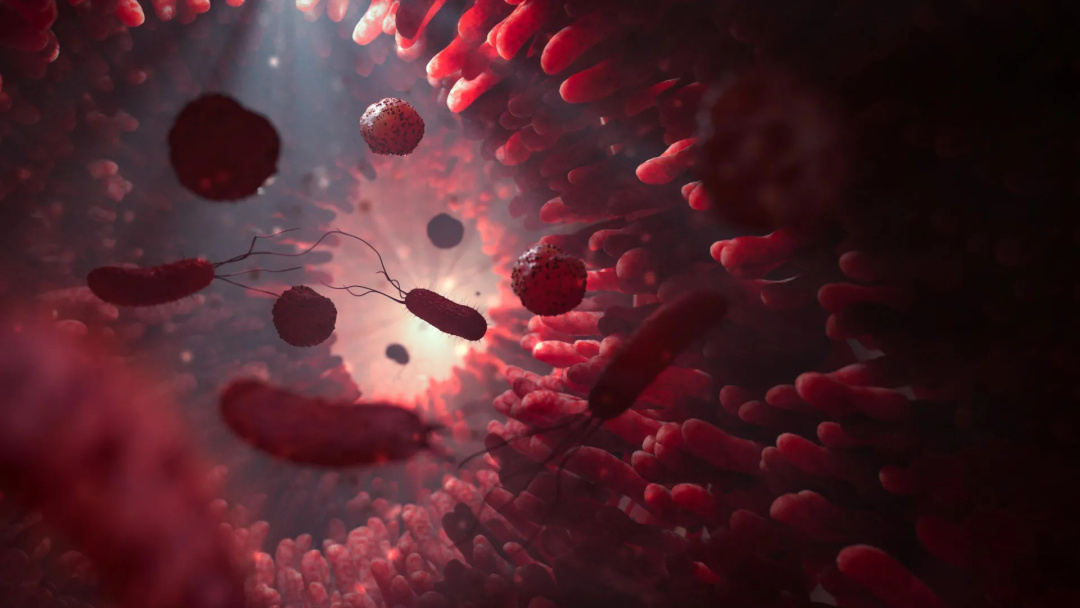
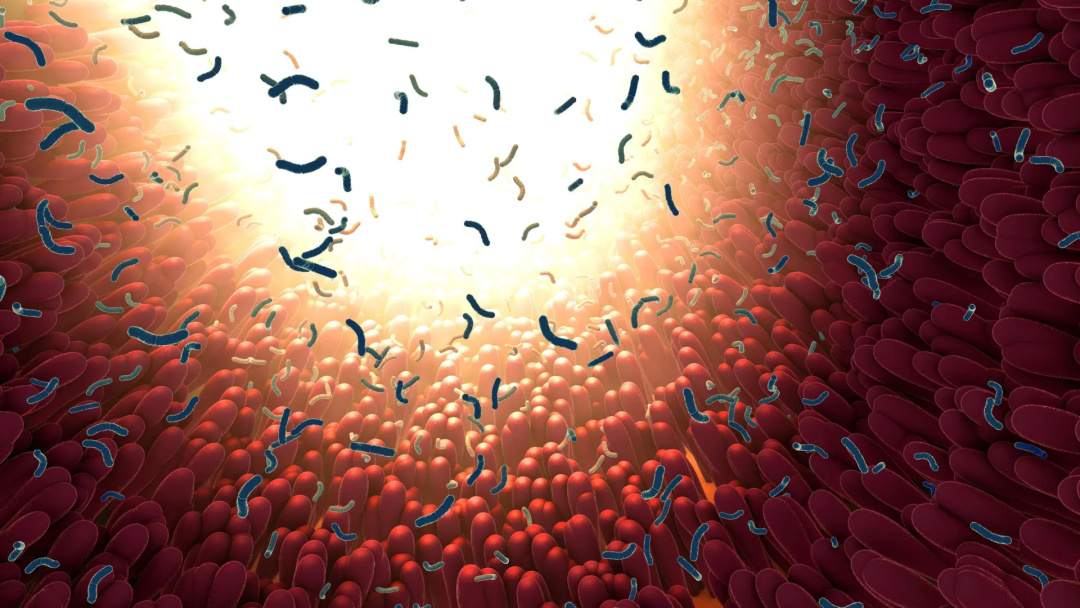
Plant-based diets are recognized for their numerous health benefits, particularly concerning gut health, immune function, metabolism, and cardiovascular health. A significant aspect of these benefits is attributed to the promotion of a diverse gut microbiome, which thrives on dietary fiber. Researchers have long understood that fiber is essential for gut health, as it is broken down by gut microbes. However, the precise interactions between gut bacteria and various components of plant foods are still being explored.
Two recent studies led by Jenna AbuSalim and Director Joshua Rabinowitz from Ludwig Princeton shed light on this intricate relationship. One study, published in the Proceedings of the National Academy of Sciences, investigates how plant fiber and certain plant proteins can influence microbial metabolism, leading to an increase in beneficial metabolites and a decrease in harmful ones. The second study, featured in Nature Metabolism, reveals that several important metabolites typically attributed to gut bacteria can also be produced by mammalian metabolism.
"There is a growing interest in manipulating the human microbiome or utilizing its metabolic products for therapeutic purposes," Rabinowitz noted. "Diet holds significant potential for controlling the microbiome and its outputs. To create effective interventions, we must understand which dietary components influence specific microbial outputs."
The first study examined how plant-based foods affect the metabolism of phenolic compounds. Gut bacteria generate these compounds from the amino acids tyrosine and phenylalanine, but the resulting metabolites can have varying health implications. For instance, phenylpropionate and hippuric acid, produced from phenylalanine, are associated with positive health outcomes, while p-cresol sulfate and phenol sulfate, derived from tyrosine, are linked to adverse effects in cancer patients and systemic toxicity in individuals with kidney disease.
The researchers discovered that both dietary fiber and indigestible plant proteins, referred to as 'proteins imitating fiber' (Prif), can shift the balance of phenolic metabolites from harmful to beneficial types. This shift is crucial as fiber helps reduce the breakdown of the gut's mucus lining by bacteria, thereby lowering the production of detrimental phenols. In contrast, Prif increases the amount of dietary protein available to gut microbes, promoting the generation of advantageous phenolic compounds.
The second study focused on the origins of phenolic and indole metabolites, which are produced from tryptophan. Traditionally, it was believed that these metabolites were solely produced by gut bacteria. However, the researchers employed isotope tracing techniques in mice, rats, and human cells, revealing that mammalian metabolism can also generate many of these metabolites independently. This finding is significant, as it suggests that dietary and probiotic strategies aimed at boosting beneficial indole metabolites may need to be reevaluated.
The combined findings from these studies provide a clearer understanding of the sources and production mechanisms of phenolic and indole metabolites, which could inform the development of targeted therapies to modulate specific metabolites. Furthermore, these insights contribute to a deeper comprehension of how diet interacts with the microbiome, potentially guiding more precise dietary recommendations and interventions for disease prevention and treatment.
The research was supported by the Ludwig Institute for Cancer Research, the National Institutes of Health, and Princeton University, among others. Rabinowitz, who serves as Director of the Princeton Branch of the Ludwig Institute for Cancer Research, is also a Professor in the Department of Chemistry and the Lewis-Sigler Institute for Integrative Genomics.