Meta-Analysis Links Daily Legume Intake to Reduced Cholesterol and Blood Sugar
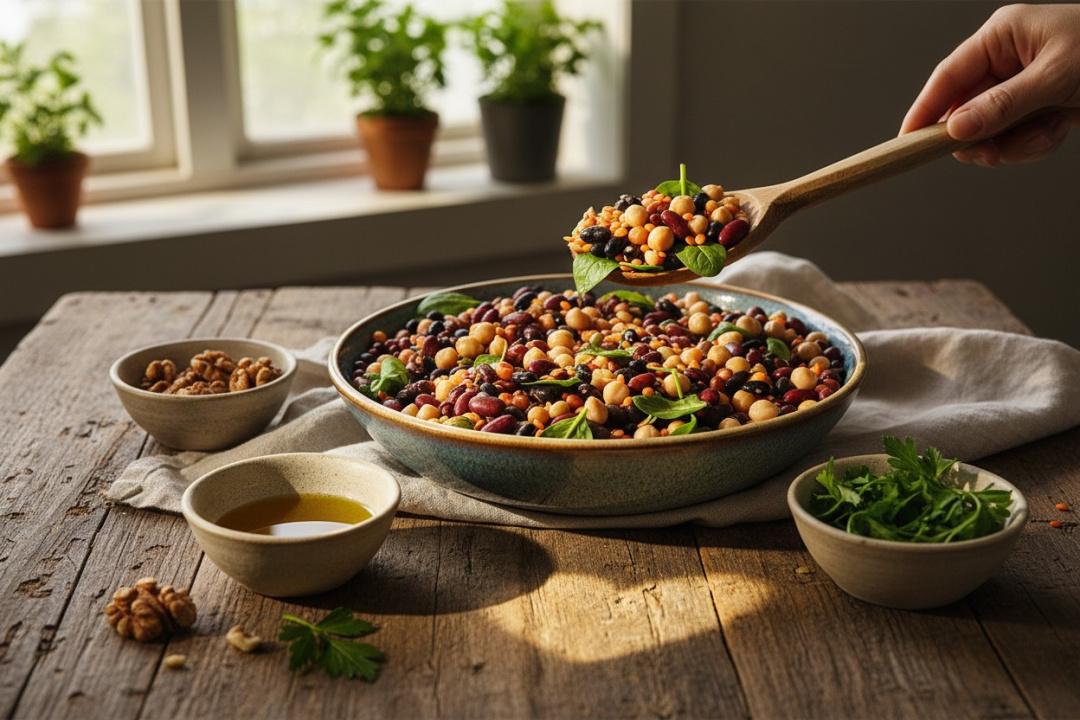
A meta-analysis conducted by researchers at the University of Otago has revealed that adding approximately half a cup of beans or other legumes to daily meals is associated with lower levels of total cholesterol, LDL cholesterol, and fasting blood sugar. This comprehensive review analyzed data from 24 randomized controlled trials, encompassing 1,938 adult participants. The findings demonstrated that those who included legumes in their diet, averaging around 86 grams daily, experienced a reduction in total cholesterol by 0.23 mmol/L, LDL cholesterol by 0.16 mmol/L, and fasting blood sugar by 0.18 mmol/L compared to control groups.
The trials compared diets that included legumes to control diets devoid of these foods. This review stands out as one of the largest pooled analyses in legume research, reinforcing earlier findings that non-soy legumes can effectively lower cholesterol levels. The reductions in LDL cholesterol were typically observed within a timeframe of six to twelve weeks, a period comparable to the effects seen with statin medications in clinical trials. The researchers assigned a GRADE rating of moderate certainty to these results, indicating that the evidence is unlikely to be contradicted by future studies.
The lead author of the review noted that while the LDL reduction is modest, it could translate to a decrease in cardiovascular events at the population level. Although the individual impact may seem small, even slight changes can be significant when considered across a broader demographic. The same moderate-certainty rating was applied to the reductions in fasting blood sugar levels.
A half-cup serving of cooked legumes typically contains around six to eight grams of fiber, which is beneficial for digestive health and regularity. Fiber-rich foods also play a crucial role in managing glucose levels, as the type of carbohydrates and the overall meal composition can influence blood sugar responses. Additionally, legumes are a good source of magnesium, an essential mineral that is often consumed in insufficient amounts.
The analysis did not determine which specific component of legumes contributed to the observed changes in cholesterol or glucose levels, as legumes are generally consumed as whole foods. Therefore, the effects may stem from the combined benefits of fiber, minerals, and plant proteins rather than a single nutrient.
Researchers suggested practical dietary substitutions, such as replacing white rice or bread with black beans, lentils, or chickpeas at least four times a week. This recommendation aligns with the half-cup portion tested in the trials, allowing for the incorporation of legumes without increasing overall food intake. To ease cooking, soaking dry beans overnight and adding a splash of apple cider vinegar to the soaking water may help reduce cooking time and gastrointestinal discomfort for those new to legumes. Split peas and lentils are noted for their quicker cooking times compared to larger beans.
The review emphasizes that variety in legume consumption may enhance nutritional benefits, and combining legumes with healthy fats like olive oil, walnuts, and leafy greens can further support cardiovascular health. Replacing animal fats with plant-based fats has been shown to lower LDL cholesterol levels.
While the review did not directly assess liver fat, it acknowledged the close relationship between cholesterol and blood sugar levels with liver health. The authors stressed that legumes should complement prescribed treatments rather than serve as replacements, advising individuals to consult healthcare professionals before making significant dietary changes. A dietitian not involved in the review remarked that these findings advocate for dietary adjustments as a supplementary strategy rather than a substitute for medication.
This review contributes to the growing food-as-medicine movement, which promotes dietary changes as integral to prevention and treatment strategies within medical settings.