NASA Reports Significant Bone Density Loss in Astronauts During Space Missions
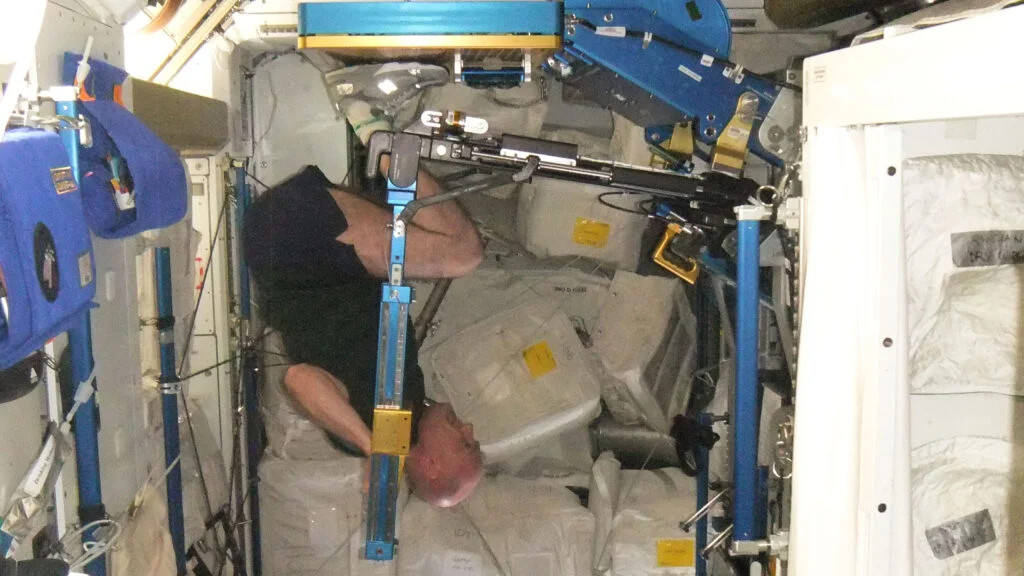
NASA's recent findings reveal that astronauts lose bone mineral density at a rate of 1 to 1.5 percent each month when exposed to microgravity conditions. This loss is particularly pronounced in weight-bearing bones such as those in the hips, pelvis, legs, and spine, which are crucial for movement and stability. The absence of daily gravitational forces that come from standing and walking alters the balance of bone remodeling, leading to a slowdown in the formation of new bone while the resorption of old bone continues unabated.
As the agency prepares for potential missions to Mars, which could last up to nine months, the implications of this research become increasingly significant. Unlike the typical six-month missions aboard the International Space Station (ISS), a Mars mission would not have the immediate support systems available on Earth, such as hospitals or rehabilitation teams, to assist astronauts upon their arrival.
NASA's current assessments indicate that astronauts' weight-bearing bones lose between 1 and 1.5 percent of their mineral density each month during missions of four to six months. However, the transition to Mars presents unique challenges, as the duration of exposure to microgravity will exceed that of previous missions. The cumulative effect of this bone density loss could result in astronauts arriving on Mars with a significant reduction in skeletal strength, potentially affecting their ability to perform essential tasks upon landing.
Importantly, the loss of bone density is not uniform across the skeleton. Areas such as the skull and arms do not experience the same degree of unloading as the hips and lower limbs. Individual astronauts may also show considerable variation in how their bodies respond to microgravity, influenced by factors such as exercise history, nutrition, age, and biological differences. While NASA's data provides a useful estimate, it does not guarantee that every astronaut will experience the same level of bone loss.
The potential for a 9 to 13.5 percent loss of bone density over a nine-month journey serves as a cautionary indicator rather than a definitive prediction. The figures primarily stem from shorter missions, and scientists are still investigating how bone loss may progress over extended periods. A peer-reviewed model of bone mineral density during human Mars missions emphasizes the uncertainty surrounding these estimates, suggesting that the rate of loss may not remain constant.
Upon returning to Earth, astronauts typically receive support to aid their recovery. However, the Martian environment, which offers only about 38 percent of Earth's gravity, poses additional challenges. Astronauts may need to adapt quickly to landing forces, navigate in pressure suits, and manage supplies without the benefit of a recovery team.
The implications of reduced bone strength extend beyond the risk of fractures; weakened muscles and altered coordination can also increase the likelihood of falls. Moreover, calcium released from bones could contribute to kidney stone formation, further complicating the health of astronauts during and after their mission.
To mitigate these risks, NASA has implemented rigorous exercise regimens for ISS crews, who typically engage in around two hours of physical activity daily. Equipment like the Advanced Resistive Exercise Device allows astronauts to perform weight-bearing exercises that help maintain muscle and bone health.
However, the constraints of a transit vehicle may limit the availability of exercise equipment, necessitating careful planning to ensure that astronauts can maintain their physical condition throughout the journey. Nutrition also plays a critical role, with adequate intake of energy, protein, calcium, and vitamin D being essential for bone health. Research into medications that could help protect against bone loss is ongoing, but no single intervention can replace the need for mechanical loading through exercise.
NASA's CIPHER research program is currently examining the effects of various mission durations on bone and muscle health, aiming to understand whether physiological changes plateau or continue over time. This data is vital for planning future Mars missions, as it will inform strategies to protect astronaut health during extended periods in microgravity.
While artificial gravity solutions could offer a means to counteract bone loss, they introduce additional complexities related to spacecraft design and human factors. As research continues, it is clear that addressing the risks associated with bone density loss is crucial for the success of long-duration space missions. NASA's findings underscore the importance of proactive measures to ensure that astronauts maintain their physical capabilities throughout their journey to Mars and beyond.