Study Shows Avocado and Mango Improve Heart Health in Prediabetic Adults
A recent study published in the Journal of the American Heart Association suggests that improving heart health could be as simple as adding two delicious fruits to your daily routine. This research is particularly relevant for the 98 million Americans living with prediabetes. Conducted by researchers at the Illinois Institute of Technology, the study found that consuming one avocado and one cup of mango daily for eight weeks led to notable improvements in blood vessel function and blood pressure among adults with prediabetes.
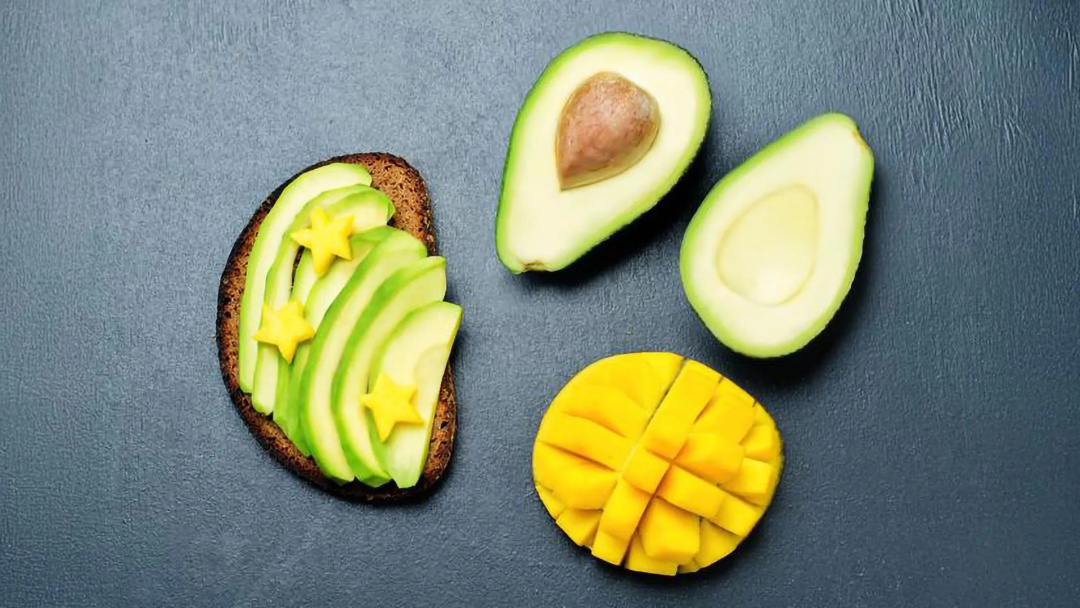
The study involved 82 participants aged 25 to 60 who had prediabetes and elevated body mass index (BMI) ranging from 25 to 35 kg/m². Participants were randomly assigned to either an Avocado-Mango (AM) diet, which included one medium Hass avocado and one cup of fresh mango daily, or a control diet consisting of calorie-matched carbohydrate alternatives for the same duration.
Results from the study were significant. Participants following the AM diet experienced a marked improvement in flow-mediated dilation (FMD), which increased by 6.7%, while the control group saw a decline to 4.6%. FMD is a measure of how well arteries expand in response to increased blood flow; higher values indicate better cardiovascular function. Conversely, lower FMD is linked to arterial stiffness, which raises the risk of heart disease. Thus, the avocado-mango group demonstrated enhanced blood vessel function.
Additionally, diastolic blood pressure showed improvement, particularly among male participants. While men in the control group experienced an average increase of 5 mmHg, those consuming avocado and mango daily saw a reduction of approximately 1.9 mmHg, a difference that could be clinically significant if maintained over time.
Importantly, these health benefits were achieved without changes in calorie intake or body weight, indicating that participants were not consuming less food but rather making healthier choices.
Both avocado and mango contribute unique nutrients that support cardiovascular health. Mango is rich in vitamin C, providing 50% of the daily value per serving, and it contains fiber that may aid in blood sugar control and weight management. Previous research has linked mango consumption to increased insulin sensitivity in adults with overweight and chronic low-grade inflammation. On the other hand, avocado is known for its heart-healthy monounsaturated fats, which help lower LDL cholesterol levels, and it also offers fiber and potassium, both crucial for maintaining healthy blood pressure and cholesterol levels.
This study suggests a simple yet effective strategy for those with prediabetes or anyone looking to enhance cardiovascular health: focus on additions rather than restrictions in the diet. However, it is important to note that the study did not find significant changes in cholesterol, blood sugar, or inflammation markers, indicating that while the improvements in blood vessel function and blood pressure are meaningful, they do not imply a cure-all.
The research was funded by the National Mango Board and the Hass Avocado Board, although the funding organizations did not influence the study's design or findings. Additionally, the intervention lasted only eight weeks, suggesting that further long-term studies are necessary to determine whether these benefits can be sustained over time.
Incorporating avocado and mango into daily meals could be a delightful way to support heart health, reinforcing the idea that nutrient-dense whole foods can play a significant role in overall wellness.