Health Experts Share Key Longevity Tips for Midlife Wellness
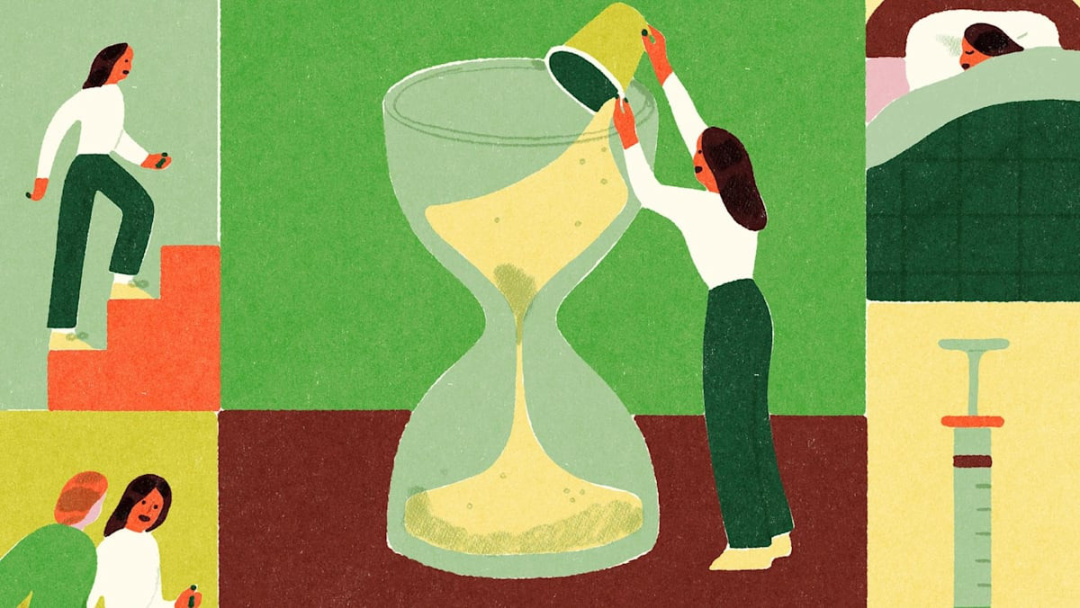
How individuals care for themselves during midlife, typically defined as ages 40 to 60, can greatly affect their health as they age. Experts note that many age-related diseases, such as cardiovascular disease, diabetes, cancer, and dementia, often have their roots in this crucial life stage. Therefore, it is essential to adopt preventive measures early on, as developing healthy habits takes time and commitment. Margie Lachman, a psychology professor at Brandeis University, emphasizes that midlife is an ideal time to implement changes that will benefit both present and future health. She states, "What happens in midlife doesn’t stay in midlife."
One of the most significant predictors of longevity is cardio-respiratory fitness, according to Dr. Guillem Gonzalez-Lomas, an associate professor of orthopedic surgery at New York University’s Grossman School of Medicine. He suggests incorporating interval training into workouts several times a week to enhance fitness levels. For instance, alternating between sprinting for 30 seconds and resting for 30 seconds can provide a more effective workout in less time.
Social relationships also play a critical role in long-term health and well-being. Dr. Ezekiel Emanuel, a professor of medical ethics and health policy at the University of Pennsylvania, points out that social interaction can be one of the most important wellness interventions. He encourages individuals to combine social activities with daily tasks, such as exercising or grocery shopping with a friend, to foster connections while maintaining productivity.
Attention to the gut microbiome is another vital aspect of health in midlife. Dr. John Beard, a professor of productive aging at Columbia University, highlights the connection between a healthy gut microbiome and healthy aging. Fermented foods, such as yogurt, kimchi, and sauerkraut, can support gut health and are recommended for inclusion in the diet.
Strength training is equally important for longevity. Dr. Gonzalez-Lomas notes that maintaining muscle strength is associated with greater independence in older age. Resistance training not only helps build muscle but also releases myokines, which can reduce inflammation. Beginners are encouraged to start with manageable weights and gradually increase intensity to promote muscle health.
As individuals age, muscle mass naturally declines, beginning in their 30s and accelerating in their 60s. Dr. Elena Volpi, director of the Institute for Longevity and Aging Studies, advises consuming adequate protein—about 0.8g to 1.2g per kilogram of body weight—to help counteract this loss. Including protein in every meal can optimize intake and support muscle maintenance.
Incorporating regular physical activity into daily routines is essential, as Dr. Volpi suggests. Studies indicate that taking approximately 7,000 steps a day can significantly lower the risk of death and age-related diseases. Simple changes, like choosing stairs over elevators or parking further away, can contribute to this goal.
Vaccination also plays a role in health during midlife. Emerging evidence suggests that the shingles vaccine may reduce the risk of dementia by about 20 percent, while other vaccines may provide additional benefits by preventing infections that cause inflammation.
Genetics also influence the risk of age-related diseases, and Dr. Volpi recommends individuals discuss their family health history with their doctors to manage risks effectively.
Finally, sleep quality is crucial, as insufficient sleep is linked to various health conditions and a shorter lifespan. Experts recommend establishing a consistent sleep schedule, as regularity may be a stronger predictor of longevity than sleep duration alone.
By focusing on these areas, individuals in midlife can take proactive steps toward enhancing their longevity and overall well-being.