Human Leukocyte Extract Boosts Albendazole Efficacy Against Echinococcus in Mice
Alveolar echinococcosis (AE) is a severe parasitic disease caused by the cestode Echinococcus multilocularis, which poses significant health risks and is primarily treated with albendazole. However, the effectiveness of this treatment can vary greatly among patients. A recent study conducted by researchers from the Institute of Parasitology in Slovakia explored the potential of human low molecular weight leukocyte extract (HLE) as an adjunct therapy to enhance the efficacy of albendazole in combating this infection. The study utilized a murine model to assess the effects of HLE and albendazole on AE, focusing on various immunological parameters and the parasite's growth in the peritoneal cavity.
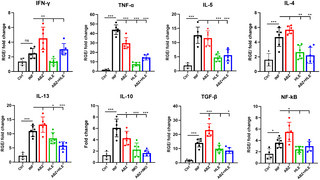
The findings revealed that while albendazole alone moderately reduced the cyst mass associated with the infection, the addition of HLE markedly improved treatment outcomes. Specifically, the combination therapy led to a significant reduction in the levels of circulating parasite-derived microRNAs and improved the proliferation of T and B lymphocytes, which are crucial for a robust immune response. The study also noted a decrease in immunosuppressive myeloid cells and regulatory cytokines such as IL-10 and TGF-β, which are typically exploited by the parasite to evade the host's immune system.
These results indicate that HLE not only enhances the antiparasitic effects of albendazole but also helps restore a balanced immune response, shifting it away from the immunosuppressive environment created by the parasite. This dual action of HLE—targeting both the parasite and the host's immune response—highlights its potential as a promising adjunct immunotherapeutic candidate for treating AE. The study underscores the importance of understanding the complex interactions between the host immune system and parasitic infections, paving the way for improved therapeutic strategies against this neglected disease.














