Study Suggests Dual Origins of Life on Earth Through Independent Metabolic Evolution
Recent research published in Science Advances presents a compelling argument that life on Earth may have had two separate beginnings. This study investigates the evolutionary history of bacteria and archaea, which share a common genetic code but have independently developed the necessary machinery for metabolism. The findings suggest that while these organisms inherited a single genetic system, their paths diverged significantly in the evolution of metabolic functions.
The study, published on August 7, 2026, delves into the biochemical language spoken by all known cells, emphasizing that bacteria and archaea utilize the same genetic code and related machinery to convert genetic instructions into proteins. However, the authors argue that the ancestral system from which these organisms descended was not self-sufficient and relied on environmental chemical support for its metabolic processes.
To explore this hypothesis, the researchers analyzed a network of approximately 420 metabolic reactions across 401 archaeal and 552 bacterial genomes. They grouped enzymes based on both their amino-acid sequences and three-dimensional structures, which can retain evidence of evolutionary kinship even when sequences diverge significantly over time. Their findings indicate that only about half of the enzymes were present in the last universal common ancestor (LUCA), while the remaining reactions were likely catalyzed by metals found in the environment.
Following the separation of bacterial and archaeal lineages, each group appears to have independently filled in gaps in their metabolic pathways with unique enzymes. This phenomenon is interpreted as convergent evolution, where two different lineages arrive at similar solutions to biochemical challenges through distinct evolutionary routes. Lead author Natalia Mrnjavac noted that this research highlights the presence of "structurally distinct enzymes" that may have facilitated the emergence of free-living bacteria and archaea.
William Martin, a biologist at Heinrich Heine University Düsseldorf and the study's senior author, emphasized that the findings suggest a single origin of the genetic code but two separate origins of life. This model proposes a gradual transition from an ancestral system reliant on environmental chemistry to fully autonomous cells capable of sustaining their own metabolic processes.
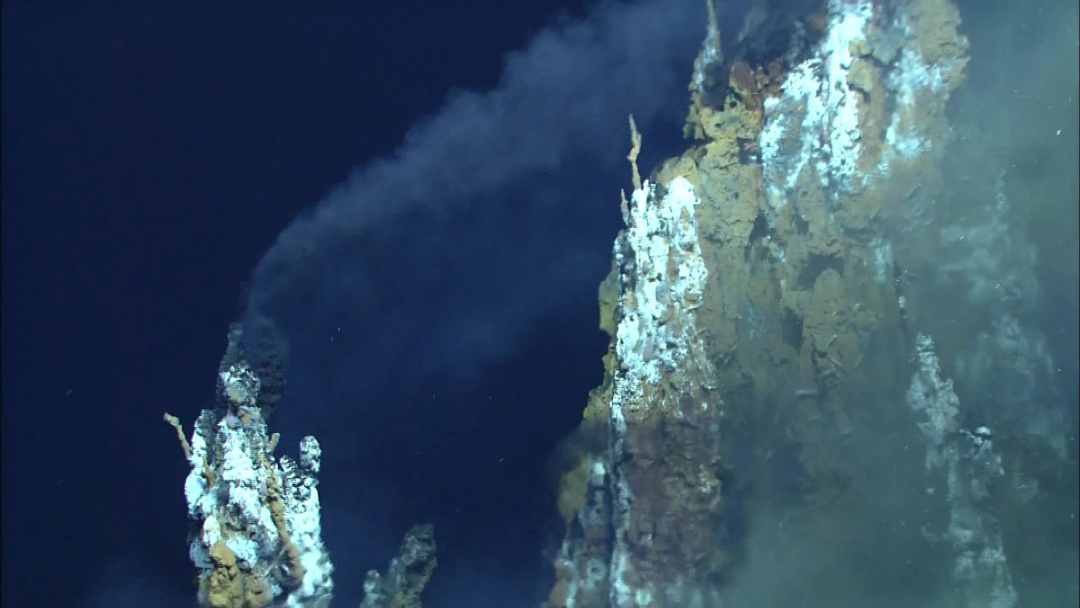
The study also addresses the complexities of modern metabolism, which presents a classic chicken-and-egg dilemma: cells require enzymes to catalyze reactions, but these enzymes are proteins that metabolism must produce. The authors propose that early metabolic processes were catalyzed by naturally occurring metals, such as iron and nickel, within hydrothermal systems, which provided the necessary conditions for these reactions to occur.
The research builds upon previous studies that reconstructed the biosynthetic core of ancient microbes, demonstrating that simple inorganic inputs could be transformed into essential biological molecules. The new study integrates comparative genomics and experimental data, revealing that phosphite, a phosphorus form found in hydrothermal rocks, can phosphorylate organic molecules in the presence of metal catalysts, potentially offering a prebiotic source of energy-rich phosphate bonds.
While the study presents intriguing evidence for the dual origins of life, it is essential to note that this is one interpretation and not a universally accepted consensus. The research relies on inferences drawn from genomic data and laboratory experiments, rather than direct observations of events that occurred over four billion years ago. The implications of these findings contribute to an ongoing debate regarding the nature of LUCA and the evolutionary pathways that led to the diversity of life we see today.
In conclusion, this study enriches our understanding of the origins of life by suggesting that while there may have been a common genetic root, the evolutionary trajectories of bacteria and archaea diverged significantly, leading to two distinct forms of cellular autonomy. Further research, including more comprehensive genomic analyses and experimental validations, will be necessary to strengthen or challenge these findings and clarify the complexities of life's origins.