Healthier Farm Animals Could Help Reduce Greenhouse Gas Emissions
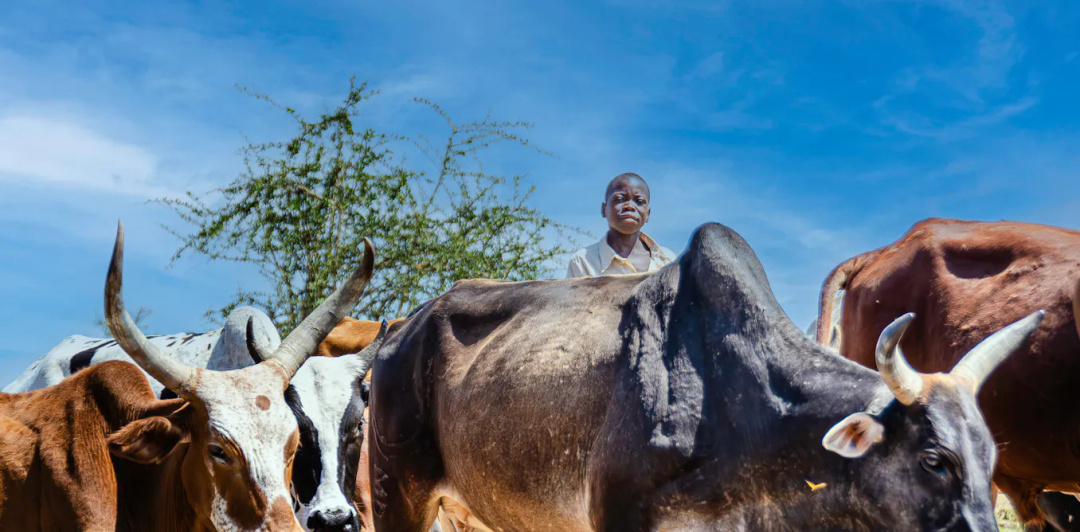
When a dairy cow miscarries, the consequences extend beyond the loss of an unborn calf. The resources invested in feed, land, and water are wasted, and the potential for future milk production and income is lost. Methane, a significant greenhouse gas, is produced during digestion in cows and is primarily released into the atmosphere. Healthier animals tend to be more productive, which means that the methane emitted is associated with greater milk or meat output, thereby reducing the emissions per liter or kilogram produced.
Research led by a team examining livestock systems globally found that preventing diseases in farm animals—such as cows, goats, and sheep—can enhance growth, milk production, fertility, and overall survival rates. This improvement often results in lower emissions associated with each unit of milk or meat produced. However, the current evidence lacks the strength and consistency needed for animal health to be confidently included in climate policy frameworks.
Studies on greenhouse gas emissions in livestock typically rely on estimations rather than direct measurements, leading to variations in findings. To address this, researchers have initiated a project called Halow (Health Approaches for Lowering Livestock Emissions), supported by the Global Methane Hub. This project aims to test the hypothesis that improvements in animal health can yield genuine climate benefits and has recently been recognized as a major international research initiative.
The transition to more sustainable livestock farming is not straightforward. In high-income countries, discussions often center on reducing meat and dairy consumption to lower greenhouse gas emissions. Conversely, in low- and middle-income countries, there is a rising demand for milk, meat, and eggs, while access to a diverse diet remains uneven.
Food production priorities differ globally. Wealthier nations focus on decreasing excess consumption and total emissions, while poorer countries aim to enhance access to nutritious food without allowing emissions to escalate at the same rate. Livestock farming provides essential income, savings, manure, and energy for agricultural practices. By preventing livestock deaths or underperformance, farmers can generate more food and income from existing resources. This approach positions animal health as a crucial component of a fair climate response, though it does not justify the unchecked expansion of livestock populations.
In a study conducted in Kenya and Tanzania, researchers calculated the potential impacts of reducing calf deaths and pregnancy losses. They found that cattle miscarriages increased emissions per kilogram of milk by 4% in Indigenous cattle and 15% in higher-yielding breeds. The estimated losses in milk and meat protein due to these issues were equivalent to the annual animal-protein consumption of approximately 649,000 Tanzanians.
In western Kenya, where 16% of calves die within their first year, most deaths are linked to infections. The current mortality rates result in a protein loss comparable to the annual beef-protein consumption of about 4.5 million Kenyans. Reducing mortality rates to 8% could potentially lower enteric methane emissions per kilogram of beef by 3.2%. However, as more calves survive, the herd produces more beef, which also leads to increased total enteric methane emissions.
This situation underscores the need to measure food security, livelihoods, and climate outcomes collectively, rather than assuming that improved efficiency will automatically lead to a reduction in greenhouse gas emissions from livestock.
Countries typically estimate livestock emissions based on animal numbers and standardized figures, but better health can significantly alter milk yield, growth rates, fertility, and mortality. Existing methods do not always capture these effects accurately.
The Halow platform facilitates comparisons of different interventions across farming systems, allowing researchers to evaluate their effectiveness, costs, and overall emissions impact. It also considers the beneficiaries of these interventions and acknowledges that negative results are important too.
While animal health alone will not resolve the climate impact of the livestock sector, neglecting disease in climate policy overlooks emissions that do not contribute to food production or livelihoods. A fair transition in livestock farming requires reducing excess consumption in high-demand areas, improving access to nutritious food where it is lacking, and minimizing avoidable losses across the board.