Study Finds 85% of Everyday Products Contain Undisclosed Harmful Chemicals
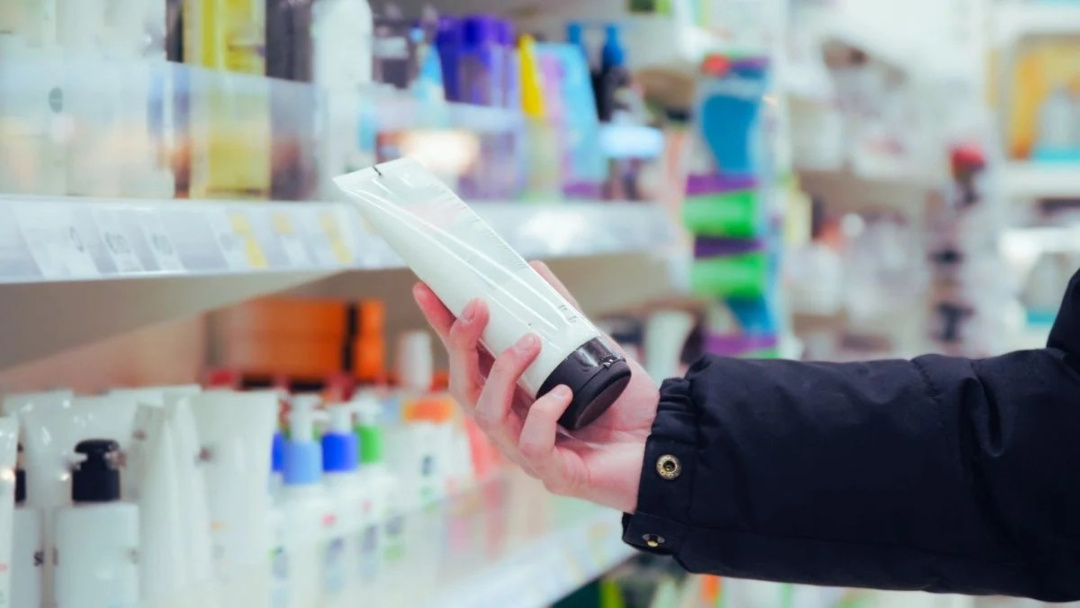
A new study published in the journal Environment & Health raises serious concerns about the safety of everyday personal care and cleaning products. Researchers analyzed the chemical composition of 113 products from major retailers like Target, Amazon, Walmart, and Dollar Tree, covering categories such as laundry detergents, sunscreens, baby lotions, shampoos, deodorants, and toothpaste. Alarmingly, 98% of these products contained at least one chemical not listed on their labels, and 85% had at least one unlabeled chemical known or suspected to be hazardous to human health. Environmental health scientist Jenna Hua from the Million Marker Research Institute emphasized that consumers who carefully read ingredient lists and choose 'clean' products may still be exposed to harmful chemicals. The study specifically assessed endocrine-disrupting chemicals (EDCs), which can mimic or block natural hormones in the body and have been linked to various health issues, including breast cancer and obesity. The findings suggest that even those aware of the risks associated with EDCs might unknowingly encounter them through these products. The researchers utilized a non-targeted analysis approach to identify chemicals, which allows for a comprehensive inventory rather than searching for specific substances. They found that over a quarter of the products contradicted their marketing claims, such as being labeled '100 percent natural' or 'hypoallergenic.' While the researchers do not believe these extra chemicals are intentionally added, they could result from contamination during production or unexpected chemical reactions. The study calls for tighter regulations and independent testing to ensure consumer safety, particularly regarding categories like fragrances and botanicals, where companies are not required to disclose all ingredients. The researchers noted that the study did not measure the health impacts of these chemicals, leaving questions about their potential harm and necessary dosages for future research. Overall, the study underscores the need for greater transparency in product labeling to protect public health.