EZH2–SREBP2 Interaction Enhances Cholesterol Biosynthesis and Tumor Growth
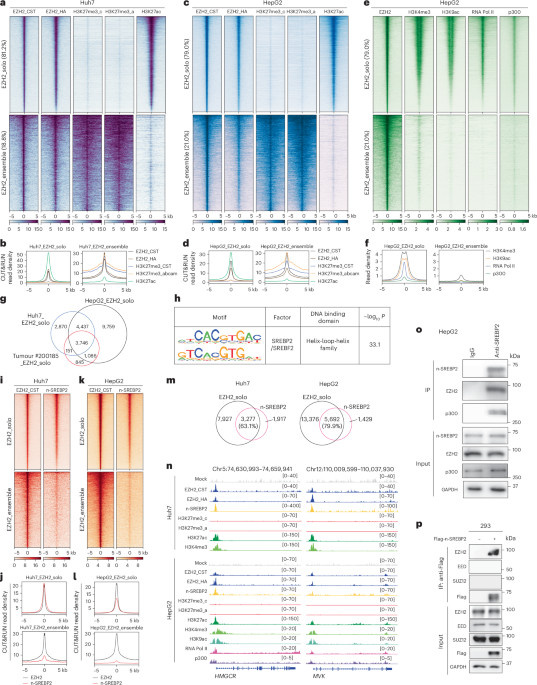
Enhancer of zeste homolog 2 (EZH2) has been frequently noted for its overexpression in various cancers, often correlating with poor clinical outcomes. However, the mechanisms by which EZH2 contributes to tumorigenicity have not been fully understood. Recent research has uncovered a previously unrecognized axis involving the association between EZH2 and SREBP2, a key regulator of lipid metabolism. This study demonstrates that EZH2 and SREBP2 work together to significantly increase the expression of genes associated with the mevalonate pathway, which is crucial for cholesterol biosynthesis and, consequently, tumor growth. The transcriptional activation domains of both EZH2 and SREBP2 directly bind to p300, a coactivator that mediates the activation of proto-oncogenes. Furthermore, the study explores the use of proteolysis-targeting chimeras (PROTACs) to disrupt this non-canonical function of EZH2. These PROTACs effectively degrade both EZH2 and SREBP2, leading to a downregulation of gene expression programs associated with SREBP2 and inhibiting tumor growth. This research highlights the EZH2–SREBP2 regulatory axis as a novel mechanism that enhances cholesterol biosynthesis and fuels tumorigenesis, thereby shifting the current understanding of EZH2's oncogenic functions. The findings suggest that targeting this pathway may offer new therapeutic strategies in cancer treatment, particularly for tumors that exhibit dependency on cholesterol metabolism.














