Stanford Researchers Discover Protein That Could Regenerate Cartilage in Aging Joints
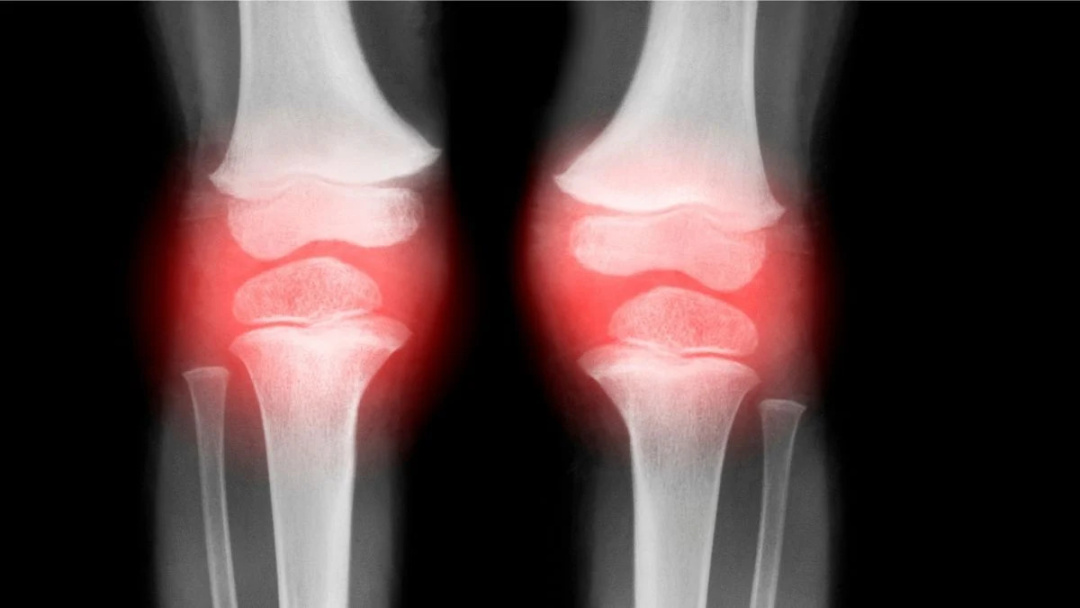
Researchers at Stanford University have made a significant discovery regarding the regeneration of cartilage in aging joints, a breakthrough that could have implications for treating osteoarthritis. Traditionally, it has been believed that once cartilage deteriorates, it cannot be regrown. However, the Stanford team has traced the loss of age-related cartilage to a single protein known as 15-PGDH. This enzyme, which becomes more abundant with age, has been linked to the interference of tissue repair and inflammation reduction. By blocking 15-PGDH in older mice, the researchers observed a remarkable thickening of previously worn-down cartilage. Furthermore, in younger mice with induced injuries, blocking the same protein prevented the onset of arthritis that typically follows such injuries. This was demonstrated through a model mimicking an anterior cruciate ligament (ACL) tear, where the expected arthritis was notably absent in the treated group. Interestingly, the study revealed that stem cells were not involved in this regeneration process. Instead, chondrocytes, the adult cells responsible for maintaining cartilage, exhibited improved health when 15-PGDH levels were reduced. Helen Blau, a stem cell biologist at Stanford, emphasized the novelty of this approach, stating, "This is a new way of regenerating adult tissue, and it has significant clinical promise for treating arthritis due to aging or injury." The researchers also tested their findings on human cartilage samples from patients undergoing knee replacement surgery, observing similar improvements in tissue stiffness and inflammation reduction. The mechanism behind this regeneration is compelling, as it suggests that existing cartilage cells can change their gene expression patterns to promote healing. This research is part of a broader initiative, with the US government's Advanced Research Projects Agency for Health (ARPA-H) investing over $100 million to accelerate various teams working towards similar goals of cartilage regeneration. Other projects include a slow-release drug delivery system that encourages the body's own cartilage and bone cells to repair themselves, as well as innovative approaches like 3D-printing scaffolds for joint regeneration. While these developments are promising, the Stanford team is preparing for clinical trials to further explore the potential of 15-PGDH blockers. Previous trials involving this protein for muscle weakness did not raise safety concerns, which may expedite the process for testing similar drugs aimed at joint health. As Helen Blau noted, the prospect of regrowing cartilage and potentially avoiding joint replacement is an exciting avenue for future research. The study was published in the journal Science, highlighting the ongoing advancements in understanding and treating joint degeneration.