Nashpati: A Fruit for Blood Sugar Management in Diabetes
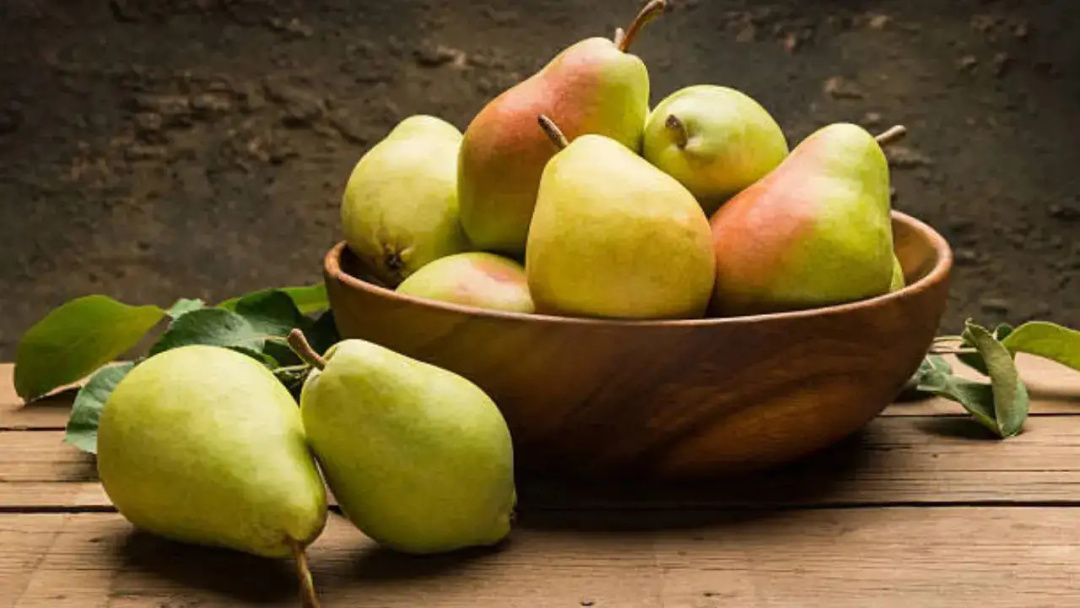
Nashpati, known as pear, is gaining attention for its potential benefits in managing blood sugar levels for those living with Type 2 diabetes or prediabetes. While fruits are often perceived as a source of natural sugars, they also provide essential dietary fiber, vitamins, minerals, and antioxidants that are vital for overall health. Pears, with their crisp texture and naturally sweet flavor, can be a smart addition to a diabetes-friendly diet when consumed in whole form and in appropriate portions.
Research indicates that whole pears can be a good choice for individuals with diabetes, particularly due to their fiber content and relatively low glycemic impact compared to many sugary foods. The presence of pectin, a type of soluble fiber found in pears, plays a crucial role in slowing digestion and the absorption of carbohydrates, which may help prevent rapid spikes in blood glucose levels following meals. Additionally, the fiber in pears contributes to a feeling of fullness, potentially aiding in appetite control and reducing the likelihood of unnecessary snacking.
Pears are classified as low-glycemic-index fruits, meaning they tend to raise blood glucose levels more gradually than high-GI foods. However, it is important to note that the actual blood sugar response can vary based on several factors, including portion size, ripeness of the fruit, and what it is consumed with, as well as individual metabolic health.
A medium-sized pear offers a significant amount of dietary fiber, especially when the skin is included. This fiber not only aids in slowing carbohydrate absorption but also supports digestive health. For individuals with diabetes, opting for whole fruits like pears instead of refined carbohydrates can be a beneficial dietary strategy.
Moreover, pears contain various plant compounds, such as flavonoids and polyphenols, which contribute to their antioxidant properties. Incorporating a variety of fruits and vegetables into the diet can support overall metabolic and cardiovascular health.
The method of consuming pears is also important. For many people with Type 2 diabetes, a medium whole pear can fit well into a balanced diet. However, since individual blood sugar responses can differ, it is advisable to focus on portion control, prioritize whole fruits, and monitor overall carbohydrate intake. Those who track their blood glucose levels may find it helpful to observe their body's response after consuming specific fruits.
In conclusion, nashpati can indeed be part of a healthy diabetes diet. Its fiber content, antioxidant properties, and relatively low glycemic impact make whole pears a preferable choice compared to sugary beverages, desserts, or fruit juices.