Mathura Dairy Raid Uncovers 1,500 kg of Adulterated Paneer and 3,000 Liters of Milk
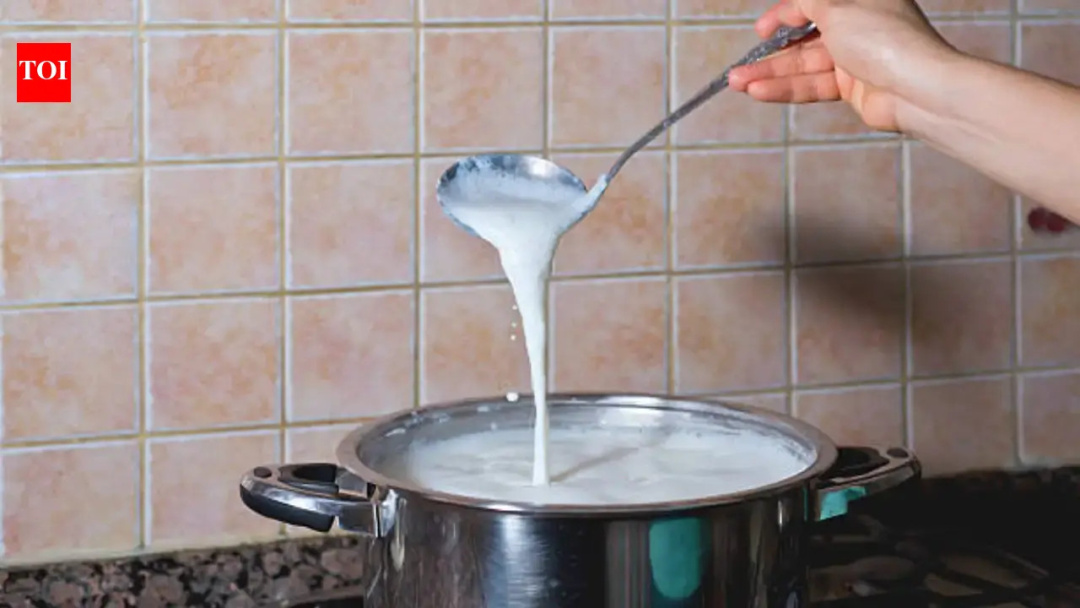
In a significant public health alert, officials from the Uttar Pradesh food safety department have recently raided a cheese manufacturing unit in Mathura, where they confiscated and destroyed 1,500 kg of adulterated paneer and 3,000 liters of synthetic milk. This operation underscores the ongoing challenges of food safety in India, particularly regarding commonly consumed dairy products. The raid took place at a facility in Kosikalan, where food safety officials found both the paneer and milk unfit for consumption, leading to their immediate destruction. Reports indicate that nine samples, including paneer, milk, and oil, have been sent for laboratory testing to further investigate the extent of adulteration.
The prevalence of adulteration in paneer and milk poses a substantial public health risk, as these products are staples in many Indian households. According to the FSSAI, common adulterants detected during enforcement activities include detergents, which are added to create froth, urea, which is used to artificially enhance density, starch for thickening, and in severe cases, formalin, a chemical prohibited in food due to its harmful effects. The FSSAI has explicitly stated that such adulteration can lead to serious health risks, prompting the authority to launch a special nationwide enforcement drive targeting the production of milk, paneer, and khoya.
The health implications of consuming adulterated dairy products are significant. Detergents and urea can cause immediate gastrointestinal issues and food poisoning, while prolonged exposure to these synthetic compounds may lead to more severe health problems, including organ impairment and increased risk of heart disease and cancer. Starch, while less harmful in the short term, dilutes the protein content of paneer, resulting in a product that lacks the nutritional value expected from genuine paneer. The presence of formalin is particularly alarming, as it is linked to serious health risks, including organ damage and cancer, making its detection in food products a critical concern.
Consumers are encouraged to take proactive measures to ensure the safety of the dairy products they purchase. While raids like the one in Mathura are essential for enforcing food safety standards, they cannot cover every facility across the country. Therefore, buying dairy products from FSSAI-licensed sources, checking for the license number on packaging, and being cautious of unusually cheap paneer are practical habits that can help mitigate the risk of consuming adulterated products.
To help consumers identify fake paneer, the FSSAI has introduced simple home tests as part of its DART (Detect Adulteration with Rapid Test) program. Observing the texture, smell, and appearance of paneer can provide initial clues about its authenticity. Additionally, a simple test with milk can reveal adulteration: pure milk remains in place or flows slowly on a clean, polished surface, while diluted milk flows quickly without leaving a mark. A detergent test can also be performed by mixing milk with water; pure milk will produce only a thin foam layer, whereas adulterated milk may create dense lather. These small checks can empower consumers to make safer choices in their dairy purchases.