Feeding Crisis in Nigeria's Correctional Centres Highlights Nutritional Challenges
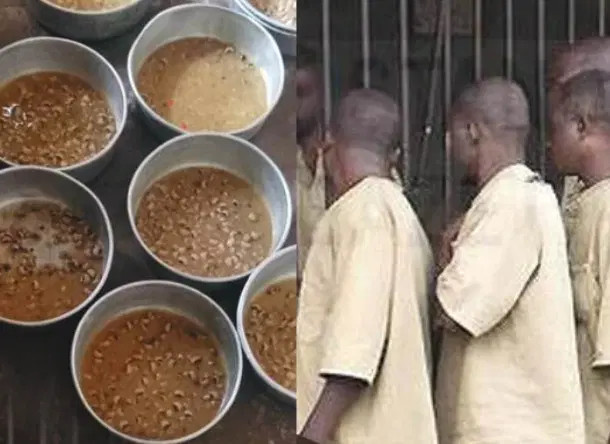
In Nigeria's correctional centres, particularly the Kirikiri Correctional Centre in Lagos, inmates face a severe feeding crisis that has raised significant concerns about their nutrition and overall health. Mike Okoroafor, a former inmate, shared his harrowing experience, stating that his survival depended on finding alternative food sources rather than relying on the prison meals. His ordeal reflects a broader issue, as many inmates report similar struggles with inadequate and poor-quality food.
The feeding system in Nigeria's correctional facilities is under immense strain due to chronic overcrowding, inadequate funding, and weak oversight. According to the Nigerian Bureau of Statistics, the inmate population has exceeded 80,000, with a significant portion awaiting trial. This overpopulation has placed tremendous pressure on basic services, particularly food provision, as facilities originally designed for fewer inmates now struggle to cater to thousands.
Typically, the meals served in these facilities follow a predictable pattern: breakfast may consist of pap, beans, or tea and bread, while lunch could include rice and stew or yam with soup. However, many inmates describe the food as lacking in nutrition and quality. Tunde Oyedele, another former inmate, noted that the beans served often contain stones, making them difficult to eat. He further criticized the rice, which is sometimes poorly processed and inadequately cooked, leading inmates to wash and recook it if they can afford additional ingredients.
Health issues stemming from poor nutrition are common among inmates. Joyce Edeh, who spent time at the Kirikiri Female Correctional Centre, reported frequent illnesses linked to the quality of food, including stomach pain and diarrhea. She emphasized that malnutrition is a significant risk, especially for those without external support.
In response to criticism regarding prison conditions, the Federal Government increased the daily feeding allowance for inmates from less than N700 to N1,500. However, many inmates claim this increase has not translated into better meals. Reports suggest that the quantity of food provided is often insufficient, with some inmates alleging that less than half a bag of beans is used to prepare breakfast for over 2,000 inmates.
Additionally, there are allegations of food supply diversion, where the amount delivered to prisons does not match what is actually cooked. Inmates have expressed concerns that food intended for them is often sold or misappropriated, forcing them to rely on external sources for adequate nutrition.
Despite official restrictions, many inmates have developed informal cooking practices to supplement their diets, using makeshift stoves and pots to prepare their meals when possible. However, these practices are not accessible to all, leading to a divide within the inmate population. Some inmates, referred to as “VIP inmates,” have better access to food through canteens or external vendors, highlighting disparities in food access.
Human rights groups have called for urgent reforms to the prison feeding system, stressing the need for real-time monitoring and independent verification of meal quality and quantity. The situation in Nigeria's correctional centres underscores a systemic failure that requires immediate attention to ensure the health and well-being of inmates.