The Essential Partnership of Prebiotics and Probiotics for Gut Health
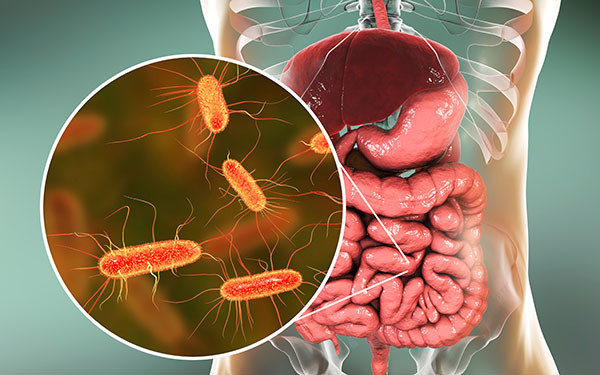
In recent years, the understanding of gut health has evolved significantly, revealing the dynamic role of the trillions of microorganisms residing in our digestive systems. This intricate ecosystem is not merely a passive environment; it actively influences our health. Two key players in this ecosystem are prebiotics and probiotics, terms that have gained traction in both scientific circles and popular culture. Understanding their distinct roles and benefits is essential for anyone looking to improve their health through dietary choices.
Historically, the manipulation of gut bacteria for health benefits is not a new concept. Ancient civilizations recognized the value of fermented foods like kimchi, sauerkraut, and yogurt, which were not only used for preservation but also believed to offer health advantages. The modern scientific journey began with Élie Metchnikoff, who associated fermented milk with longevity. Over the past century, research has expanded significantly, particularly with advancements in genomic sequencing that have mapped the human microbiome and its connections to various aspects of health, including immunity and mental well-being.
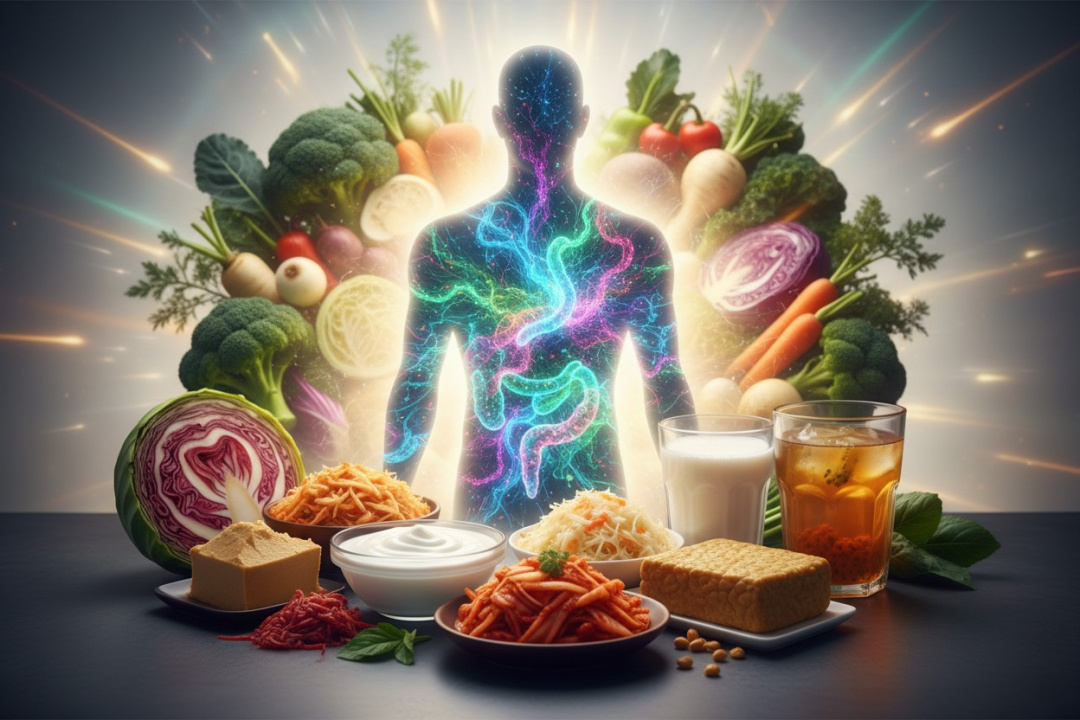
Researchers agree that a fundamental step for maintaining healthy gut flora is the consumption of foods rich in prebiotics. These non-digestible fibers, including soluble fiber, insoluble fiber, and resistant starches, pass through the digestive system intact and serve as fuel for beneficial gut bacteria. The fermentation of these fibers results in the production of short-chain fatty acids, which nourish colon cells, reduce inflammation, and promote overall health.
Prebiotics are found in many fibrous plants such as garlic, onions, leeks, asparagus, bananas, and oats. Their primary role is not to introduce new microbes into the gut but to support the growth of existing beneficial bacteria, fostering a diverse and resilient microbial community. Ensuring an adequate intake of prebiotics is crucial for maintaining gut health.
On the other hand, probiotics are live microorganisms that confer health benefits when consumed in sufficient quantities. They act as reinforcements for the native gut bacteria, helping to strengthen the gut's mucosal barrier and preventing harmful pathogens from entering the bloodstream, which can lead to systemic inflammation.
Clinical studies have shown that probiotics can be beneficial for specific conditions, such as antibiotic-associated diarrhea and symptoms of irritable bowel syndrome (IBS). These beneficial microbes are naturally present in fermented foods labeled with 'live and active cultures,' such as yogurt, kefir, and kimchi. While they are not a cure-all, probiotics can offer significant health benefits when used appropriately and in conjunction with a balanced diet.
The true power of prebiotics and probiotics is realized when they work together. A diet rich in prebiotic fibers provides the necessary resources for probiotic microbes to thrive. This partnership extends benefits beyond gut health, enhancing immune function, improving mineral absorption, and reducing systemic inflammation, which is linked to various chronic diseases. Emerging research is also investigating the gut-brain axis, exploring how a healthy microbiome can influence mood and cognitive function.
However, the booming supplement industry presents challenges. The U.S. FDA regulates dietary supplements like probiotics under less stringent standards than pharmaceuticals, leading to variability in claims, potency, and purity. There have been documented cases of probiotic supplements causing serious infections in vulnerable populations, highlighting the need for caution.
Thus, adopting a 'food-first' approach is the most prudent strategy. Building meals around a variety of fiber-rich plants and incorporating fermented foods ensures a natural intake of prebiotics and probiotics. Supplements should not be viewed as a substitute for a healthy diet but rather as a targeted addition for specific health concerns, ideally under professional guidance.
As emphasized by health experts, gut health is about maintaining a balanced and efficient digestive system. A healthy gut not only aids in food breakdown and nutrient absorption but also supports a robust immune system. The journey into gut health underscores a fundamental truth: optimal health relies on cultivating a diverse and balanced microbiome through informed dietary choices. By prioritizing a diverse, whole-foods diet rich in prebiotic fibers and incorporating probiotic foods, individuals can take proactive steps toward enhancing their well-being and fostering a resilient gut ecosystem.