Clinical Trials Show Dark Chocolate May Improve Liver Health Markers
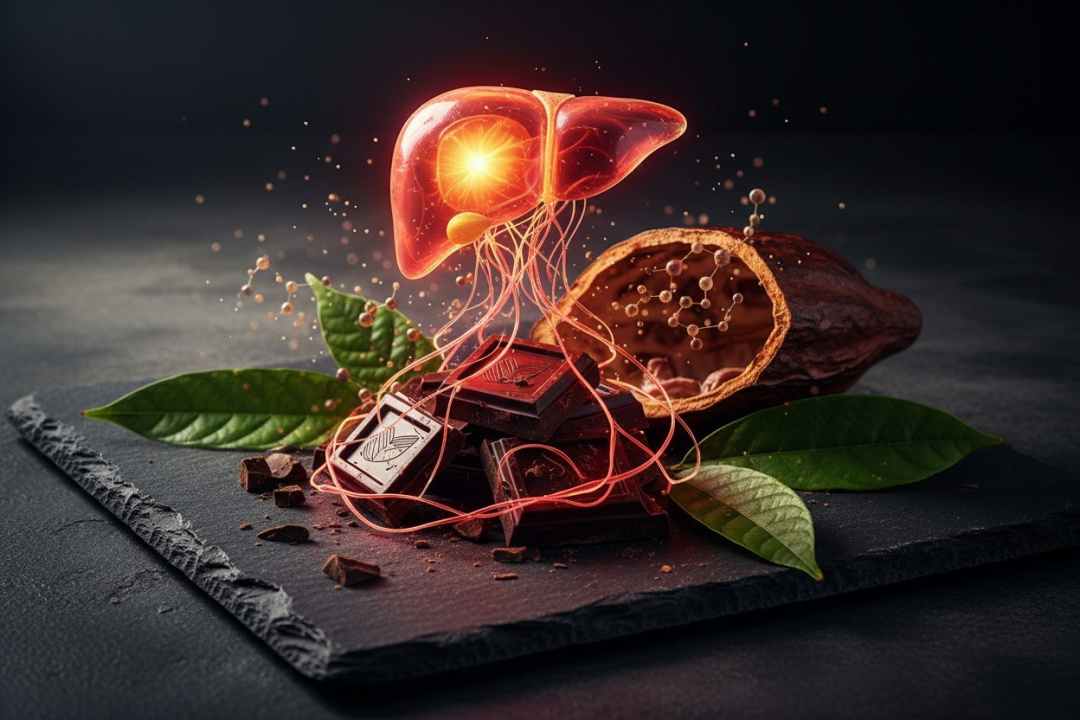
A recent review published in the journal Nutrients has highlighted the potential benefits of dark chocolate, particularly varieties with cocoa content exceeding 85%, in improving liver health markers. The review synthesized findings from more than 20 clinical trials, indicating that such dark chocolate may reduce markers of liver cell death, oxidative stress, and inflammation in patients suffering from liver disease. One of the trials included in the review involved patients with steatohepatitis who consumed dark chocolate for two weeks. Results showed a significant reduction in hepatocyte apoptosis, a key indicator of liver cell death, alongside decreased oxidative stress in the group that consumed dark chocolate compared to those who received milk chocolate. Another crossover trial noted a reduction in endotoxemia, which refers to the presence of bacterial toxins in the bloodstream, suggesting that dark chocolate may help mitigate gut-derived inflammation. Additionally, a controlled trial involving healthy adults who consumed 30 grams of dark chocolate daily for four weeks reported decreases in LDL cholesterol, triglycerides, and total cholesterol levels. The reviewers acknowledged that while the trials were generally small, with most having fewer than 40 participants, the consistency of results across studies was noteworthy. They pointed out that broader research on cocoa has linked its consumption to decreased blood pressure, improved cholesterol levels, and enhanced vascular function. The review also documented improvements in flow-mediated dilation, a measure of blood vessel function, across multiple trials involving adults with and without existing heart conditions. Notably, the effects of dark chocolate were attributed to flavanols, plant compounds concentrated in cocoa that enhance nitric oxide availability and reduce inflammation within blood vessel walls. This mechanism is believed to promote better blood flow to various organs, including the heart. The article emphasizes the importance of selecting organic chocolate with a cocoa content of at least 70%, ideally closer to 85%, and advises consumers to check labels for cocoa percentages rather than relying solely on the term 'dark chocolate.' It also warns that the flavanol content diminishes significantly with the addition of sugar and milk solids. The review suggests that a daily intake of about 30 grams, roughly equivalent to a standard chocolate bar, is beneficial, and emphasizes that consistency over time is more important than consuming a large amount at once. While the findings are promising, the review cautions that dark chocolate should not be viewed as a standalone solution for liver health. Instead, it should be part of a comprehensive approach that includes a balanced diet and regular physical activity. Furthermore, consumers should be aware of potential contaminants, as testing has shown that some chocolate products may contain harmful levels of lead and cadmium. The article concludes by noting that fatty liver disease can progress without obvious symptoms and that early detection is crucial, recommending further exploration of food-based strategies to support liver health. The review's conclusions are based on small-scale trials, and while the results are encouraging, they underscore the need for further research to validate these findings and understand the broader implications for liver health and metabolic function.