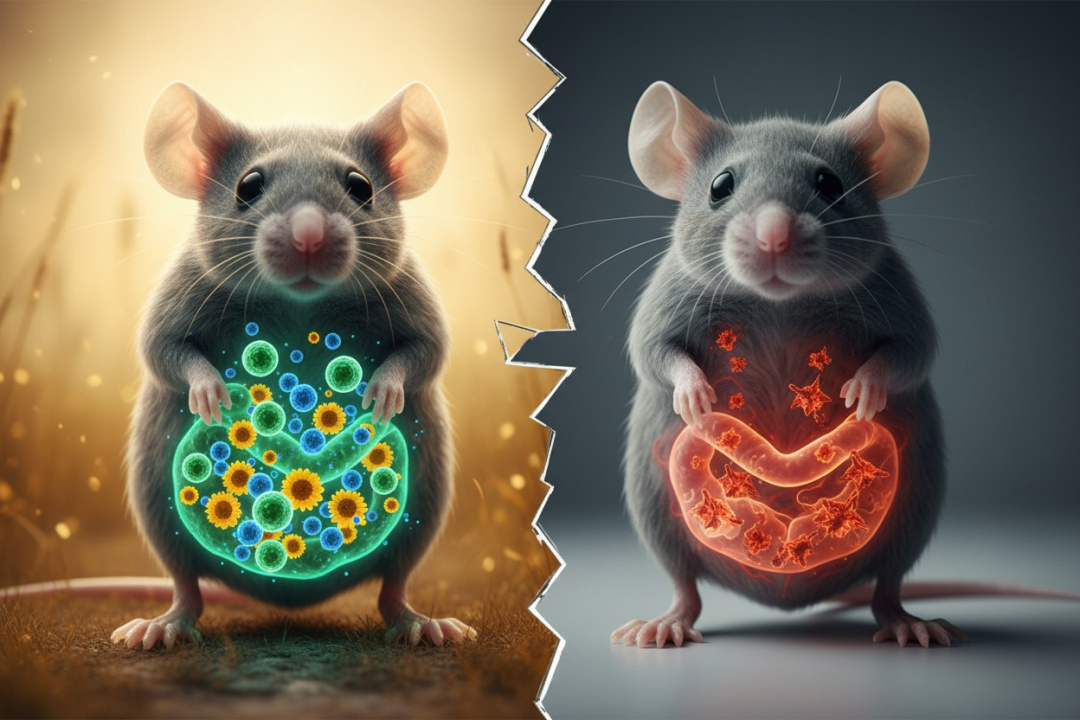
Study Reveals Gut Microbiome Dysbiosis in Hemodialysis Patients
A recent study published in PLOS One has explored the complex interplay between the gut microbiome and metabolome in patients undergoing hemodialysis (HD). This research is particularly significant as it sheds light on the dysbiosis—an imbalance in the gut microbiota—often observed in individuals with chronic kidney disease (CKD). The study involved a comparative analysis of 192 participants, consisting of 96 pairs of HD patients and healthy controls (HC), all matched for dietary and living conditions.
The researchers employed advanced multi-omics techniques, including 16S ribosomal RNA gene sequencing and ultra-high-performance liquid chromatography coupled with high-resolution mass spectrometry (UPLC-HRMS), to analyze the gut microbiota composition and fecal metabolomes. Their findings revealed notable differences in the gut microbiota between the two groups, highlighting specific genera such as Ruminococcus and Bifidobacterium that were significantly altered in the HD group.
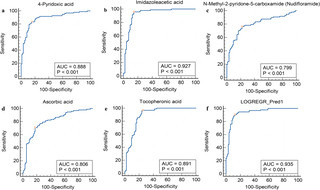
In terms of metabolic profiles, the study identified 497 metabolites that were significantly different between HD patients and healthy controls, with alterations primarily linked to amino acid, vitamin, lipid, purine, and pyrimidine metabolisms. Notably, the research pinpointed potential diagnostic biomarkers, including 4-pyridoxic acid and ascorbic acid, which exhibited high area under the curve (AUC) values in receiver operating characteristic (ROC) analysis, suggesting their utility in clinical settings.
The integrated multi-omics analysis further illustrated correlations between specific microbial species and metabolites, indicating shared functional pathways involved in bile secretion, caffeine metabolism, and vitamin B6 metabolism. These findings underscore the intricate relationship between gut health and metabolic processes in hemodialysis patients, suggesting that the microbiome could play a crucial role in their overall health status.
The study emphasizes the need for further research to validate these findings and explore the potential therapeutic implications of targeting the gut microbiome in managing health outcomes for patients undergoing hemodialysis. Given the high prevalence of malnutrition and inflammation in this population, understanding these interactions may provide new avenues for improving patient care and outcomes in chronic kidney disease.