Effects of Smoking Cessation on Lung Lesions in Mice: Immune Response Study
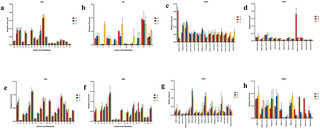
A study published in PLOS One explores the regulatory effects of smoking cessation on precancerous lesions in the lungs of mice, focusing on the underlying mechanisms that may influence lung cancer progression. Smoking cessation is known to decrease lung cancer progression; however, its effects on precancerous lesions and the associated cellular microenvironment remain unclear. To investigate this, researchers established a mouse model of precancerous pulmonary nodules induced by benzo[a]pyrene (B[a]P) and employed single-cell RNA sequencing (scRNA-seq) alongside immune repertoire sequencing (IR-seq).
The study began with the establishment of a B[a]P-induced mouse model after six weeks of exposure. Following this, the researchers implemented graded B[a]P withdrawal for four and eight weeks to assess the effects of smoking cessation on existing lung nodules. The results indicated that B[a]P withdrawal not only reduced the formation of new lung nodules but also decreased the size and volume of existing nodules. Furthermore, the cessation of B[a]P exposure alleviated cellular atypia and inflammation, while modifying the tumor microenvironment by increasing the presence of T-, B-, and NK cells, and decreasing monocytes and neutrophils.
At the molecular level, B[a]P withdrawal was found to downregulate several genes associated with tumor progression, such as Vim and CD44, while upregulating protective genes like Hsph1 and Hsp90aa. The study also identified the APP-CD74 pathway as a novel regulator in the development of precancerous lesions. Notably, the immune repertoire analysis revealed restored diversity in T- and B-cell receptors, indicating enhanced immune surveillance following smoking cessation.
These findings suggest that smoking cessation may play a critical role in reducing lung cancer risk by modulating immune responses and altering gene expression pathways. The study emphasizes the importance of understanding how smoking cessation impacts the cellular and molecular characteristics of precancerous lesions, which could inform future strategies aimed at reducing the risk of progression to invasive lung cancer.
The research was conducted by a team from the Fourth Affiliated Hospital of Harbin Medical University and was published on August 13, 2026. It highlights the need for further investigation into the mechanisms by which smoking cessation influences lung health and cancer prevention.














