Study Links Diabetes Mellitus to Increased Risk of Temporomandibular Disorder
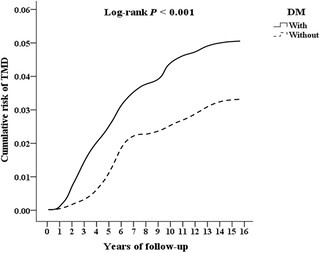
A comprehensive study published in PLOS One examined the relationship between diabetes mellitus (DM) and temporomandibular disorder (TMD) using data from Taiwan’s Longitudinal Generation Tracking Database. This large-scale study included a cohort of 201,465 individuals newly diagnosed with diabetes and 805,860 matched controls without diabetes, observed from 2000 to 2015. The researchers aimed to identify the risk factors associated with the onset of TMD among these populations. Using Cox proportional hazards regression analysis, the study found that individuals with DM had a significantly increased likelihood of developing TMD, with an adjusted hazard ratio of 2.543 (p < 0.001). Furthermore, those with DM who also suffered from rheumatoid arthritis or ankylosing spondylitis faced an even greater risk, being 4.289 and 4.021 times more likely, respectively, to develop TMD compared to individuals without these comorbidities (p < 0.001).
Temporomandibular disorder encompasses various conditions that affect the temporomandibular joints and surrounding muscles, leading to pain and functional impairment. Symptoms often include facial pain, restricted jaw movement, and joint sounds. The prevalence of painful TMD is notably high among adults aged 20 to 49, with estimates around 36%. Chronic conditions like DM can exacerbate TMD symptoms due to systemic inflammatory processes and metabolic dysregulation.
Diabetes mellitus is characterized by persistent hyperglycemia, which can trigger inflammatory cascades that elevate pro-inflammatory cytokines, potentially accelerating joint degradation. The study's findings align with previous research suggesting a higher prevalence of TMD among DM patients, although most prior studies relied on smaller samples or cross-sectional data. This research is particularly significant as it utilizes a longitudinal cohort, providing insights into the temporal relationship between DM and TMD.
The data was sourced from Taiwan’s National Health Insurance program, which covers over 23 million individuals. The study adhered to ethical guidelines and received approval from the Institutional Review Board of Tri-Service General Hospital. Participants were classified as having DM based on specific diagnostic codes, ensuring a robust methodology. The control group was matched based on age and sex, and TMD diagnoses were tracked until the end of 2015.
The study's results underscore the importance of monitoring TMD symptoms in patients with diabetes, especially those with additional autoimmune disorders. By identifying these risk factors, healthcare providers can better address the needs of patients with DM, ultimately aiming to improve their quality of life. The findings contribute to the growing body of evidence linking systemic health conditions with oral health issues, highlighting the need for integrated healthcare approaches that consider both metabolic and dental health.