Study Reveals Genetic Resistance to Bacterial Wilt in Heat-Stressed Tomatoes
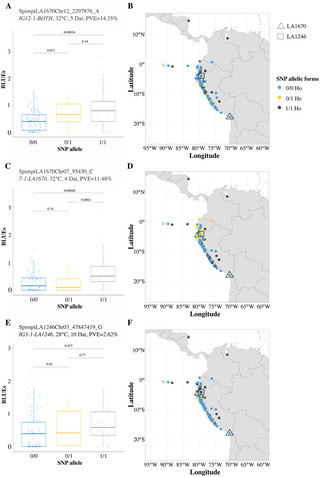
Climate change continues to present unprecedented challenges for agriculture, particularly through rising temperatures and extreme environmental conditions that exacerbate plant diseases. A recent study published in PLOS Genetics explores how these factors affect the resistance of wild tomato plants to bacterial wilt, caused by the Ralstonia solanacearum species complex. This research is crucial as it sheds light on the genetic mechanisms that underlie plant-pathogen interactions in the context of climate change. The study involved a panel of 189 wild tomato accessions, primarily Solanum pimpinellifolium, which were selected for their genetic diversity across different ecological conditions. The researchers monitored disease progression after inoculating the plants with Ralstonia pseudosolanacearum at two temperatures—28°C and 32°C—over a period of ten days. Through Genome-Wide Association (GWA) analyses, they identified 44 candidate genes associated with resistance to bacterial wilt. Notably, the study found that the genetic determinants of resistance varied significantly between the two temperature conditions, indicating a complex and dynamic response to environmental stressors. Many of the identified candidate genes are expressed in the roots, where the infection occurs, and are linked to plant immunity. This finding underscores the importance of understanding the genetic basis of plant resistance, especially as climate conditions continue to change. The researchers concluded that the resistance mechanisms in wild tomatoes are flexible and dependent on environmental factors, suggesting that previously identified resistance genes may not remain effective under rising temperatures. This highlights the necessity for ongoing research to identify and characterize new sources of resistance that can withstand the challenges posed by climate change. The implications of this study extend beyond tomatoes, as it emphasizes the need for resilient crop varieties in the face of global climate shifts, ultimately contributing to food security and sustainable agriculture.














