Natural Sugars May Have Played a Key Role in Early Human Brain Evolution
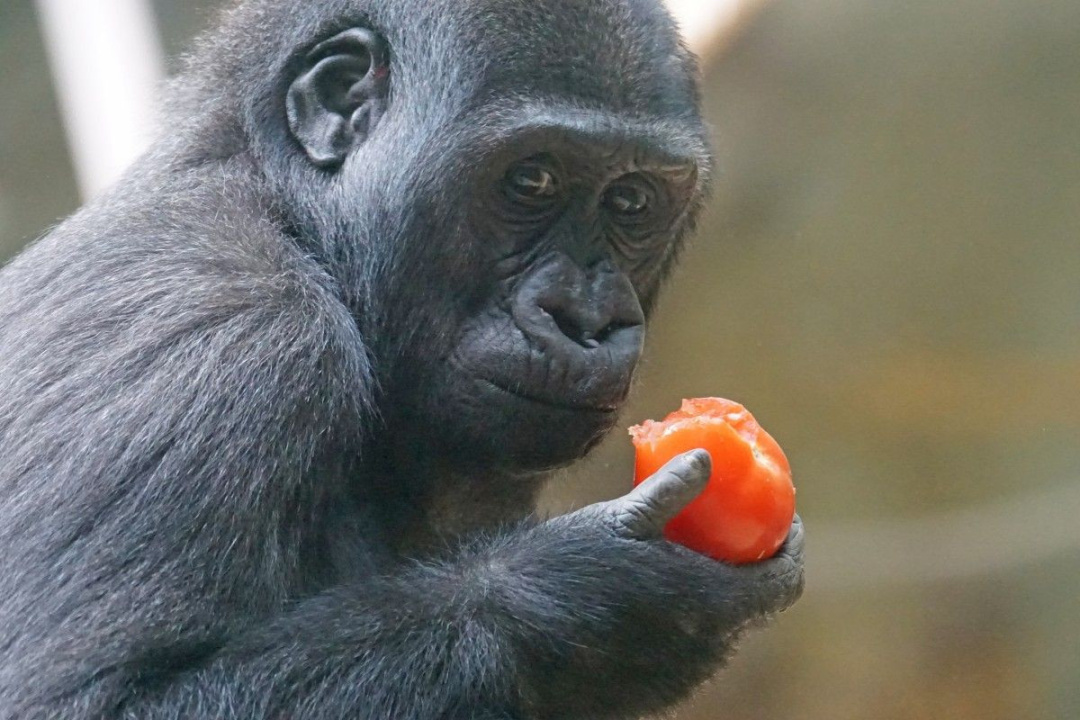
Long before the advent of modern sweet treats, early humans likely had a preference for sugary foods. According to a study published in the journal Science, our ancestors may have sought out honey and ripe fruits, which provided essential sugars that helped support the energy demands of their developing brains. This research, reported on August 6, emphasizes the significance of sweetness in human evolution and may shed light on contemporary cravings for sugar. Study co-author Jennie Brand-Miller, a human nutrition scientist at the University of Sydney, notes that sweetness is crucial for humans and should be satisfied regularly. The human brain, although only 2 percent of body weight, consumes about 20 percent of the body's energy at rest, with even higher demands during childhood when it can use up to 66 percent of total energy. Early hominins may have struggled to meet these energy needs, especially since their diets were primarily based on animal products, which are low in carbohydrates. The researchers examined four million years of hominin diets, estimating that early species may have derived over 65 percent of their energy from naturally occurring sugars before the introduction of cooking, which made starchy foods more digestible. This finding does not diminish the importance of animal-based foods in human evolution but rather highlights the previously underappreciated role of sugars. Paleoanthropologist Marina Lozano, who was not involved in the study, supports the idea that both animal protein and plant-derived glucose were crucial for brain development. However, the study's conclusions about the timing of cooking practices remain debated among experts, as some argue that significant brain growth occurred before the evidence of cooking is established. The findings underscore the complexity of our dietary evolution and the interplay between different food sources in shaping human development.