Study Finds High Prevalence of Adverse Reactions in Antipsychotic Patients in Uganda
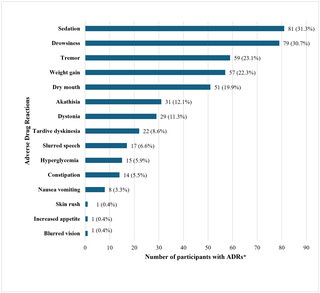
A recent study conducted at Mbarara Regional Referral Hospital (MRRH) in Uganda has revealed significant findings regarding adverse drug reactions (ADRs) among patients taking antipsychotic medications. The research aimed to investigate the prevalence, severity, and associated factors of ADRs in this population, highlighting the critical need for enhanced monitoring and management strategies. The study included 415 participants, all of whom were aged 18 years or older, diagnosed with a psychotic disorder, and had been on antipsychotic treatment for at least one month. The findings, published in PLoS One, indicated that 61.7% of the participants experienced at least one ADR, with sedation being the most frequently reported reaction at 31.3%. The severity of these ADRs was assessed using the modified Hartwig and Siegel scale, revealing that 80% of the reported reactions were classified as moderate. Notably, the study identified several factors significantly associated with the occurrence of ADRs, including separation from spouses, a diagnosis of bipolar disorder, and the concurrent use of both intramuscular and oral antipsychotics. These findings underscore the importance of addressing the unique challenges faced by patients in this demographic, particularly given the high prevalence of psychotic disorders in Uganda. The study's authors advocate for the integration of clinical pharmacists into psychiatric care teams to improve ADR detection and management, thereby enhancing patient safety and treatment outcomes. The implications of this research are particularly relevant as the MRRH psychiatric clinic serves a large population, treating approximately 100 patients weekly and over 1,200 new patients annually. This study fills a crucial gap in the existing literature by focusing specifically on ADRs related to antipsychotics in outpatient settings, an area that has been underexplored in Uganda. Overall, the research highlights the pressing need for targeted monitoring protocols and clinical strategies to mitigate the risks associated with antipsychotic medications, ultimately aiming to improve the quality of care for patients with psychotic disorders in the region.