Evaluating Fiscal Policies to Address Malnutrition in Peru: A System Dynamics Study
Peru is grappling with a significant double burden of malnutrition, characterized by the simultaneous prevalence of overnutrition and undernutrition. Despite the implementation of various fiscal policies aimed at improving nutrition, these measures have largely been designed in isolation, limiting their effectiveness. A recent study conducted by Nora Escher and colleagues investigates the potential benefits of retrofitting unhealthy food and beverage taxation to allocate revenues towards welfare transfers and subsidies for fruits and vegetables. This approach aims to create a synergistic effect on both overweight and stunting rates in the country.
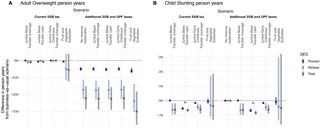
The study employs a system dynamics model to simulate the effects of different fiscal policy scenarios on malnutrition outcomes among children and adults of reproductive age. By utilizing secondary data sources and published effect estimates, the researchers modeled several scenarios based on the World Health Organization's recommendations and Peru's existing policy framework. The findings suggest that implementing additional taxes on unhealthy foods and beverages could significantly reduce the prevalence of overweight, particularly among wealthier populations. Specifically, it is estimated that such measures could decrease cumulative person-years lived with adult overweight by approximately 58.6 million between 2024 and 2040.
Moreover, the study indicates that reinvesting tax revenues into existing conditional cash transfer programs could lead to a reduction of up to 876,000 cumulative person-years lived with child stunting by 2040, with a substantial portion of these benefits accruing to the poorest segments of the population. However, the study acknowledges that its conclusions are based on several assumptions regarding policy impacts and responses, and it does not include a cost-effectiveness analysis due to the exclusion of older age groups.
The authors highlight that while Peru has made strides in addressing malnutrition, the current separation of responsibilities across government departments has hindered the development of integrated policies that could effectively tackle both forms of malnutrition. The Juntos cash transfer program, initiated in 2005, has been instrumental in reducing stunting rates, while the tiered sugar-sweetened beverage tax introduced in 2018 aims to combat rising obesity rates. However, the lack of earmarking for specific health or nutrition programs limits the potential impact of these fiscal measures.
The study underscores the importance of retrofitting existing interventions to create double-duty actions that address both overnutrition and undernutrition. By reallocating revenue from unhealthy food taxes to support targeted welfare programs, Peru could significantly improve its nutrition landscape and work towards achieving the United Nations’ Sustainable Development Goals related to health and nutrition. This research contributes to the growing body of evidence advocating for integrated fiscal policies that address the complexities of malnutrition in low- and middle-income countries.